
Tired of replacing shredded pee pads every few hours? If your puppy keeps dragging training pads across the floor or your small dog kicks litter into the pad holder, you’re not alone. A properly constructed DIY pee pad holder solves these frustrations by keeping pads securely in place while protecting your floors from accidents. Learning how to make a pee pad holder transforms messy cleanup into a simple task that saves you time, money, and frustration during potty training.
Most commercial holders cost $45-65 but slide around when your pet uses them, causing pads to bunch up and leak. The right homemade version costs half as much and stays firmly in place thanks to clever anti-slip features and perfect sizing. Whether you’re a beginner woodworker or seasoned DIYer, this guide shows you exactly how to build a custom pee pad holder that matches your space and withstands daily use. You’ll discover the best materials for pet safety, precise measurements for standard pads, and professional construction techniques that prevent sliding and tearing.
Build a Sturdy Frame That Won’t Collapse Under Your Dog
Choose Pet-Safe Wood That Resists Moisture Damage
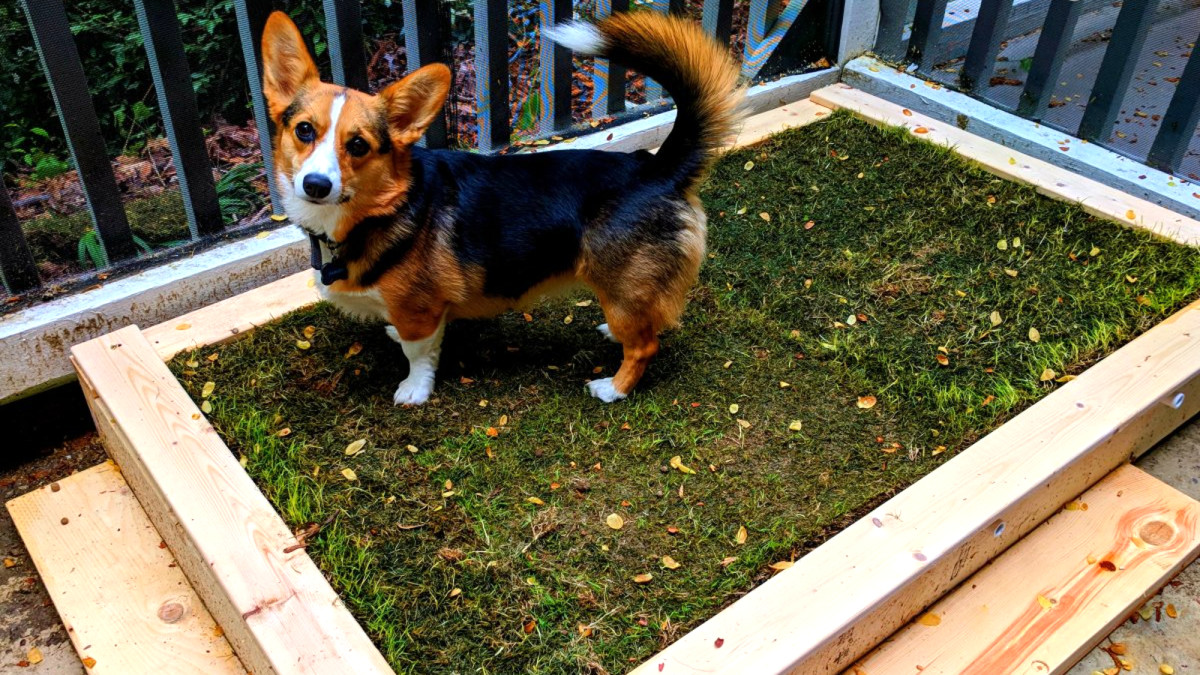
The foundation of your pee pad holder starts with selecting the right wood. ¾-inch pine boards offer the best balance of affordability and durability for indoor use—they’re easy to cut, naturally resist moisture, and won’t splinter when your dog steps on the edges. Cedar planks provide superior odor control with natural antibacterial properties, making them ideal for multi-dog households despite the slightly higher cost. For budget-conscious builders, waterproof MDF delivers a smooth finish that accepts paint well but requires careful sealing at all edges. Crucially, avoid pressure-treated lumber as it contains chemicals that can transfer to your pet’s paws.
Cut Perfectly Fitted Pieces for Your Pad Size
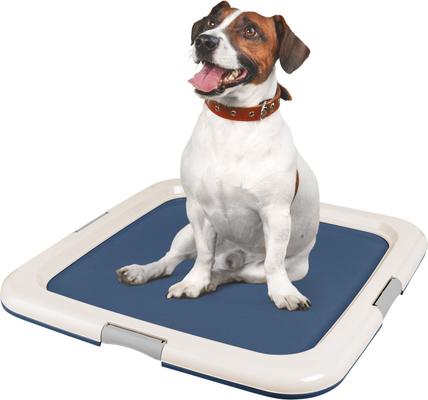
Standard pee pads come in three common sizes: small (22″ × 22″), medium (24″ × 24″), and large (36″ × 36″). Build your holder exactly 1 inch larger than your pad to prevent leaks while allowing easy access. For a medium pad holder, cut these pieces:
- 4 frame sides at 25″ long (top layer)
- 4 frame sides at 23½” long (bottom layer)
- 1 base panel at 25″ × 25″
- 4 corner blocks at 2″ × 2″ (optional for extra stability)
Pro tip: Cut your longest pieces first to maximize lumber usage. Sand all edges with 120-grit paper before assembly to prevent splinters.
Assemble With Reinforced Corners That Won’t Wobble
Create a rock-solid frame by joining your top pieces with wood glue and 1¼-inch galvanized screws at each corner—these moisture-resistant fasteners prevent rust from pet accidents. Build a second, slightly smaller frame from your 23½” pieces to form the bottom support layer. Center your base panel between these two frames, leaving a ¾-inch reveal around the edges to create a lip that catches spills. For large holders (36″+), add a cross-brace underneath to prevent sagging when your dog steps on the edge.
Install Anti-Slip Features That Actually Work on Hard Floors
Apply Strategic Rubber Grips That Won’t Damage Surfaces
Rubber shelf liner cut into 1-inch squares provides the most reliable grip without scratching hardwood. Space six to eight squares evenly across the bottom of your holder—concentrate them near the corners where sliding typically starts. Self-adhesive silicone dots offer another effective solution; place twelve dots in a grid pattern for maximum traction. Both options remain effective when wet and can be replaced when worn.
Add Hidden Weight Without Making It Immobile
For stubborn sliding issues, incorporate discreet weight into your design. Glue stainless steel washers inside each corner of the bottom frame—they add stability without making the holder too heavy to move. Alternatively, fill the hollow frame space with clean sand before sealing the bottom panel (use a funnel for precise pouring). If you need to move the holder frequently, install removable weight blocks that slide in and out of slots cut into the base.
Seal and Finish for Long-Term Protection Against Accidents

Apply Multiple Coats of Pet-Safe Waterproofing
After assembly, sand your holder thoroughly with 120-grit paper, then finish with 220-grit for a smooth surface. Apply two to three coats of water-based polyurethane, focusing extra attention on corners and joints where liquids penetrate most easily. Allow 24 hours between coats and a full 48 hours for complete curing before first use—rushing this step risks your pet inhaling fumes or transferring uncured finish to their paws.
Select Colors That Hide Stains While Matching Your Decor
Choose finishes strategically based on your household needs. Natural wood with clear coat showcases attractive grain patterns but shows stains easily. Dark walnut stain effectively hides discoloration from repeated use while maintaining a natural look. For maximum customization, use non-toxic, pet-safe paint in neutral colors that complement your home decor—eggshell finishes hide imperfections better than high-gloss options. Avoid dark colors if you have light-colored pets whose fur might stick to the surface.
Create Quick-Change Features for Hassle-Free Pad Replacement
Build a Removable Grid That Secures Pads in Place
Construct a simple grate from ½-inch dowels spaced 1 inch apart to keep pads flat and prevent dogs from digging them up. Frame the dowels with 1×2 wood strips, leaving a ¼-inch gap around the edges for easy insertion into your holder. When it’s time to change pads, simply lift out the entire grate with the soiled pad still secured beneath it—no more wrestling with shredded paper stuck to the bottom.
Install a Flip-Up Side for Effortless Access
Add small cabinet hinges to one frame side and a magnetic catch to create a flip-up access panel. This design allows you to change pads without lifting your dog’s entire holder—particularly helpful for larger dogs or heavy holders. Position the hinges so the panel opens away from your dog’s approach direction for natural use. The slight gap created by the hinge thickness actually helps contain liquids while providing instant access.
Troubleshoot Common Construction Problems Before They Happen
Fix Frame Warping During Assembly
If your corners don’t meet evenly during assembly, your frame will wobble on flat surfaces. Prevent this by checking squareness at every stage with a carpenter’s square—clamp pieces in position before screwing. If warping occurs after assembly, add triangular corner blocks or install a cross-brace underneath large holders. Using kiln-dried lumber reduces the risk of warping as the wood acclimates to your home environment.
Stop Pads From Slipping Under Your Dog’s Paws
When pads bunch up or get pulled out during use, it’s usually because the lip isn’t high enough or lacks retention features. Ensure your frame creates at least a 1½-inch lip (using ¾-inch boards stacked) to prevent pads from sliding. For persistent issues, add small corner clips made from bent wire or install the grid system mentioned earlier. Rounded interior corners also help—use a router or sanding block to slightly round the inside edges so pads sit flush against the frame.
Save 60% Compared to Store-Bought Holders With Smart Material Choices
Build a Medium Holder For Under $25
A professional-quality 25″ × 25″ holder costs just $20-27 in materials versus $45-65 for commercial versions. Break down your budget like this: pine boards ($12-15), galvanized screws and waterproof glue ($5), non-toxic sealant ($5-7), and rubber grip pads ($3). You’ll save even more by using scrap wood from other projects or buying pre-cut boards to avoid cutting fees at the hardware store.
Make It Portable for Travel or Multiple Locations
Create a lightweight version for travel using PVC pipe instead of wood. Cut four 25½” sections of ¾-inch schedule 40 pipe and connect them with elbow fittings. Line the bottom with waterproof nylon fabric secured by pipe straps. This version folds flat for storage and weighs less than two pounds while still providing the necessary containment for standard pads.
A well-constructed DIY pee pad holder solves the most frustrating aspects of potty training by keeping pads securely in place and protecting your floors from damage. By building your own, you customize the size, appearance, and features to match your specific needs while saving significant money compared to commercial options. Start with the basic pine frame design for under $25, then add anti-slip features and quick-change mechanisms as you identify what works best for your pet.
The right holder should stay firmly in place even when your dog steps on the edge, contain accidents without leaking, and allow pad changes in seconds—not minutes. Within a single weekend project, you’ll create a solution that lasts through multiple potty training cycles and adapts as your puppy grows. Most importantly, your consistent potty area teaches your dog exactly where to go, shortening training time and reducing household accidents.