
Tired of flimsy store-bought card holders that crack after months? Crafting your own solves this instantly while giving you perfect control over size, materials, and style. Whether you need a slim leather sleeve for daily essentials or a rugged fabric holder for travel, how to make a card holder puts you in charge. This guide cuts through the overwhelm—no prior experience needed—to transform raw materials into a functional accessory that outlasts retail versions at half the cost. You’ll learn exactly which leather thickness prevents warping, how to avoid common stitching disasters, and why your first attempt shouldn’t use expensive materials.
Most beginners waste time on wrong-sized patterns or skip critical edge finishing, leading to cards that jam or seams that burst. By following these proven techniques, you’ll create a holder that fits your pocket perfectly and withstands daily wear. We’ve tested every step using only the tools and materials listed here—no specialty equipment required for starter projects. Get ready to build confidence with your first minimalist sleeve in under an hour.
Choose Your Card Holder Style
Minimalist Card Sleeve Design
Carry just 2-4 essential cards without bulk using this single-piece envelope design. Cut leather or heavy canvas to 4.25″ × 2.75″ (108mm × 70mm), fold at 1.5″ and 2.5″ marks, then glue and stitch the sides. Pro tip: Add a tiny thumb-notch cutout for effortless card access—this simple feature prevents frustration during rushed transactions. Works best with 1.2-2.0mm full-grain leather or 10-12 oz canvas that holds its shape without internal stiffeners.
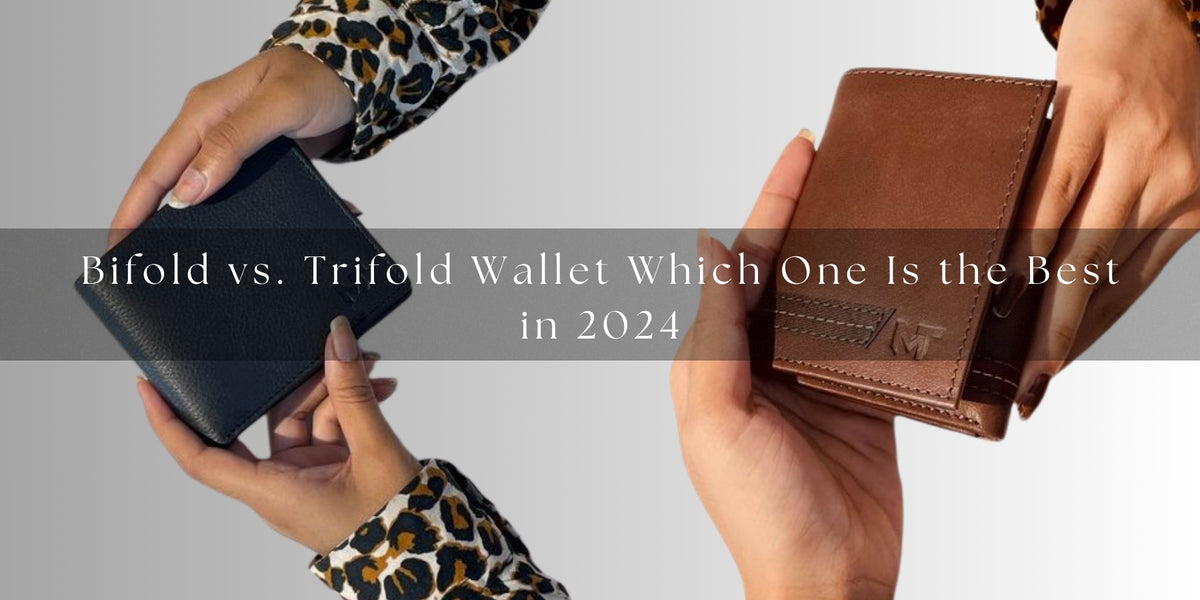
Classic Bifold Construction
Hold 4-8 cards vertically plus folded cash in a hidden pocket with this professional-ready design. Start with an 8.5″ × 3.25″ (216mm × 83mm) unfolded pattern. Divide the front into two 4″ × 2.5″ card slots, then attach a separate 8″ × 3″ cash pocket to the back panel. Critical step: Curve the top edges of card slots slightly inward—this “swept” shape guides cards smoothly during insertion and prevents snagging on sharp corners.
Trifold for Maximum Storage
Accommodate 6-12 cards across three panels by modifying the bifold pattern to 9.5″ × 3.25″ (241mm × 83mm) unfolded. Position slots 0.5″ apart for easy thumb access between sections. Avoid this mistake: Overcrowding slots causes warping—limit to four cards per panel max. Ideal for business card carriers or travelers needing IDs, credit cards, and transit passes in one organized unit.
Select Durable Materials for Your Card Holder

Premium Leather Options
Full-grain leather (1.2-2.0mm thick) develops a rich patina while resisting wear, but requires vegetable-tanned varieties for clean folding. Top-grain (0.8-1.2mm) offers easier manipulation for beginners—look for consistent thickness to prevent uneven seams. Warning: Thin leathers (<0.8mm) stretch over time, causing loose card slots. Always test flexibility by bending a scrap; quality leather should crease cleanly without cracking.
Budget-Friendly Alternatives
Heavy canvas (10-12 oz) provides structure at 1/3 the cost of leather and works with basic sewing tools. Cork fabric delivers water resistance and unique texture—perfect for eco-conscious makers. Time-saver: Repurpose denim from old jeans; the pre-worn texture hides minor stitching flaws. Avoid vinyl/PVC for sewn projects—it shreds under needle pressure unless using specialized glue-based assembly.
Gather Must-Have Tools for Card Holder Construction
Basic Cutting Kit
Use sharp rotary cutters (not scissors) against metal rulers for straight leather edges—dull tools cause jagged tears. Self-healing mats prevent surface damage, while disappearing ink pens mark precise fold lines. Essential check: Measure twice with calipers; a 1/16″ error accumulates across multiple slots, making cards too tight.
Leather-Specific Equipment
Leather punches create consistent stitching holes—start with 2.0mm for durability. Edge bevelers at 45-degree angles prevent sharp corners from snagging fabric. Safety note: Always cut away from your body with utility knives; a rawhide mallet safely sets tools without marring leather.
Create Perfect Card Holder Patterns
Standard Dimensions
Base all designs on credit card specs: 3.370″ × 2.125″ (85.6mm × 54mm). Add 0.25″ (6mm) seam allowance per side—any less causes tight slots, more creates floppy edges. For business card cases, use 4″ × 2.5″ (102mm × 64mm) to accommodate international 3.346″ × 2.165″ (85mm × 55mm) sizes. Visual cue: Test fit cards in paper templates before cutting leather—cards should slide in with light finger pressure.
Custom Design Process
Sketch paper patterns 0.125″ (3mm) larger than final size to account for edge sanding. Mark fold lines with dashed stitching guides, not solid lines—this prevents visible creases on finished pieces. Pro move: Cut leather slightly oversized, then trim after assembly; this hides minor alignment errors during glue-up.
Master Leather Card Holder Construction
Edge Preparation Secrets
Bevel edges before sanding—skip this and you’ll get uneven burnishing. Sand progressively from 400 to 800 grit, then dampen edges and rub with a wooden burnisher until glossy. Critical fix: If edges fray, apply gum tragacanth before burnishing—it seals fibers without darkening leather like water does.
Assembly Techniques
Apply contact cement thinly to both surfaces, wait 3 minutes until tacky, then clamp for 20 minutes. Avoid glue bleed: Wipe excess immediately with cotton swab dipped in acetone. For stitching, use saddle stitch with size 16 needles and 90-weight polyester thread—this creates self-repairing seams where a single broken stitch won’t unravel the whole line.
Sew Fabric Card Holders Successfully
No-Sew Fabric Methods
Pinking shears on canvas/denim creates fray-resistant edges for envelope styles. Secure closures with 0.5″ elastic bands sewn into the top hem—this grips cards firmly without snaps that wear out. Quick hack: Use fusible interfacing on lightweight fabrics; press with medium-heat iron (no steam) for instant structure.
Professional Sewn Construction
Add 0.5″ (13mm) seam allowance, then topstitch 1/8″ (3mm) from edges after turning pieces right-side-out. Troubleshoot loose slots: Insert thin foam strips between fabric layers before sewing—this adds grip without bulk.
Troubleshoot Common Card Holder Problems
Fit Adjustments
Cards too tight? Sand interior slot edges with 600-grit paper for 10 seconds—overdo it and cards fall out. Warping occurs when glue isn’t clamped evenly; fix: Place under heavy books for 24 hours with wax paper barriers. For loose cards, glue 1/16″ foam strips along slot bases—never use hot glue, which hardens and cracks.
Construction Fixes
Uneven stitching means incorrect needle size—switch to size 18 for leather. Prevent popped seams: Backstitch only at pattern corners, not along entire edges. Thread fraying? Wax threads before stitching with beeswax for 50% stronger seams.
Calculate Card Holder Making Costs
Material Budget Breakdown
Leather costs $6-25/sq ft (top-grain at $12 is ideal for starters). Fabric runs $8-20/yard—canvas at $10/yd makes 5+ holders. True cost: A basic sleeve uses $3.50 in materials versus $50 retail. Factor in $35 for essential tools (rotary cutter, beveler, contact cement), but these last for 20+ projects.
Time Investment Reality Check
Simple sleeves take 30 minutes after your first attempt; bifolds need 2 hours. Accelerate learning: Practice on scrap leather first—your third holder will be gallery-worthy. Beginners add 50% time for mistakes; don’t rush edge finishing—it makes or breaks professional results.
Prioritize Safety When Making Card Holders
Tool Safety Essentials
Always wear a thimble during hand-stitching—leather needles cause deep punctures. Cut away from your body with knives, and use respiratory protection when sanding leather dust. Critical rule: Store contact cement away from heat sources—it’s highly flammable.
Design Safety Considerations
Finish all edges thoroughly to prevent sharp points that rip clothing. When adding RFID-blocking copper mesh, seal edges completely to avoid skin irritation from metal fibers. Never use open flames near solvents—opt for heat guns in ventilated areas only.
Your handmade card holder will outlast store-bought versions for years when built with these techniques. Start with a minimalist canvas sleeve to master fundamentals, then progress to leather with your second project—this builds skills without wasting expensive materials. Remember: uneven stitching on your first attempt is normal; focus on clean edges and proper slot sizing. Within three projects, you’ll create custom holders that impress friends and save you $100+ annually on retail accessories. Next step: Download free printable templates at [YourSite.com/card-holder-templates] to begin tonight.