

Your wood block knife holder silently collects food particles, bacteria, and moisture every time you store a knife. Those dark slots harbor microscopic bits of raw chicken, vegetable fibers, and leftover moisture that create perfect breeding grounds for E. coli, Salmonella, and mold. Without proper cleaning, your trusted kitchen companion becomes a contamination risk—transferring harmful pathogens to your knives and ultimately your meals. This guide delivers the exact how to clean wood block knife holder process that eliminates hidden dangers while preserving your wood’s integrity.
Most home cooks overlook this critical maintenance task until they spot mold or smell sour odors. Yet restoring your knife block takes just a few hours with common household supplies. You’ll learn to diagnose contamination levels, remove stubborn debris from tight slots, sanitize safely without warping wood, and apply protective conditioning. By the end, you’ll have a hygienic storage solution that keeps knives sharp and food safe—extending your block’s life for years.
Spot Hidden Contamination Early
Identify Visual Warning Signs
Hold your knife block at eye level under bright light to inspect slot openings. Look for black or green fuzzy patches indicating active mold growth, dark stains from meat juices, or white crusty deposits from mineral buildup. Check the base for swelling or cracks—these reveal trapped moisture that compromises structural integrity. Any discoloration deeper than surface level requires immediate deep cleaning before bacteria spread further.
Detect Dangerous Odors
Bring the block close to your nose and take short, sharp sniffs. Healthy wood emits a neutral, slightly sweet scent. Sour, musty, or rancid odors signal bacterial growth within the wood fibers. Lingering garlic, onion, or fish smells mean food oils have penetrated deeply—these require targeted odor elimination. Never ignore persistent smells; they indicate contamination that regular wiping won’t resolve.
Check for Moisture Damage
Run fingers along slot edges and the block’s base. Damp wood feels cool and appears darker than surrounding areas. Slight swelling around slots shows water absorption that leads to cracking if untreated. If your block feels heavy or leaves damp rings on countertops, it’s saturated—immediate drying is critical to prevent irreversible warping.
Gather Proper Cleaning Supplies
Essential Natural Solutions
- White vinegar (5% acidity): Kills 99% of bacteria and dissolves mineral deposits without harsh chemicals
- Baking soda: Neutralizes odors and gently scrubs stains when made into paste
- 3% hydrogen peroxide: Sanitizes deep within wood pores without bleaching
- Food-grade mineral oil: Conditions wood to repel future moisture penetration
Critical Cleaning Tools
- Pipe cleaners: Flexible rods reach narrow slots without scratching
- Bottle brushes: Clean wider slots while preserving wood grain
- Microfiber cloths: Lift grime without leaving lint in crevices
- Compressed air: Dislodges debris from slot bottoms (use short bursts)
Safety Gear You Must Use
Always wear cut-resistant gloves when handling knives during cleaning. Use safety glasses with compressed air to prevent debris in eyes. Work in a ventilated area—vinegar fumes can irritate sinuses during prolonged exposure. Keep all knives stored securely away from your cleaning workspace.
Remove Deep-Embedded Debris
Initial Dry Cleaning Method
Remove all knives and turn the block upside down over a trash can. Tap the base firmly with your palm while rotating slowly—this dislodges loose crumbs, dried herbs, and metal shavings. Continue until no particles fall out. For stubborn buildup, insert a wooden skewer to gently loosen debris without gouging wood.
Compressed Air Technique
Hold the canister 2 inches from each slot opening. Use 3-second bursts of air while moving systematically through all compartments. The force pushes hidden particles out the bottom. Never hold the nozzle close—excessive pressure can force debris deeper. Repeat until slots appear visibly clear.
Deep Slot Brushing
Select pipe cleaners that fit snugly in each slot. Dip in warm water and twist gently while pushing through the full slot length. Rinse tools between slots to avoid cross-contaminating clean areas. For tight spaces, wrap microfiber cloth around a chopstick to wipe slot walls. This removes sticky residues that air alone can’t dislodge.
Sanitize Without Damaging Wood

Exterior Cleaning Protocol
Mix 2 drops unscented dish soap with 1 cup warm water. Dampen a microfiber cloth (never soaking wet) and wipe all external surfaces. Use a soft toothbrush for carved details. Rinse immediately with a clean damp cloth—soap left on wood dries into a sticky film that attracts more grime. Dry thoroughly with a towel.
Internal Slot Sanitization
Fill a spray bottle with equal parts white vinegar and water. Spray liberally into each slot until liquid flows out the bottom. Let sit 5 full minutes—this contact time kills bacteria and dissolves mineral deposits. Scrub slot interiors with vinegar-dipped pipe cleaners using a corkscrew motion. Flush with clean water using a small funnel.
Final Bacterial Elimination
Pour 3% hydrogen peroxide directly into each slot until full. Allow 10 minutes of dwell time for complete sanitization. This step eradicates mold spores and lingering bacteria without harsh fumes. Drain completely by inverting the block, then rinse slots with fresh water until peroxide odor disappears.
Dry Completely to Prevent Warping

Critical Drying Setup
Place the block upside down on a dry towel with slots facing downward. Position a fan 18 inches away blowing air through the slots. Change towels every 2 hours as they absorb moisture. Never use heat sources—hair dryers on high settings crack wood. This passive drying method takes 24-48 hours but prevents warping.
Accelerated Moisture Removal
For faster results, fill slots with uncooked rice overnight—the grains absorb hidden moisture. Alternatively, insert silica gel packets (from shoe boxes) deep into slots. Check after 12 hours and replace if damp. Never microwave or oven-dry wood blocks—extreme heat causes irreversible cracks.
Dryness Verification Test
After 24 hours, insert a dry pipe cleaner into each slot. If it emerges damp or cool to the touch, continue drying. Press your palm against the wood—any cool sensation indicates residual moisture. Complete dryness is non-negotiable; damp wood guarantees mold regrowth within days.
Eliminate Stubborn Odors and Mold
Mold Eradication Protocol
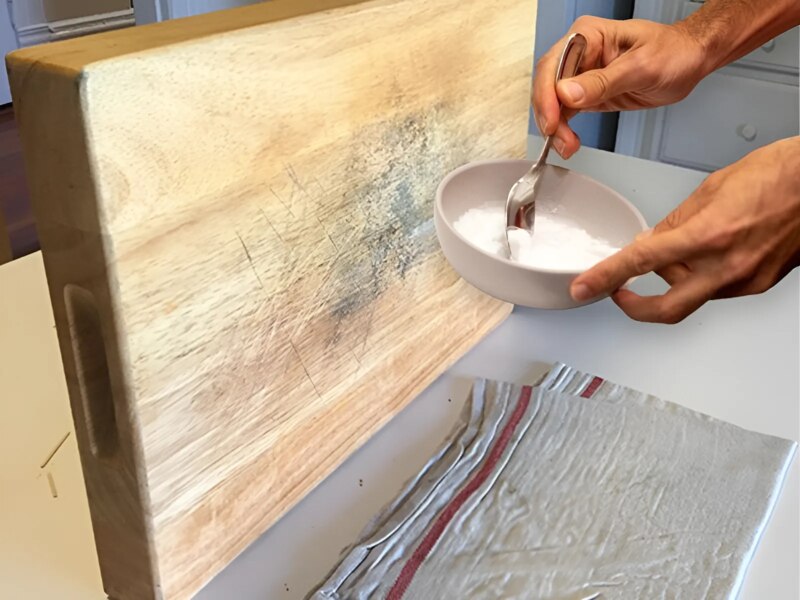
For visible mold, apply a paste of baking soda and vinegar directly to affected areas. Let bubble for 10 minutes, then scrub gently with a soft brush. Never use bleach—it damages wood fibers and leaves toxic residues. Wipe with hydrogen peroxide, then place the block in direct sunlight for 2 hours (UV light kills remaining spores).
Odor Neutralizing Techniques
Fill slots with dry coffee grounds overnight—caffeine binds to odor molecules. For persistent smells, place activated charcoal briquettes (without lighter fluid) inside slots for 48 hours. Sprinkle baking soda over the entire block, vacuum thoroughly after 24 hours. Avoid scented oils—they mask but don’t eliminate bacteria.
Preventative Conditioning
Once bone-dry, apply food-grade mineral oil with a lint-free cloth. Work small amounts into slot openings using oiled pipe cleaners. Let absorb for 30 minutes, then buff excess with a dry cloth. This creates a moisture-repelling barrier that makes future cleaning easier.
Maintain Long-Term Hygiene
Daily Prevention Habits
Always wipe knives completely dry before storage—never insert wet blades. Remove visible debris from slot openings weekly with a dry microfiber cloth. Store the block away from sinks and stoves to avoid splash contamination. These 30-second habits prevent 80% of deep-cleaning needs.
Monthly Deep Cleaning Schedule
Set calendar reminders for quarterly deep cleans. For monthly maintenance, spray slot openings with vinegar solution, let sit 2 minutes, then wipe dry. Apply mineral oil conditioning every 3 months to maintain the protective barrier. Track cleaning dates in your phone notes—consistency is key.
When Replacement Is Necessary
Discard blocks with deep cracks that compromise knife stability, persistent mold after three cleaning attempts, or slots that no longer grip knives securely. Most quality blocks last 5-10 years with proper care—factor replacement costs ($30-$200) against potential foodborne illness risks from a contaminated block.
Your wood block knife holder now provides safe, hygienic storage that protects both your knives and your health. By following this how to clean wood block knife holder process quarterly, you’ll prevent bacterial growth, eliminate odors, and extend your block’s lifespan significantly. Remember: a few minutes of proactive maintenance beats hours of deep cleaning later. Keep mineral oil and vinegar in your cleaning caddy for quick monthly touch-ups—your future self will thank you when dinner prep stays safe and seamless. Start this simple routine today, and your kitchen will operate with the confidence that comes from truly clean tools.