
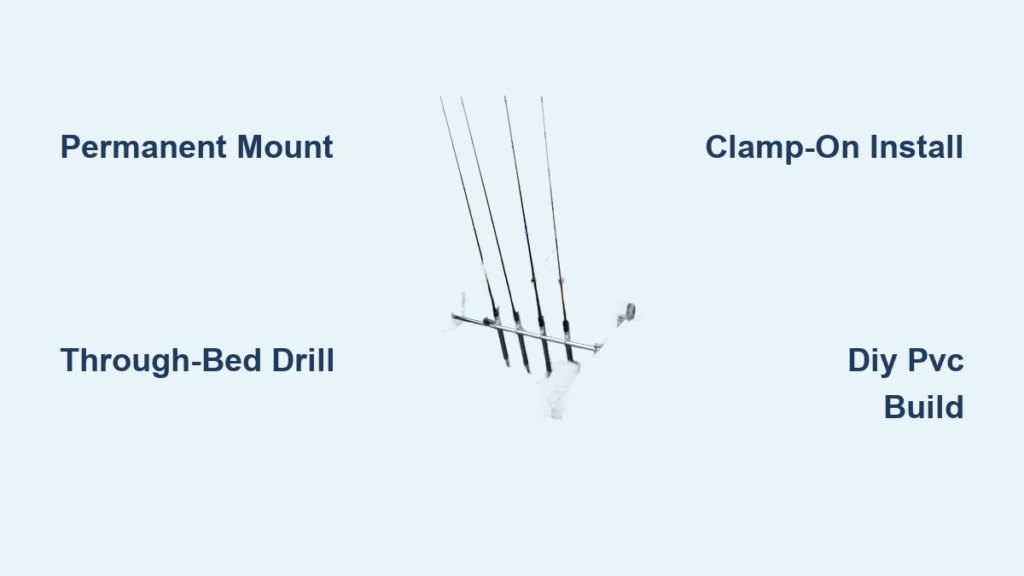
Nothing ruins a fishing trip faster than arriving at your spot with tangled lines, scratched rods, and damaged reels from a bumpy ride. Your $300 graphite rods shouldn’t be bouncing around your truck bed like pool cues in a washing machine. A proper truck bed fishing rod holder transforms chaotic gear transport into organized efficiency, protecting your investment while keeping rods ready for instant action when you spot rising fish along the shoreline.
Whether you’re a weekend warrior or tournament angler, the right rod storage solution prevents costly damage and saves precious time. From no-drill clamp systems to permanent installations, these proven truck bed fishing rod holder ideas match your truck, budget, and fishing style while keeping your gear secure on even the roughest backroads.
Permanent Bed Rail Mount Systems That Won’t Scratch Your Paint
Bed rail mount holders deliver rock-solid stability without drilling into your truck’s bed. These systems leverage your truck’s existing bed rail channels, featuring adjustable clamps with rubber padding that protects your paint while dampening vibrations on rough roads.
Pro tip: Install holders on the driver-side rail for instant access when you spot rising fish along the roadside—no need to unload your entire setup just to grab one rod.
Most configurations accommodate 4-6 rods horizontally with adjustable spacing between holders to prevent line tangling. Position longer rods toward the outside with shorter rods between them, maintaining at least 6 inches of separation at the tips. The rubber padding inside each tube prevents scratches while allowing rods to vibrate slightly without damage during transport. These systems typically take under 15 minutes to install and remain completely removable when you need full bed capacity for other gear.
Through-Bed Vertical Storage for Serious Anglers
Through-bed systems maximize capacity for rod collections exceeding six poles but require permanent modification to your truck. These holders need 2-3 inch diameter holes drilled through your truck bed, typically positioned 18-24 inches behind the cab for optimal weight distribution.
Warning: Measure twice and drill once—these holes become permanent features of your truck bed. Always use a hole saw bit sized specifically for your holder diameter to ensure proper fit.
The installation process involves:
1. Marking precise hole positions along your centerline
2. Drilling holes with a steady hand (use masking tape to prevent bit walking)
3. Installing threaded bases with large washers underneath
4. Securing with locking nuts from beneath the bed
5. Testing fit with removable weather caps
Vertical positioning accommodates 8-12 rods efficiently while keeping tips well within legal height limits. The slight backward angle prevents forward movement during emergency braking, and removable caps maintain weather resistance when you’re not fishing. Aluminum tubing for the rod holders provides corrosion resistance without adding excessive weight.
Clamp-On Solutions for Multi-Use Trucks
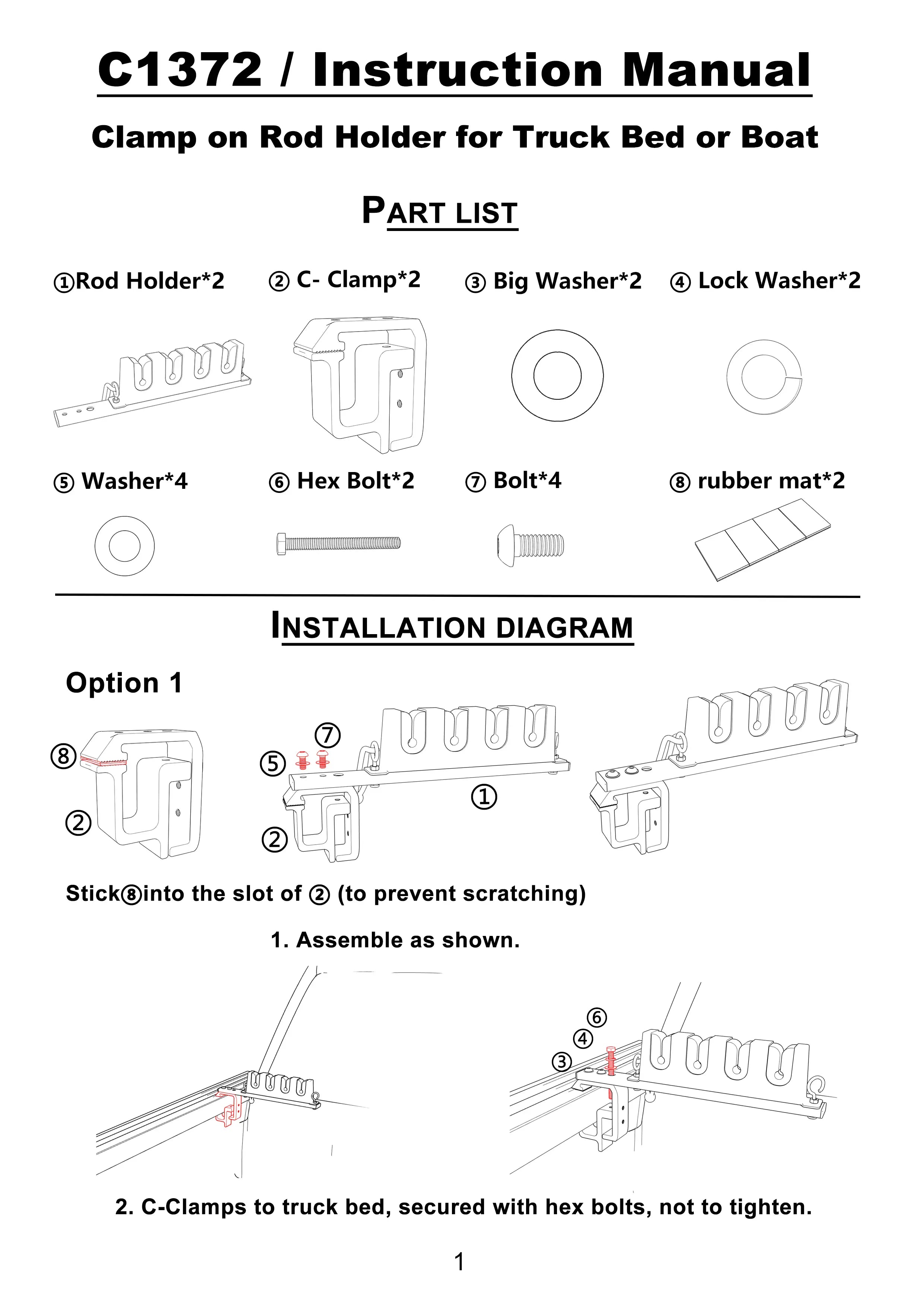
Clamp-on systems offer ultimate flexibility for anglers who use their trucks for more than just fishing. These heavy-duty C-clamp installations take under five minutes with zero permanent modifications required.
Position the clamps securely on your bed rails, then extend the telescoping crossbar across your bed width. Most systems hold 4-8 rods depending on crossbar length, with quick-release mechanisms enabling rapid removal when you need full bed capacity for hauling lumber or camping gear. Look for models with rubber-coated jaws that grip firmly without marring your truck’s finish.
Magnetic mount options provide 50-100 pounds of holding strength for instant positioning anywhere on metal surfaces. Each magnetic base typically manages 2-3 rods in vertical or angled positions. Best placement: Position magnets away from tailgate edges and other frequently accessed areas to avoid interference with loading other gear. Always use the included safety straps as backup security—magnets can lose grip during extreme vibrations.
Budget-Friendly DIY PVC Construction
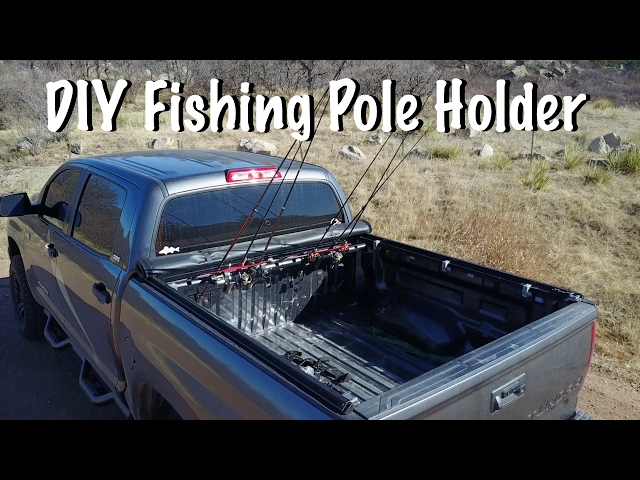
Build professional-grade organization for under $50 using schedule 40 PVC pipe. This weekend project creates a custom system matching your specific rod collection without breaking the bank.
You’ll need:
– 20 feet of 1.5-2 inch PVC for rod tubes
– 8 feet of 3-4 inch PVC for the main support
– 6 T-joints and 4 90-degree elbows
– PVC cement and end caps
– Weather-resistant foam padding
Cut the larger diameter PVC into two 4-foot base sections, cement T-joints every 12 inches along the base, then insert smaller PVC tubes vertically. Add 45-degree angles for optimal rod positioning and install foam padding inside each tube to prevent rod damage. Time investment: 2-3 hours including dry time for cement—well worth it for a custom solution that perfectly fits your gear.
Wooden Crate Rod Organizers That Work
Transform $15 worth of materials into functional rod storage using repurposed milk crates. Drill 1.5-2 inch holes through crate walls at 15-degree upward angles and install rubber grommets in each hole to protect rod finishes.
Stack multiple crates for expanded capacity, securing them with bungee cords or ratchet straps through the crate handles. Single crates hold 4-6 rods efficiently while maintaining full bed functionality for coolers and tackle boxes. Pro tip: Position the crate against the truck cab for maximum stability during transport—this prevents forward movement during braking and keeps rods secure on bumpy roads.
Specialized Configurations for Different Fishing Styles
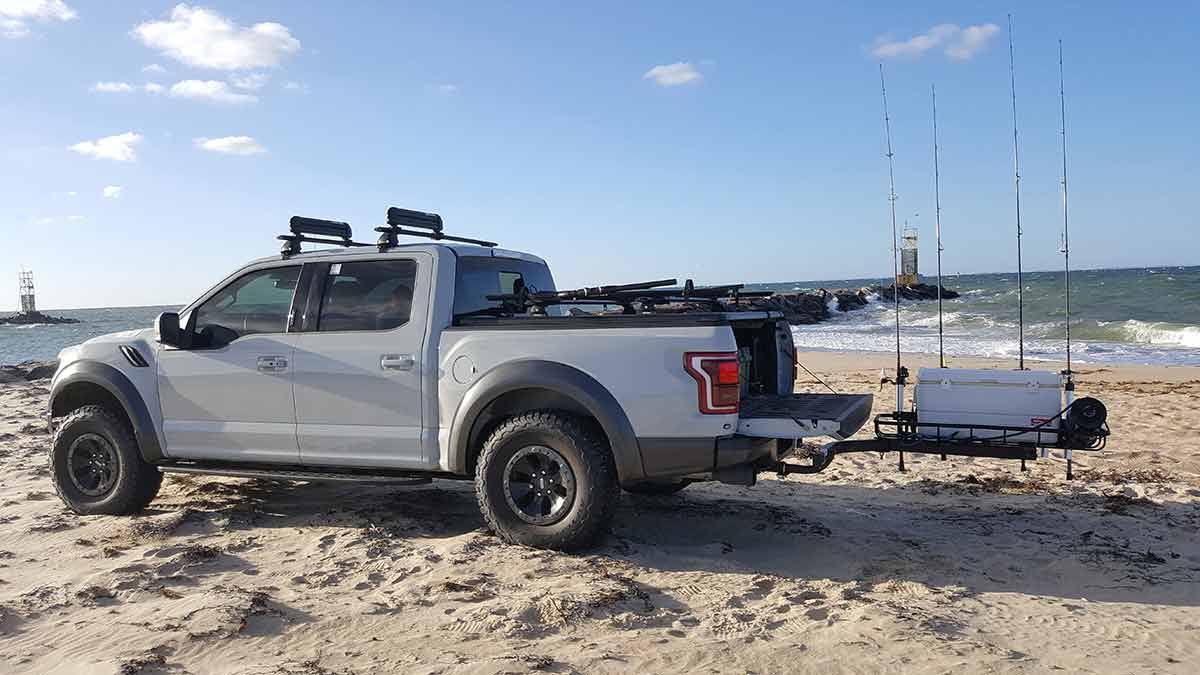
Different fishing styles demand unique holder configurations. Adapt your system for specific applications without compromising overall functionality.
Surf fishing adaptations feature extended height holders positioning rods at 45-degree angles to accommodate 12-foot surf rods. Telescoping designs adjust from 3-6 feet above bed rails while extra-deep tubes provide stability for heavy casting setups. The elevated positioning keeps rods clear of salt spray during beach driving.
Fly fishing modifications require wider diameter tubes (2-2.5 inches) with full-length foam padding protecting delicate fly lines and leaders. Horizontal storage options prevent fly line memory issues, while integration with fly box storage creates complete organization in minimal space.
Ice fishing systems include enclosed rod boxes with insulation preventing ice formation on reels. These accommodate shorter ice rods (24-36 inches) with dedicated space for tip-up systems and battery compartments powering electric reel heaters for extreme cold conditions.
Installation Compatibility You Must Check
Before purchasing any system, verify compatibility with your specific truck configuration:
- Measure your exact bed length (short, standard, or long bed) and depth
- Consider bed liner compatibility—spray-on liners work with most systems while drop-in liners may require longer mounting hardware
- Check tonneau cover compatibility—low-profile designs work best with retractable covers
- Ensure emergency access to spare tire and tool storage isn’t compromised
Most systems accommodate bed lengths from 5.5 to 8 feet with adjustable mounting positions. Proper weight distribution is critical—position heavier rods toward the cab and lighter setups toward the tailgate with a maximum recommended total weight of 50 pounds.
Cost Analysis: What’s Worth the Investment
Understanding true costs helps balance budget constraints with long-term value:
- Entry-level clamp-on systems ($50-100) suit occasional anglers
- Mid-range permanent installations ($150-300) deliver professional features for serious fishermen
- Premium integrated systems ($300-600) provide maximum capacity and security
DIY value propositions include:
– PVC systems costing $25-75 in materials
– Wooden crate solutions utilizing repurposed materials for $15-40 total
– Basic steel fabrication requiring $100-200 in materials plus welding access
Weekend anglers often benefit from removable systems preserving truck bed versatility, while tournament competitors justify permanent installations maximizing capacity and security. Start with a basic system matching your current needs, then expand as your rod collection grows.
Legal and Safety Requirements You Can’t Ignore
Transporting fishing rods involves specific legal requirements varying by state:
- Most jurisdictions allow 3-foot extension beyond vehicle width with proper marking
- Rod tips extending beyond the tailgate require flagging or reflective materials
- Maximum height restrictions typically limit rod tip height to 13.5 feet from ground level
All rod holders must prevent forward movement during emergency braking. Systems require secondary securing methods (bungee cords or straps) for rods over $200 in value. Insurance considerations may require specific locking mechanisms for high-value rod collections—check your policy before investing in expensive gear.
Final Verdict: Choosing Your Perfect System
Your ideal truck bed fishing rod holder balances permanence versus portability, budget constraints, and fishing frequency. The best solution proves itself through daily use—protecting your investment while keeping rods ready for that next perfect cast.
Prioritize systems with individual rod security features like EVA foam padding and adjustable depth settings. Look for line management solutions that prevent tangles during transport. Most importantly, choose a system that matches how you actually use your truck—not how you wish you used it.
Start simple with a clamp-on system for your most frequently used rods, then expand as needed. The perfect setup keeps your gear organized, protected, and instantly accessible—turning what was once a frustrating chore into seamless preparation for your next fishing adventure.


