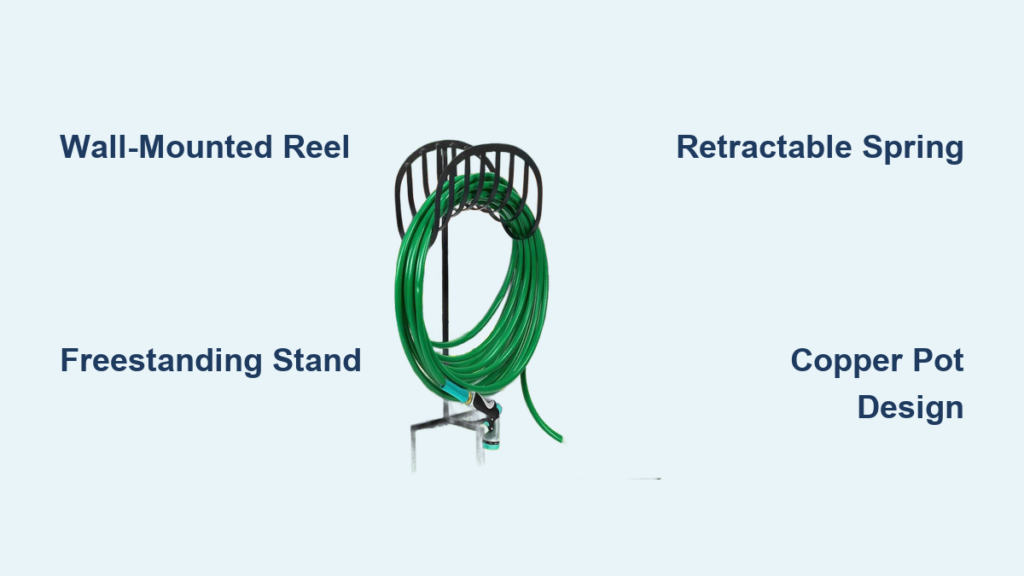
Ever wrestled with a knotted hose while your thirsty tomatoes wilt? You’re not alone. A strategic water hose holder idea isn’t just about tidiness—it’s your secret weapon against wasted weekends untangling rubber and replacing hoses twice a year. The right storage solution extends hose life by 2–3 times while reclaiming 5–10 minutes per watering session. Whether you’re managing a 50-foot patio hose or 400 feet across a sprawling estate, these proven water hose holder ideas solve real-world frustrations with zero guesswork.
Stop fighting your hose. Start enjoying your garden. Here’s how to match your space, climate, and lifestyle with a holder that works as hard as you do.
Wall-Mounted Reels That Eliminate Floor Clutter
Stud-Mounted Reels for Maximum Stability
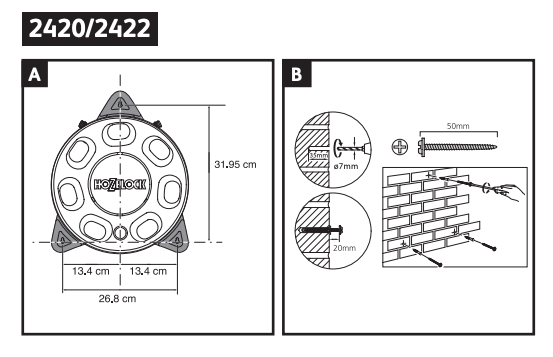
Mounting directly into wall studs transforms blank exterior walls into efficient storage zones. Use 3/8-inch lag bolts driven 2.5 inches deep into solid wood—never drywall anchors—for units holding 50–150 feet of hose. Position the reel center 4–5 feet off the ground for ergonomic cranking while leaving 6–12 inches of clearance from your spigot to prevent connection stress. Vinyl siding requires a hidden 2×6 backing board screwed through to studs; this prevents crushing and creates a rock-solid anchor point. Test stability by hanging a full 50-foot hose before final tightening—any wobble means you’ve missed the stud.
Critical mistake to avoid: Skipping the backing board on vinyl siding. This causes slow crushing that loosens mounts within one season, leading to dangerous hose reel collapses.
Cast Iron Holders That Double as Garden Art
Victorian-style cast iron holders (5–10 lbs) merge function with vintage charm. Their ornate scrollwork accommodates 50–75 feet of hose while the powder-coated finish withstands UV exposure. For brick or stone walls, drill 1/4-inch pilot holes 2.5 inches deep using a masonry bit, then insert lead anchors before screwing in mounting bolts. Annual maintenance is non-negotiable in humid zones: sand rust spots with 220-grit paper, apply rust converter, and finish with matching spray paint. The visual payoff justifies the effort—your hose storage becomes a conversation piece that elevates your entire landscape.
Enclosed Cabinet Reels for HOA-Approved Storage
UV-resistant resin cabinets hide hoses completely while passing strict HOA inspections. Top-loading designs prevent rain accumulation inside, and built-in shelves store nozzles vertically to avoid drips. These handle 100–125 feet of hose but require precise installation: level the unit flush against walls using shims, then drill pilot holes through mounting flanges. Look for models with internal hose guides—curved channels that force the hose into gentle arcs during rewinding. Without these, kinks form at the reel’s entry point, causing premature hose failure. Coastal residents should verify marine-grade stainless steel hardware to prevent salt corrosion.
Freestanding Holders That Move With Your Watering Needs
Weighted Stands for Renters and Patios
No-drill solutions save renters from security deposit battles. Wrought iron stands (30–40 inches tall) use 15–25 lb bases filled with sand or water for stability. Position these near spigots but away from walkways—full 50-foot hoses create tripping hazards when coiled loosely. Bronze or verdigris finishes resist chipping better than matte black in high-sun areas. For windy zones, drive 18-inch spiral ground stakes through the stand’s base holes into soil; this prevents 25+ mph gusts from toppling your setup. Never place these on soft mulch—use a 12-inch-square patio stone base to prevent sinking.
Pro tip: Wrap hose ends with electrical tape during storage. This prevents fraying from rubbing against metal edges.
Copper Pots That Develop Living Patina
Hammered copper pots (16–24 inches wide) transform hose storage into living art. As copper oxidizes, it develops a protective blue-green patina that intensifies with rain exposure. Drill 1/4-inch drainage holes in the bottom to prevent mosquito breeding and ice damage in winter. These hold 50–75 feet best when you coil hoses in flat figure-eights—not tight spirals—to avoid kinks. Poly-resin versions mimic copper’s look at half the price but lack authentic aging; choose these only for shaded patios where UV exposure is minimal. Always lift the pot to drain after heavy rains—standing water accelerates internal corrosion.
Two-Wheel Carts for Rough Terrain Mastery
Navigate gravel paths and uneven lawns with 2-wheel carts designed for 100–400 feet of hose. Prioritize 8–10 inch pneumatic tires over solid rubber—they absorb shocks that would otherwise jolt the reel mechanism loose. The handle height makes or breaks usability: 36–42 inches allows upright pushing without back strain. Test gear ratios before buying; 3:1 to 5:1 ratios mean 3–5 handle turns per foot of hose rewound. Lower ratios (like 2:1) feel effortless but wear out faster under heavy use. Commercial landscapers swear by 14-gauge steel frames—consumer-grade 18-gauge bends under 200+ feet of hose.
Retractable Systems That Rewind Themselves
Spring-Loaded Reels With Precision Mounting

Spring-retractable units auto-wind 50–100 feet of hose with 15–25 lbs of tension. But here’s the kicker: misalignment by even 2 degrees causes premature spring failure. Mount wall units 4–5 feet high with a level, then drill all four anchor holes simultaneously through the mounting plate. For ceiling installations (6–7 feet high), use lag bolts into joists—not drywall anchors. Always test retraction with an empty hose first; if it stops mid-wind, the spring is over-tensioned and needs professional adjustment. Never force a jammed reel—this snaps internal cables requiring full replacement.
Water-Powered Rewind for Effortless Operation
Water-powered reels use your existing pressure (minimum 40 PSI) to retract hoses without springs. Ideal for municipal water systems, they rewind slower but consistently—perfect for large yards where you’d otherwise spend minutes cranking. The enclosed housing protects mechanisms from UV damage, but verify the swivel mount rotates 180 degrees for corner installations. These include 50–100 feet of commercial-grade hose with reinforced couplings; cheaper models use thin rubber that bursts under 80 PSI. Coastal users must demand marine-grade stainless steel components—standard brass corrodes rapidly in salt air.
Decorative Solutions That Hide Hoses in Plain Sight
Planter-Holder Combos for Patio Elegance
24-inch diameter planters conceal 50–75 feet of hose beneath thriving flowers. Built-in drainage channels prevent root rot while hiding unsightly coils. Position these on permanent concrete pads—not soil—to avoid toppling when full of wet soil. For stability, fill the base 4 inches deep with pea gravel before adding potting mix. The best models feature lift-out trays: remove the planter top to access hose connections without disturbing plants. Avoid ceramic pots in freeze zones—they crack when water seeps into microfractures during winter thaws.
Faux Architectural Elements for Historic Homes
Miniature well heads and vintage pump designs disguise hose storage as intentional landscape features. Cast aluminum keeps weight manageable (under 25 lbs) while resisting corrosion better than iron. Ground stakes must penetrate 18+ inches in clay soil to prevent 30+ mph winds from toppling them. These hold only 50–75 feet due to narrow internal diameters—attempting to stuff 100 feet causes kinks at the entry point. For authenticity, choose hand-painted finishes sealed with UV-resistant clear coat; unsealed paint fades within one season in full sun.
Specialized Holders for Extreme Conditions
RV Holders With Corrosion-Proof Mounting

Marine-grade stainless steel holders (25–50 ft capacity) survive road salt and campground chemicals. Bumper-mounted versions require L-brackets bolted directly to frame rails—not bumper supports that flex and crack. Verify the mounting plate has rubber gaskets to prevent electrolysis between dissimilar metals. For sewer hoses, demand separate holders with antimicrobial resin coatings; standard models trap odors that permeate RV interiors. Never use zinc-plated hardware—salt spray turns it to powder within months.
Winter-Resistant Designs for Sub-Zero Zones
Galvanized steel holders with extra-thick powder coating (-40°F rated) survive ice storms that shatter plastic. Key features include 12–18 inch elevated mounting to avoid ice dams and perforated bottoms that drain instantly. In northern climates, always disconnect hoses before first frost—trapped water expands and cracks reels from within. Look for models with swing-out arms that let you remove hoses for indoor storage without unmounting the entire unit. Avoid enclosed cabinets here; trapped moisture freezes and jams mechanisms.
Smart Shopping Guide for Your Exact Yard
Capacity Matching Made Foolproof
Tiny yards (under 1,000 sq ft): Choose 50–75 ft capacity holders weighing 10–15 lbs. Copper pots or compact wall reels prevent clutter on balconies.
Medium yards (1,000–5,000 sq ft): Demand 100–150 ft capacity with 20–30 lb bases. Two-wheel carts with pneumatic tires handle mulch beds effortlessly.
Large properties (5,000+ sq ft): Invest in commercial 200–400 ft carts with 14-gauge steel frames. Verify 10+ inch pneumatic tires—small wheels sink in soft soil.
Budget Hacks That Prevent Costly Mistakes
Spend 20–30% more for brass hardware—it lasts 3x longer than zinc in wet conditions. Prioritize stainless steel axles on carts; rusted axles seize bearings within two years. For retractable reels, avoid “all-in-one” kits with included hoses—replace the hose separately with commercial-grade rubber that handles 100 PSI. Never buy plastic reels under $40; thin resin cracks at -20°F and UV degrades them within 18 months.
The perfect water hose holder idea transforms daily watering from a chore into a pleasure. By matching your holder to hose length, climate, and aesthetic—whether it’s a patina-rich copper pot or a heavy-duty steel cart—you’ll extend hose life dramatically while reclaiming precious gardening time. Start with your space constraints, then prioritize weather resistance for your region. That initial 20-minute installation pays back in saved time and frustration every single time you water. Your garden (and your back) will thank you.