
You’re standing outside your house in the rain, keys locked inside, and your trusty Master Lock key holder won’t budge. That small magnetic box or combination safe that’s supposed to save you in emergencies has become the source of your frustration. Whether you’re a homeowner who installed it months ago or helping a neighbor access their emergency keys, knowing how to properly open Master Lock key holders prevents damage and saves time when you need it most.
Master Lock key holders come in various models including magnetic boxes, combination safes, and wall-mounted units, each requiring specific opening techniques. Weather exposure, infrequent use, and temperature changes often cause these devices to stick or malfunction. This guide reveals exactly how to open any Master Lock key holder safely without damaging the mechanism or compromising security.
Essential Tools for Opening Stubborn Master Lock Key Holders

Before attempting to open your stuck key holder, gather these critical tools that won’t damage the mechanism:
- Bright LED flashlight to inspect seams and mechanisms
- Small flathead screwdriver (1/8 inch works best)
- Flexible plastic shim or old credit card
- Silicone-based lubricant (NOT WD-40)
- Microfiber cloth for cleaning
- Needle-nose pliers for precision work
Critical safety tip: Always work over soft ground or a towel to prevent losing small components if the key holder suddenly opens. Keep metal tools away from painted surfaces—slipping tools cause expensive scratches. Never use excessive force as Master Lock mechanisms contain delicate internal springs that break easily when forced.
Why Standard Tools Fail on Weathered Key Holders
Most people grab whatever’s handy—a butter knife or coin—but these cause damage. Metal pry tools scratch plastic housings, creating uneven surfaces that prevent proper sealing. Oil-based lubricants like WD-40 attract dirt, worsening the problem over time. Using the correct tools matters because Master Lock key holders have precise tolerances; even minor damage prevents proper resealing against weather.
Magnetic Key Holder Opening Techniques That Actually Work
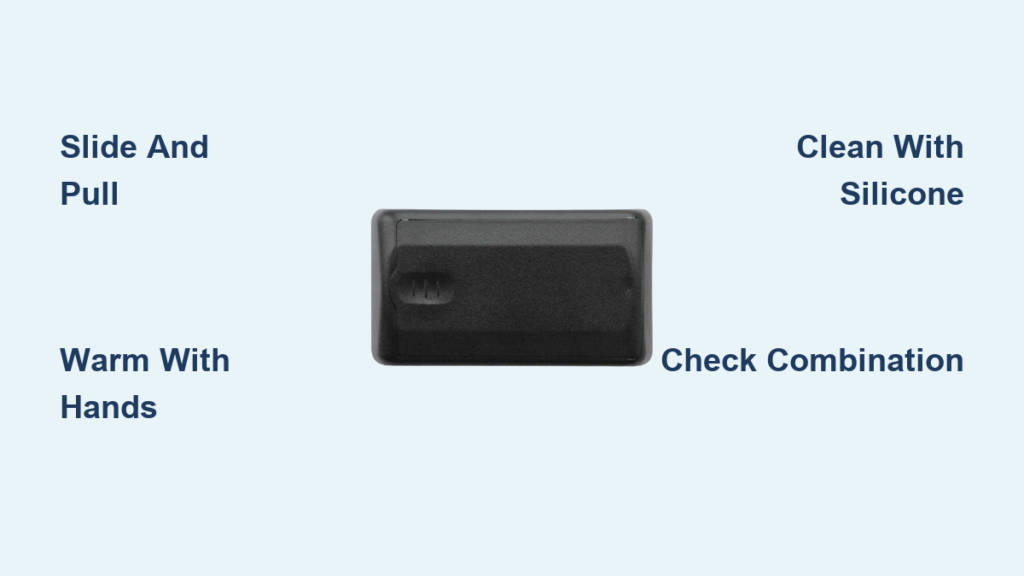
Slide-and-Pull Method for Classic Magnetic Boxes
Master Lock magnetic key holders (models 200D, 207D) use a hidden sliding latch. Position the box with the Master Lock logo facing you. Press firmly on the front panel while pulling the back portion straight away from the mounting surface. The correct motion isn’t a twist—it’s a straight back pull after sliding right.
Pro tip: If the mechanism sticks, hold the box firmly and tap the top edge against your palm three times. This dislodges debris blocking the internal slide channel. You’ll hear a slight “click” when the latch releases. If you don’t hear this sound, stop pulling—forcing it bends the internal tab.
Temperature-Sensitive Opening for Extreme Conditions
Cold temperatures shrink metal components, making key holders extremely tight. When below freezing, warm the entire box between your hands for 60 seconds before attempting to open. The heat transfer causes minimal expansion that releases the stuck mechanism. Never use direct heat sources like lighters or hair dryers—Master Lock’s plastic components warp at just 140°F, ruining the weather seal.
Cleaning Procedure for Gritty or Rusty Mechanisms
Sand, dirt, and moisture create stubborn buildup inside magnetic key holders. Spray silicone lubricant along the seam where the box opens, focusing on the right-side edge where the slide mechanism lives. Wait 7 minutes for penetration, then wipe excess with a microfiber cloth. Work the sliding motion gently—don’t force it. Repeat if necessary, but never use more than three applications as excess lubricant attracts more dirt.
Combination Key Holder Solutions for Forgotten Codes
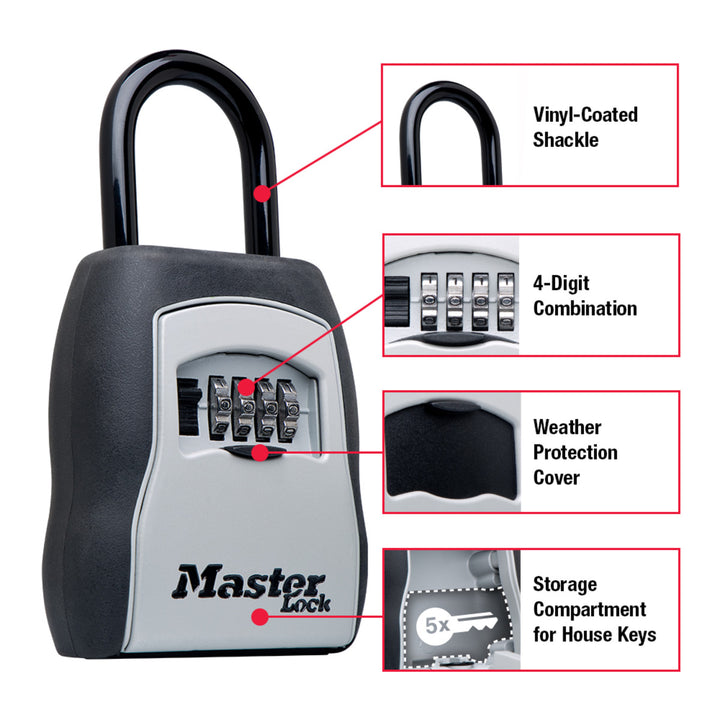
Combination Recovery for Model 5400D Units
Master Lock combination key holders require precise dialing. If you’ve forgotten your combination, follow these exact steps:
- Pull the shackle upward until it stops moving
- Rotate each dial slowly while maintaining upward pressure
- Feel for subtle resistance points (slight clicks) on each wheel
- Align all resistance points with the indicator line
- Release shackle pressure—the compartment should open
Warning: Forcing dials past resistance permanently damages the internal wheels. If you feel significant resistance at multiple numbers, the mechanism is frozen—apply warm water instead of forcing it.
Thawing Frozen Combination Wheels
Salt and moisture from winter conditions freeze combination wheels solid. Dampen a cloth with warm (not hot) water and wrap it around the dials for 180 seconds. Gently wiggle each dial back and forth—never force full rotations. The moisture penetrates frozen mechanisms better than direct heat. After thawing, dry thoroughly with a hair dryer on cool setting before attempting to open.
Wall-Mounted Key Safe Access for Model 5401D
Correct Dialing Sequence for Wall Safes
Master Lock 5401D wall safes require precise combination entry. Turn each dial slowly until the number aligns perfectly with the indicator line—being off by even 1/8 inch prevents opening. After entering the combination, turn the handle clockwise until it stops (approximately 90 degrees), then pull the faceplate straight out. The keys hang on a hook inside the compartment.
Handle Resistance Troubleshooting
If the handle won’t turn after correct combination entry, verify these three critical points:
– Each dial number aligns precisely with the indicator line
– You’re applying slight inward pressure while turning
– No ice has formed around the handle mechanism
Use graphite powder (never oil) on the handle mechanism if it sticks regularly. Oil attracts dirt and creates a grinding paste that wears out components.
Emergency Opening Methods for Completely Stuck Units
Non-Destructive Entry for Magnetic Boxes
When standard methods fail on magnetic key holders, try these last-resort techniques:
- Magnet location method: Run a strong magnet along the back to find the magnetic catch location, then apply pressure directly opposite this point
- Suction break technique: Insert a credit card between the box and mounting surface to break any vacuum seal
- Controlled tapping: Hold the box firmly and tap bottom corners against rubber mat—this often releases stuck latches
Damage Assessment for Compromised Key Holders
If your key holder shows visible damage (cracks, severe rust, bent components), proceed carefully:
– For magnetic boxes: Gently pry at the seam with needle-nose pliers
– For combination models: Cutting the shackle should be absolute last resort
– For wall safes: Remove the entire mounting bracket if possible
Critical note: Any key holder requiring forced entry must be replaced immediately. Compromised units no longer provide secure key storage and expose your home to security risks.
Maintenance Protocol to Prevent Future Opening Issues
Monthly Inspection Checklist
Prevent lockout emergencies with this 60-second monthly routine:
– Test opening mechanism three times
– Check for rust around seams and mounting points
– Verify weather seals remain pliable (not cracked)
– Confirm magnetic strength holds keys securely
Weatherproofing Best Practices
Extend your key holder’s lifespan with these proven techniques:
– Install under roof overhangs whenever possible
– Apply silicone spray to moving parts every 3 months
– Clean exterior with alcohol wipe after salty winters
– Store keys in waterproof bags inside the holder
Proper Lubrication Schedule
Use the right lubricant for your model:
– Combination locks: Graphite powder only (quarter teaspoon annually)
– Sliding mechanisms: Silicone spray (2-3 bursts quarterly)
– Never use petroleum-based products—they degrade rubber seals
When to Replace Your Master Lock Key Holder
Critical Replacement Indicators
Replace your key holder immediately if you notice:
– Cracks in plastic housing (even hairline fractures)
– Rust on internal components or mounting hardware
– Combination mechanism fails to open twice consecutively
– Magnetic strength can’t hold keys securely
Upgraded Models Worth Considering
Newer Master Lock models solve common problems:
– Model 207DWD: Features lighted combination display for nighttime access
– Model 5404D: Adds emergency key override to combination models
– Model 200D Pro: Enhanced weather sealing for coastal environments
Final Security Recommendations
Test your Master Lock key holder quarterly by performing a complete open-close cycle. After heavy rain or snow, wipe down the exterior and work the mechanism to prevent moisture buildup. Remember that no key holder lasts forever—most models provide reliable service for 3-5 years with proper maintenance before needing replacement.
When installing new units, choose locations visible from your windows but hidden from street view, mounted 4-6 feet high to prevent casual tampering. Share access details only with immediate family members who understand the security implications. By following these precise techniques, you’ll maintain reliable access to your emergency keys while keeping your home secure against unauthorized entry.


