
Your badge holder won’t budge, and you’re minutes away from an important meeting. This frustrating scenario happens daily to office workers, conference attendees, and healthcare professionals across the country. Whether you’re dealing with a stubborn spring clip, a magnetic fastener that feels permanently sealed, or a retractable reel that’s jammed, knowing the right technique saves time and prevents costly badge replacements.
This guide walks you through every common badge holder opening method, troubleshooting tips for stuck mechanisms, and safety precautions to protect both your badge and your clothing. By the end, you’ll confidently open any holder type—even those tricky specialty designs.
Spring Clip Badge Opening Techniques

Spring-loaded clips remain the most common attachment method for traditional badge holders. These mechanisms use tension to grip clothing securely, but improper opening techniques can bend pins or damage delicate fabrics.
Push Lever Method for Standard Clip Holders
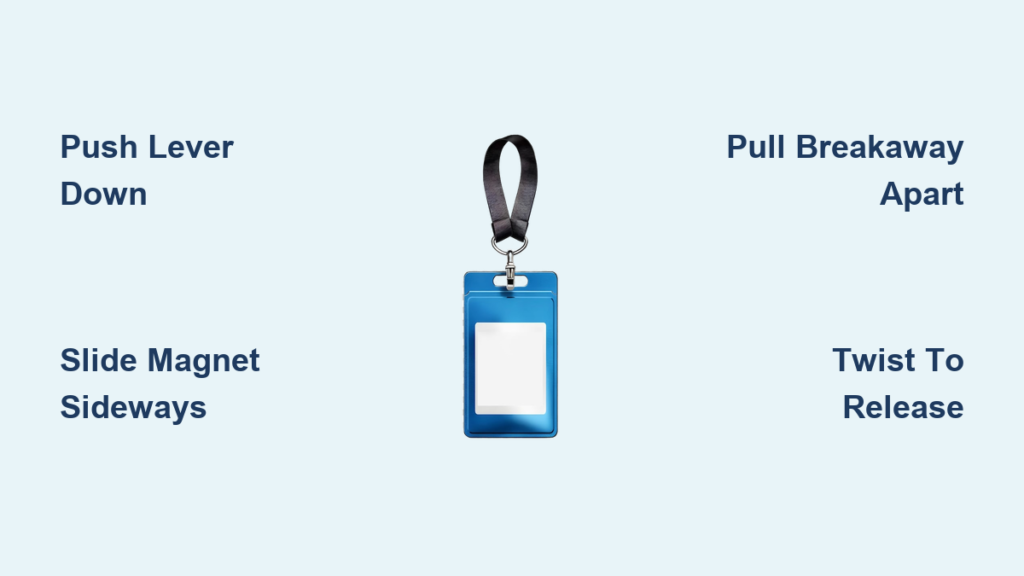
Locate the small metal lever on the back of your badge holder—it’s typically positioned perpendicular to the pin itself. Place your thumb on the lever’s ridged surface and push downward in one smooth motion. While maintaining pressure on the lever, use your other hand to gently pull the badge away from your clothing. Release the lever once the pin clears your garment completely.
Pro tip: The lever requires minimal force—roughly the pressure you’d use to click a pen. Excessive force can snap the mechanism or launch your badge across the room.
Alligator Clip Release for Secure Attachment
Alligator clips feature serrated teeth that grip fabric firmly. Identify the top of the clip where the two metal pieces meet. Pinch this area between your thumb and forefinger until you feel the tension release. Maintain this grip while sliding the badge upward approximately one inch to fully detach it from your clothing.
Warning: Never pull the badge directly outward—this tears fabric and bends the clip permanently.
Magnetic Fastener Separation Strategies
Magnetic badge holders offer convenience but can puzzle first-time users. These systems use strong neodymium magnets that require specific techniques to separate safely.
Two-Piece Assembly Breakaway Technique
Hold the front badge portion firmly between your thumb and forefinger. Identify where the external magnet connects—usually a small circular or rectangular piece on the clothing’s opposite side. Slide this magnet sideways (left or right) until you feel the magnetic bond weaken. Once the attraction breaks, separate both components completely.
Expert note: Sliding rather than pulling prevents the magnet from snapping back together, which can pinch fingers or damage the badge surface.
Single Magnet with Plate Release Method
Grasp the badge edges to avoid touching the magnetic surface directly. Apply a gentle twisting motion—clockwise or counterclockwise—to break the magnetic attraction. This technique uses rotational force to overcome the magnet’s grip. Lift the badge away from the underlying metal plate once the bond releases.
Lanyard Attachment Release Solutions
Lanyard-connected badges typically use breakaway safety features or swivel hooks. Understanding your specific mechanism prevents fumbling during removal.
Breakaway Safety Clip Disconnection
Feel along the lanyard for a plastic connector—usually positioned at the back of your neck or just below the badge itself. This breakaway piece consists of two interlocking plastic segments. Firmly pull these segments apart with both hands; they’ll separate cleanly, dividing the lanyard into two pieces. Your badge remains attached to one segment for easy reconnection later.
Safety check: Test this mechanism monthly by applying firm pressure. If the pieces don’t separate cleanly, replace the lanyard immediately.
Swivel Hook Detachment for Quick Removal
Locate the small metal trigger on the hook mechanism where your badge connects to the lanyard. This trigger appears as a tiny lever or button. Depress this trigger while simultaneously lifting the badge upward. The hook will release from the lanyard’s loop, allowing complete removal.
Retractable Badge Reel Access Methods
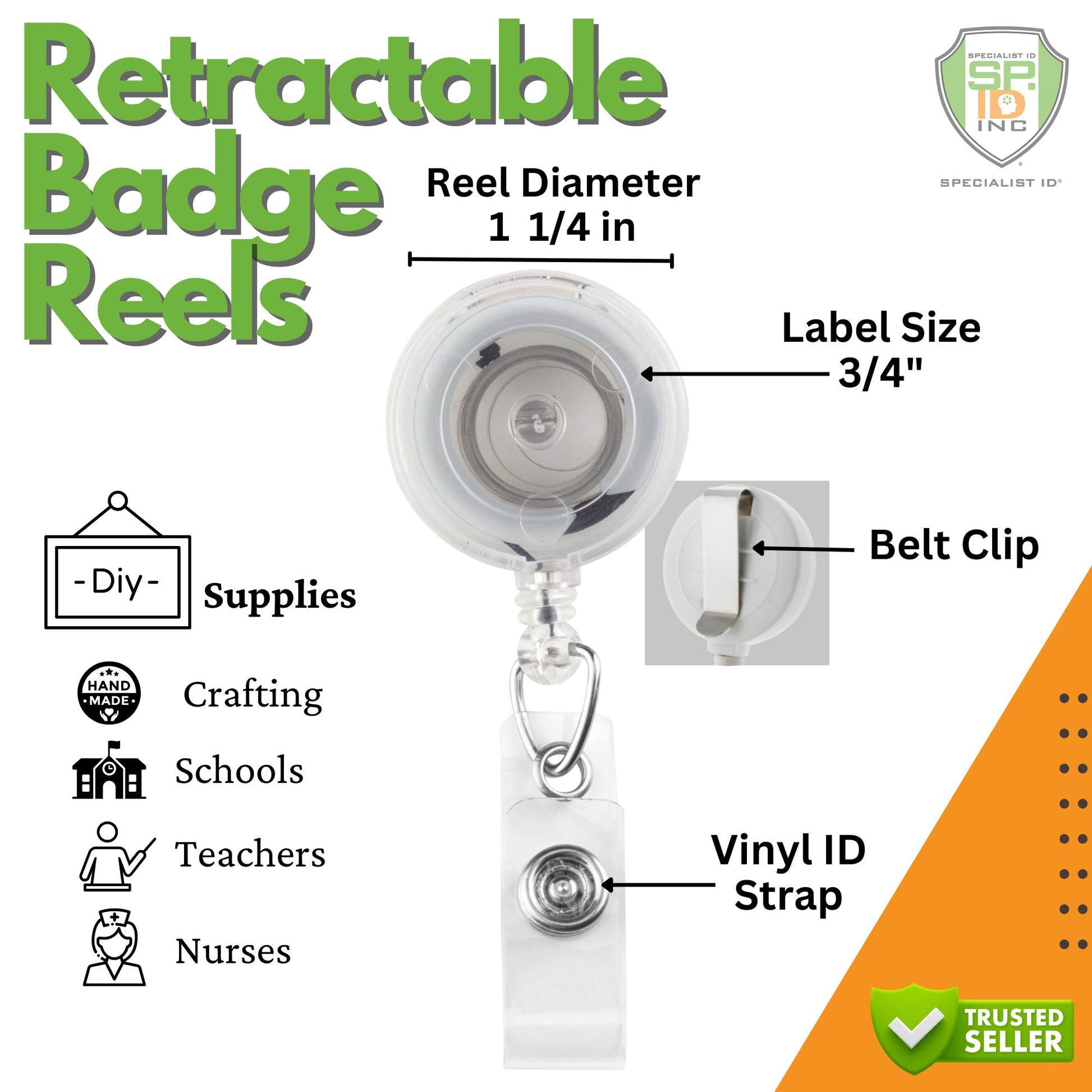
Retractable reels combine convenience with security, but their belt clips and carabiners require specific techniques for safe removal.
Belt Clip Removal Without Snagging
Identify the plastic belt clip attached to your reel body. Pinch both sides of this clip simultaneously—similar to opening a clothespin. While maintaining pressure, slide the entire clip upward (away from your belt or pocket edge) to release it. The reel will remain connected to your badge via the retractable cord.
Pro tip: Always pull the badge outward against the reel’s tension before removing the clip. This prevents the cord from snapping back and tangling.
Carabiner-Style Release for Secure Holders
Examine the carabiner’s locking gate—this metal loop typically features a spring-loaded mechanism. Twist the gate counterclockwise (or push inward, depending on design) until it opens completely. Slide the entire reel off your belt loop, pocket edge, or lanyard attachment point.
Troubleshooting Stuck Badge Holder Mechanisms
Even well-designed badge holders occasionally jam. These troubleshooting steps resolve common issues without causing damage.
Pin Back Solutions for Stubborn Holders
When a spring-loaded pin refuses to release, grip the pin shaft (not the badge) with small needle-nose pliers. Apply a gentle wiggling motion while pulling outward—never twist forcefully. This technique breaks any fabric threads caught in the mechanism. If resistance persists, work a thin piece of paper between the pin and fabric to clear obstructions.
Avoid: Using excessive force that bends the pin shaft, rendering the holder unusable.
Magnetic Separation Issues for Strong Magnets
Strong magnets sometimes refuse to separate, especially when attracted to metal surfaces beyond the intended plate. Slide a thin plastic card (credit card, ID card) between the magnet surfaces. Work this card around the entire perimeter while applying gentle twisting pressure. The card breaks the magnetic field, allowing safe separation without pinched fingers.
Safety Considerations During Badge Holder Opening
Badge holders contain small metal components that can cause injury or clothing damage when handled improperly. Following these safety protocols prevents common accidents.
Sharp Component Awareness for Pin Backs
Always point pin backs and alligator clips away from your body during removal. These components feature sharp points designed to pierce fabric—they can easily scratch skin or snag delicate clothing. Store detached badges in a designated container rather than loose pockets where pins can cause injury.
Critical: Check metal edges for burrs or sharp edges before each use. File smooth any rough spots using a nail file or fine-grit sandpaper.
Breakaway Feature Testing for Safety Compliance
Safety breakaway clips require regular testing to ensure they function during emergencies. Monthly, apply firm pulling force to test clean separation. The pieces should disconnect with moderate pressure—if they fail to separate or require excessive force, replace the lanyard immediately. Damaged breakaway mechanisms create strangulation hazards.
Maintenance for Smooth Badge Holder Operation
Regular maintenance prevents most opening difficulties and extends your badge holder’s lifespan significantly.
Weekly Inspection Routine for Reliability
Every week, test all opening mechanisms while your badge isn’t attached to clothing. Verify that clips open smoothly, magnets separate cleanly, and retractable cords extend/retract properly. Clean visible surfaces using a soft cloth dampened with mild soap and water—avoid harsh chemicals that can weaken plastic components.
Quick check: If any mechanism feels gritty or requires excessive force, clean thoroughly and apply a tiny drop of silicone lubricant to moving parts.
Tool-Assisted Opening Techniques for Difficult Situations
When standard methods fail, these specialized tools provide extra leverage without causing damage.
- Precision grip tools: Small tweezers offer enhanced control when opening tiny clips or removing stuck pins. Choose tweezers with flat (not pointed) tips to avoid scratching surfaces.
- Leverage enhancement: Credit cards work perfectly for separating stubborn magnetic connections—slide the card between magnet surfaces and work it around the perimeter.
- Guitar picks: Provide ideal leverage for tight alligator clips without scratching plastic components.
One-Handed Operation Methods for Professionals
Certain professions require quick, one-handed badge removal for security or hygiene reasons.
Leverage Techniques for Efficient Removal
Practice using your body’s surfaces for leverage: press the badge against your chest while manipulating clips, or use a table edge to depress magnetic holder triggers. Magnetic holders offer the easiest one-handed operation—simply twist the badge against your clothing to break the magnetic bond.
Training tip: Practice these techniques at home with a spare badge holder until movements become automatic. Muscle memory prevents fumbling during critical moments.
When to Replace Your Badge Holder
Sometimes opening difficulties indicate it’s time for replacement rather than repair.
Replacement Indicators for Safety and Functionality
Replace your badge holder immediately if you notice visible wear on breakaway tabs, cracked plastic components, or bent metal pins. Magnets that no longer hold firmly or clips that require excessive force also signal replacement time. Emergency removal situations (medical emergencies, security threats) become dangerous with worn or damaged holders.
Budget consideration: Quality badge holders cost $5-15 but prevent workplace accidents and clothing damage. Replace annually for heavy use or bi-annually for occasional use.
Mastering how to open badge holder mechanisms saves time, prevents clothing damage, and ensures you always look professional. Start by identifying your holder type, then practice the appropriate opening method until it becomes second nature. Remember: gentle, consistent technique always beats force, and regular maintenance prevents most opening difficulties before they occur.
Keep this guide bookmarked for reference, and consider sharing these techniques with colleagues who struggle with similar holders. Your mornings just became significantly smoother.


