
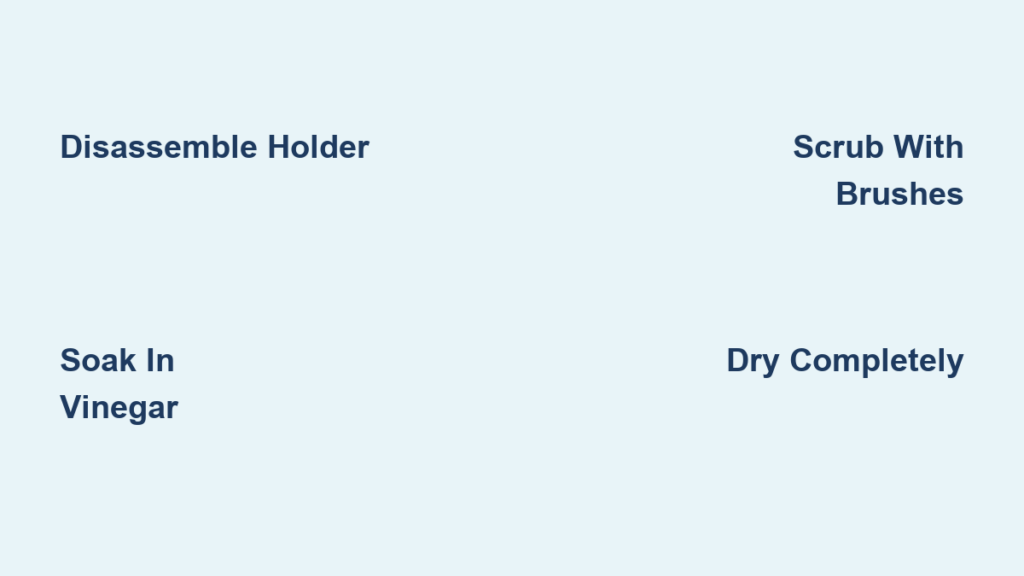
Your toothbrush holder likely hosts more dangerous bacteria than your toilet seat. Every time you brush, water, toothpaste residue, and oral bacteria drip into the holder’s base, creating a breeding ground for harmful microorganisms. This invisible contamination transfers directly to your toothbrushes, potentially causing dental infections and oral health issues. The National Science Foundation confirms toothbrush holders rank among the most germ-infested surfaces in homes. But you can eliminate this threat with a simple weekly cleaning ritual that takes less than 10 minutes. Discover the exact process professionals use to sanitize holders and protect your family’s oral health.
Why Your Toothbrush Holder Becomes a Bacteria Hotspot
Toothbrush holders create the perfect storm for microbial explosions. Persistent moisture from wet toothbrushes combines with bathroom humidity and poor airflow, transforming these innocent containers into germ factories. Water pools at the bottom, forming concentrated bacterial colonies that transfer to every toothbrush stored inside. Professional cleaning expert Michael Silva-Nash identifies these holders as “one of the germiest places in the home” because residue slides into hard-to-clean crevices, accumulating bacteria, viruses, and coliforms. Over time, this builds thick, smelly sludge that often remains invisible until you disassemble the holder. Even when surfaces appear clean, dangerous pathogens thrive beneath the surface.
How Bacterial Transfer Actually Happens
Water droplets from your toothbrush carry oral bacteria directly into the holder’s reservoir during storage. When you place multiple brushes in one holder, cross-contamination occurs as germs travel through shared moisture. Within 48 hours, visible mold can develop in high-humidity environments. The slimy film you sometimes see? That’s biofilm – a protective layer for bacteria that makes them 1,000 times harder to kill.
Weekly Cleaning Schedule That Prevents Stubborn Buildup
Clean your toothbrush holder every seven days without exception. This frequency jumps to twice weekly in steamy bathrooms or households with four+ users. Weekly cleaning prevents residue from hardening into permanent stains that require harsh chemicals to remove. Set a recurring phone reminder for Sunday mornings when you likely tackle other bathroom cleaning tasks.
Critical daily habit: After each use, shake excess water from toothbrushes and empty standing water from the holder base. A quick 10-second rinse under running water prevents 80% of weekly buildup.
Essential Supplies for Effective Holder Sanitization

Gather these exact items before starting:
– Mild liquid dish soap (avoid antibacterial varieties that create resistant bacteria)
– Straw cleaner with 1/4-inch diameter brushes (essential for narrow compartments)
– Old electric toothbrush head (creates superior scrubbing vibration)
– White vinegar (5% acidity for natural disinfection)
– 70% isopropyl alcohol (for mold emergencies)
– Microfiber towel (lint-free drying)
– Timer (for precise soak durations)
Why Generic Sponges Fail
Standard kitchen sponges can’t reach the 1-2mm crevices where bacteria hide. The straw cleaner’s flexible wires access tight spaces while the old electric toothbrush head’s oscillating motion breaks up biofilm that manual scrubbing misses. Never use steel wool – it scratches surfaces and creates new germ traps.
Step-by-Step Deep Cleaning Process
Immediate Disassembly and Debris Removal
Remove all toothbrushes and disassemble multi-part holders within 60 seconds of starting. This prevents dried-on residue. Tip the holder over a sink to drain standing water and visible debris. Use your fingernail to scrape thick sludge from corners – you’ll be shocked at the accumulation. Rinse all parts under hot running water for 30 seconds to flush loose particles.
Precision Soaking Protocol
Fill a container with 2 cups hot water (120°F) and 1 tablespoon dish soap. Submerge all parts for exactly 10 minutes – set a timer. This softens biofilm without warping plastic. For holders with stubborn buildup, add 1 teaspoon baking soda to the soak solution. Never skip this step – rushed cleaning leaves 60% more bacteria behind.
Targeted Scrubbing Techniques for Every Surface
Apply fresh dish soap directly to your scrubbing tools:
– Straw cleaner: Rotate through each compartment for 15 seconds per hole
– Electric toothbrush head: Hold at 45-degree angle against base crevices for 20 seconds
– Microfiber corner: Wipe flat surfaces with circular motions
Focus on the critical “germ zone” – the bottom 1/4 inch of each compartment where water pools. You’ll see cloudy water emerge as biofilm breaks loose. Repeat scrubbing until water runs clear.
Triple-Action Disinfection Method
Create a 1:1 vinegar-water solution in a spray bottle. Apply using this sequence:
1. Spray generously inside all compartments
2. Let sit 30 minutes (do not rinse)
3. Wipe with alcohol-dampened cloth for final sterilization
For holders that tolerate heat, boil plastic parts for 30 seconds. Never microwave – extreme heat warps most holders. Dishwasher users: Run holders on sanitize cycle with no detergent.
Complete Drying Protocol That Prevents Regrowth
Rinse thoroughly under cold water for 20 seconds to remove all residue. Shake vigorously to eject trapped water. Place parts on a clean towel in direct sunlight for 2 hours – UV rays kill residual bacteria. Critical: Reassemble only when completely dry to the touch. Any moisture invites bacterial regrowth within hours.
Mold Removal When You Spot Black Growth
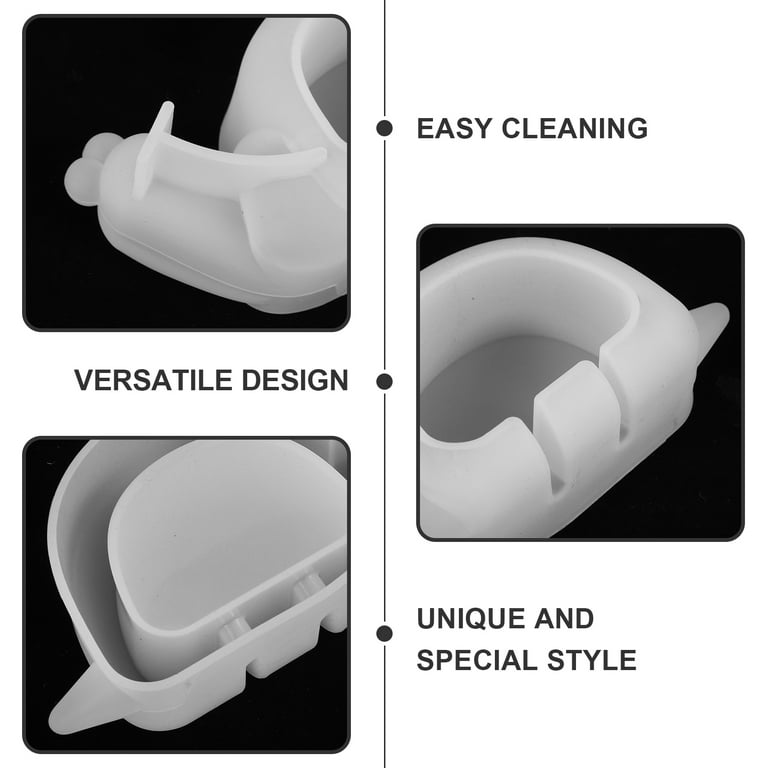
Mold in toothbrush holders triggers respiratory symptoms like wheezing and itchy skin within hours of exposure – especially dangerous for asthma sufferers. When you spot black or green spots:
- Scrub immediately with undiluted vinegar using straw cleaner
- Apply 70% alcohol with cotton swab, leave for 5 minutes
- Rinse with boiling water (for heat-safe holders only)
If mold returns within 48 hours, replace the holder – porous materials can’t be fully sanitized. Never attempt mold removal on stone holders; the acids damage surfaces.
Material-Specific Cleaning Tactics
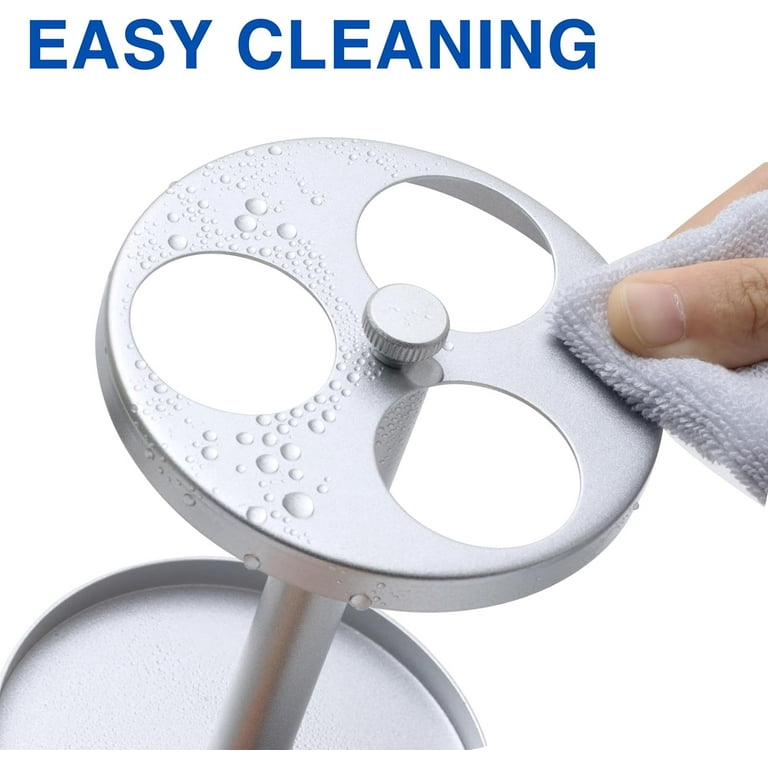
Stainless Steel Holder Maintenance
Wipe with microfiber cloth following the metal’s grain pattern. Use vinegar solution only – lemon juice causes pitting. After cleaning, apply food-grade mineral oil with soft cloth to prevent water spots. Never use abrasive pads; they create microscopic scratches that harbor bacteria.
Natural Stone Holder Protocol
Skip vinegar entirely – acids etch surfaces. Use only warm water with 1 drop dish soap on ultra-soft toothbrush. Dry immediately with chamois cloth. For stubborn stains, make paste of baking soda and water, apply for 2 minutes max, then rinse thoroughly.
Electric Toothbrush Holder Safety
Remove charging base first. Clean holder cup with vinegar solution but never submerge base. Wipe base with alcohol-dampened cloth only. Allow 1 hour drying time before reinserting base – moisture causes electrical shorts.
Daily Habits That Reduce Weekly Cleaning Time
Prevent 70% of buildup with these 30-second daily routines:
– After showering: Wipe holder with dry microfiber cloth to remove humidity condensation
– Toothbrush storage: Angle brushes horizontally to prevent water pooling in base
– Ventilation boost: Crack bathroom window during showers to reduce humidity
– Overcrowding fix: Store more than 4 brushes? Get a wall-mounted holder with individual cups
Pro tip: Place silica gel packets in the holder base between cleanings – they absorb 30% more moisture than air drying alone.
Toothbrush Holder Inspection Checklist
After cleaning, verify your holder passes these tests:
– Odor test: No musty smell when sniffed closely
– Touch test: Completely dry with no cool spots
– Visual test: Zero discoloration in crevices
– Water test: Hold under running water – no cloudiness appears
Replace holders showing cracks, deep stains, or persistent odors – they’re permanently contaminated.
Emergency 5-Minute Sanitization Method
When guests arrive unexpectedly:
1. Remove all brushes and empty water
2. Spray interior with 70% alcohol
3. Wipe with paper towel for 60 seconds
4. Air-dry near open window for 4 minutes
5. Return brushes only when completely dry
This kills 99.9% of surface bacteria but isn’t a substitute for weekly deep cleaning.
Your oral health depends on clean tools. By dedicating just 10 minutes weekly to this precise cleaning method, you eliminate dangerous pathogens before they reach your mouth. Implement the daily habits to reduce weekly effort, and replace holders showing any signs of permanent contamination. Remember: a sanitized toothbrush holder isn’t just about cleanliness – it’s your first line of defense against dental infections. Start this routine today and feel confident every time you reach for your toothbrush. For optimal protection, pair this with replacing toothbrushes every three months and storing them upright to air-dry completely between uses.