
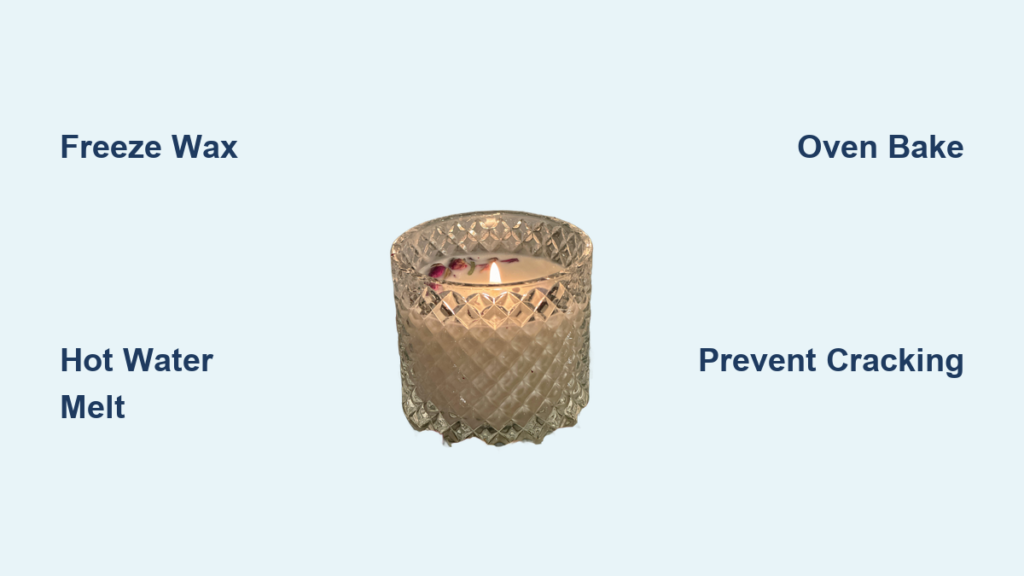
Staring at hardened wax clinging to your beautiful glass candle holders? If you’re searching for how to remove wax from glass candle holder effectively, you’ve come to the right place. That stubborn residue transforms elegant votives into cloudy eyesores, making even the most expensive holders look cheap and neglected. Whether it’s leftover paraffin from last winter’s cozy evenings or soy wax remnants from your latest aromatherapy session, this guide reveals four proven methods that glass restoration experts use—complete with safety protocols to prevent the heartbreak of cracked holders. You’ll discover which technique works fastest for your specific situation, from freezer tricks that pop wax out in one piece to oven methods that handle multiple holders simultaneously.
This isn’t just about cleaning; it’s about preserving your glassware’s integrity while avoiding plumbing disasters. Never pour melted wax down drains—it solidifies in pipes and creates expensive nightmares. Instead, you’ll learn temperature-controlled approaches that respect glass’s fragility and wax’s physical properties. By the end, you’ll restore crystal-clear transparency to any holder, whether delicate antique votives or thick hurricane lamps, with techniques requiring only household items.
Freeze Wax Away Cleanly
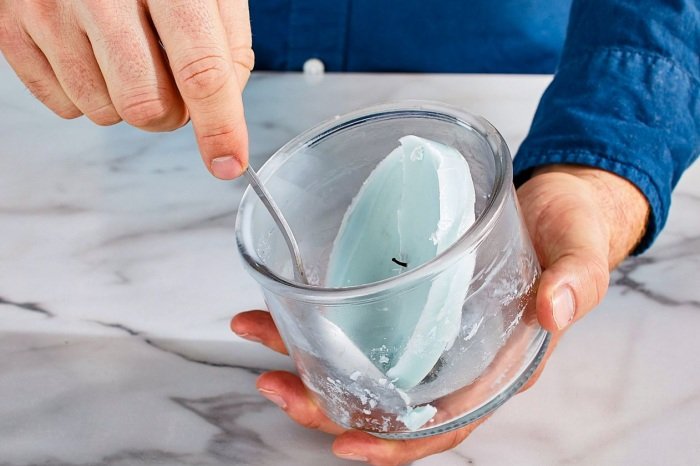
This cold-temperature method exploits wax’s natural contraction when chilled, creating effortless separation from glass surfaces. It’s ideal for votive holders, tealights, and small containers where heat risks cracking thin glass. Never attempt this with hot wax still in the holder—sudden temperature shifts cause immediate shattering.
Quick Freezer Method
Place your completely cooled holder directly into the freezer for 60 minutes. As wax contracts at low temperatures, it pulls away from the glass. After freezing, firmly tap the holder’s base into your palm—the wax should release in satisfying chunks. For stubborn residue, gently work the edge with a plastic spoon (metal could scratch). Any remaining film wipes away with a cotton ball dipped in baby oil, followed by a quick soapy water rinse. This entire process takes just 15 minutes with zero liquid mess.
Refrigerator Alternative
When freezer space is limited, refrigerate holders overnight. The slower cooling rate (35-40°F) prevents thermal shock in delicate antique glass or thin-walled votives. While less dramatic than freezing, the gradual contraction still creates separation. This passive method requires no monitoring—simply set holders in the fridge before bed and pop out wax with your morning coffee.
Zero-Mess Benefits
Unlike hot water techniques, freezing eliminates liquid entirely. No boiling, no spills, and no risk of wax entering plumbing. It’s the safest choice for holders with intricate designs where wax hides in crevices. Plus, you can process multiple holders simultaneously without special equipment—just clear a shelf and wait.
Melt Wax with Hot Water
This heat-based approach liquefies wax for floating removal, perfect for jar candles and pillar holders. Always start by scraping excess wax with a butter knife—cut shallow slits to break thick layers into chunks before applying water. Skipping this step risks incomplete removal.
Standard Boiling Water Technique
Pour boiling water into the holder until wax is submerged. Watch as paraffin melts and floats to the surface like golden islands. After 30 minutes of cooling, the wax solidifies into an easy-to-remove disk. Lift it with a spoon, then strain water through cheesecloth before disposal. Critical warning: Never pour wax down drains—even small amounts accumulate into clogs. Soy wax users get an advantage: its lower melting point (130-150°F) means very hot tap water often suffices, reducing thermal shock risks for delicate holders.
Double Boiler Variation
For multiple holders or thin wax films, create a gentle water bath. Line a saucepan with a tea towel, place holders upside-down, and add boiling water until it reaches the wax line (without entering the holder). The indirect heat softens wax in 5-10 minutes for effortless spoon removal. This method prevents direct temperature contact that cracks glass—ideal for textured surfaces where wax hides.
Oven-Based Wax Removal
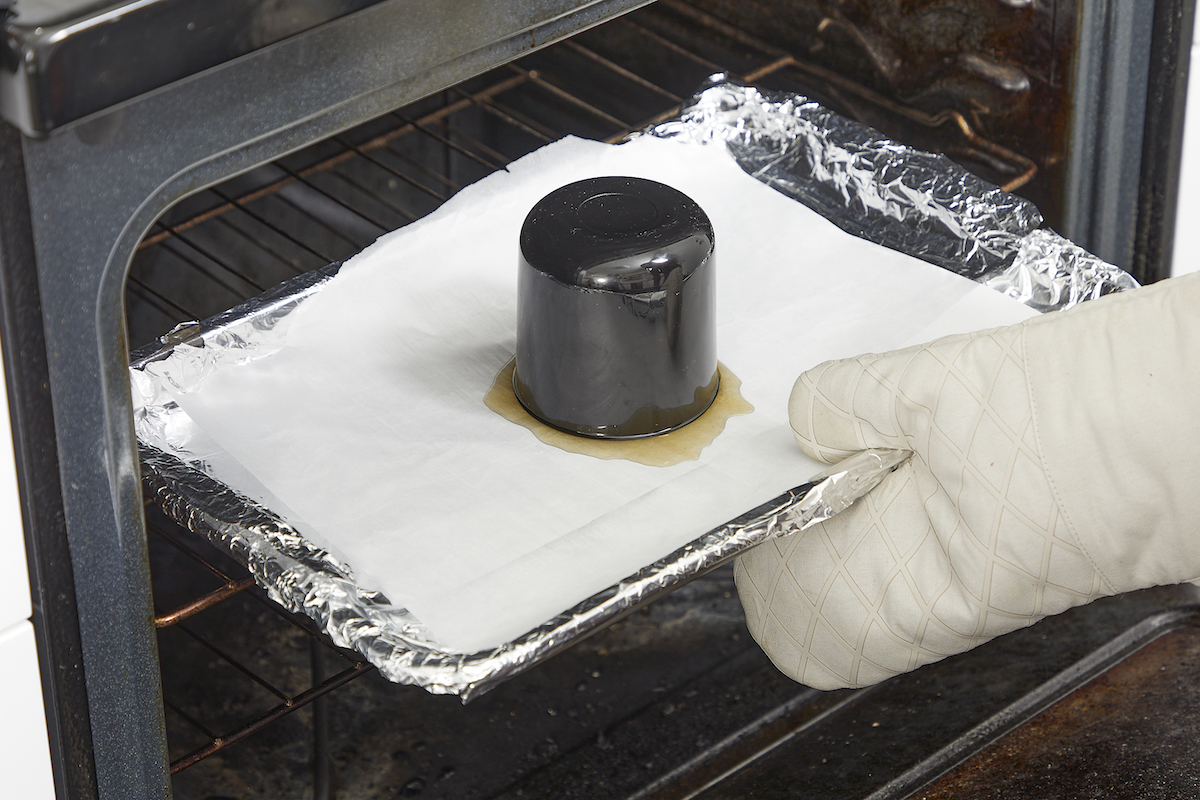
Your oven becomes a wax-melting workstation for batch processing. Always preheat to the lowest setting (200°F)—higher temperatures risk thermal shock. Line a metal baking sheet with aluminum foil first to catch drips.
Basic Oven Technique
Place holders upside-down on the foil-lined sheet. Bake for 5-10 minutes until wax liquefies and drips away. Remove with oven mitts (glass retains heat dangerously long!) and wipe residual film with paper towels while warm. For stubborn holders, place an inch of room-temperature water in the holder first—this buffers temperature changes. Never microwave glass candle holders directly; one user reported shattering when adding boiling water immediately after heating.
Multiple Holder Method
Stack holders in a disposable foil take-out container for better air circulation. At 250°F, wax drains into the container within 8 minutes. After cooling, crumple the foil with hardened wax for mess-free disposal. Save the wax-coated foil as camping fire-starters—a clever reuse that avoids waste.
Prevent Glass Cracking During Cleaning

Temperature shock causes 90% of candle holder breakage during cleaning. Never move glass directly from freezer to hot water—the rapid expansion cracks it instantly. Always allow gradual transitions: let frozen holders sit at room temperature for 15 minutes before applying warmth.
Microwave Caution Protocol
If using microwave heating (not recommended for beginners), use 15-second bursts max. Place an inch of room-temperature water in the holder first to buffer heat. Always use potholders—even “cool” glass can scald. One critical user error: adding boiling water directly to microwave-warmed holders. The safer sequence: microwave 15 seconds → wait 2 minutes → add warm (not boiling) water.
Fragile Holder Protection
Line sink bottoms with towels when cleaning antique or thin-walled holders. This cushioning prevents chips from accidental drops. For hurricane lamps, use the refrigerator method overnight—its gentle cooling preserves structural integrity better than freezer extremes.
Speed Up Future Cleaning
The ultimate wax removal trick requires zero special techniques. When blowing out candles, wait 2-3 minutes until wax cools but remains pliable, then peel drippings with your fingers. Warm wax lifts cleanly, preventing the hardening that necessitates intensive removal later. Monthly maintenance beats annual battles—thin wax layers remove in minutes versus hours for thick buildup.
Immediate Removal Trick
Keep a damp microfiber cloth nearby while candles burn. As drips cool slightly, wipe them immediately with the cloth’s edge. This “in-the-moment” approach takes 10 seconds per drip but saves 30 minutes of deep cleaning later. Store cleaned holders in airtight containers to prevent dust accumulation on residual oils.
Professional Disposal Methods
Never flush wax remnants down drains—even strained particles accumulate in pipes. Instead, pour melted wax into aluminum foil containers. Once cooled, crumple the foil around hardened wax for compact trash disposal. Eco-smart tip: Save wax-coated paper towels as fire-starters—they ignite easily and burn cleanly for camping.
Wax Recycling Options
Pour collected wax over pine cones or cardboard strips in foil molds. Once cooled, these homemade fire-starters last years. For soy wax holders, the lower melting point makes recycling simpler—just use hot tap water to extract pure wax without chemical residues.
Cleaning wax from glass candle holders becomes effortless when you match the method to your holder’s fragility and wax type. Freeze delicate votives overnight, melt thick paraffin with oven heat, or peel warm drips immediately after extinguishing candles—these expert-backed approaches prevent cracks and plumbing disasters. Remember the golden rule: never rush temperature changes. Your restored holders will showcase new candles with crystal clarity, transforming tabletops instantly. For immediate results with minimal effort, try the freezer method tonight—your glass deserves that flawless shine without the scrubbing struggle.