

That sticky residue coating your bamboo utensil holder isn’t just unsightly—it’s a bacteria breeding ground hiding in plain sight. When grease and food particles seep into bamboo’s porous surface, they create the perfect environment for mold and odors to thrive. Within weeks, your once-beautiful honey-toned holder can turn dull, warped, or develop stubborn stains that make daily cooking feel like a chore. The good news? Restoring it takes less than 20 minutes with common kitchen supplies and the right technique. This practical guide reveals exactly how to clean bamboo utensil holders safely while preventing cracks, warping, and mold—so you can keep this eco-friendly kitchen essential looking pristine for decades.
You’ll discover why standard cleaning methods destroy bamboo, which household items actually protect its natural fibers, and a foolproof drying process that prevents warping. Most importantly, you’ll learn the critical 30-second daily habit that stops deep cleaning from becoming necessary. Forget harsh chemicals or complicated routines—these proven techniques work with bamboo’s natural properties, not against them.
Empty and Shake Crumbs Daily Without Damage
Skipping this simple step turns minor debris into stubborn grime that requires aggressive scrubbing later. Every evening after dinner, completely empty your utensil holder over the trash can. Hold it upside down and give three firm downward shakes—this dislodges loose crumbs trapped in the base where moisture accumulates. For corners and crevices, use a soft-bristled toothbrush (never wire brushes) in gentle circular motions. This 30-second ritual prevents food particles from bonding with bamboo fibers, eliminating the need for harsh stain removers. If you notice crumbs clinging stubbornly, lightly tap the holder’s sides against your palm—avoid banging it on hard surfaces that could cause micro-cracks.
Why Immediate Spill Blotting Prevents Permanent Stains
When sauce splatters or oil drips onto your holder, every minute counts. Bamboo absorbs liquids rapidly through its natural grain, leading to dark, irreversible stains within hours. Keep a dedicated microfiber cloth near your cooking station specifically for utensil holder spills. At the first sign of moisture, blot—not wipe—the area firmly to absorb liquid before it penetrates. Pay special attention to the bottom interior where pooled liquids cause swelling and warping. For greasy spills, sprinkle a pinch of baking soda first to absorb oils, then brush away residue. Never let liquids sit longer than 60 seconds, especially acidic substances like vinegar or tomato sauce that etch bamboo surfaces.
Deep Clean Bamboo Holder With Safe Solutions

Standard dish soaps and hot water are bamboo’s worst enemies—they strip protective oils and invite cracks. For weekly deep cleaning, mix precisely 2 cups lukewarm water (never hot) with 1 teaspoon pH-neutral dish soap like Seventh Generation Free & Clear. Add 3 drops of fresh lemon juice for natural deodorizing power that lifts odors without bleaching. Avoid antibacterial soaps, bleach, or ammonia-based cleaners that degrade bamboo fibers. This solution cleans effectively while maintaining the wood’s natural moisture balance—critical for preventing splits.
Gentle Scrubbing Technique for Grease Removal
Dip a non-abrasive sponge like O-Cedar Microfiber Scrub Sponge into your solution and wring until barely damp. Starting from the top rim, work in small concentric circles downward toward the base where grease accumulates. Apply light pressure—bamboo scratches easily. For textured surfaces, use a soft vegetable brush with natural bristles. Rinse your sponge every 30 seconds in clean water to avoid redepositing grime. Focus extra attention on the bottom 2 inches where utensil handles deposit oils. If you see dark residue on your sponge, repeat the process until water runs clear. Never scrub against the bamboo grain, which creates visible scratches that trap bacteria.
Critical Drying Process That Prevents Warping
Rinsing improperly causes more damage than dirt itself. Hold your holder under lukewarm running water for exactly 10-15 seconds—any longer allows saturation. Immediately pat dry with a lint-free towel, rotating to absorb moisture from all angles. Then, stand it upright on a drying rack in a well-ventilated area away from direct sunlight. For fastest results, position a fan 3 feet away blowing across (not directly at) the holder for 30 minutes. Check for trapped water in the base by tilting it sideways—any remaining moisture will warp bamboo as it dries unevenly. Never use a hairdryer or oven for drying; extreme heat causes immediate cracking.
Remove Stubborn Stains Without Sanding
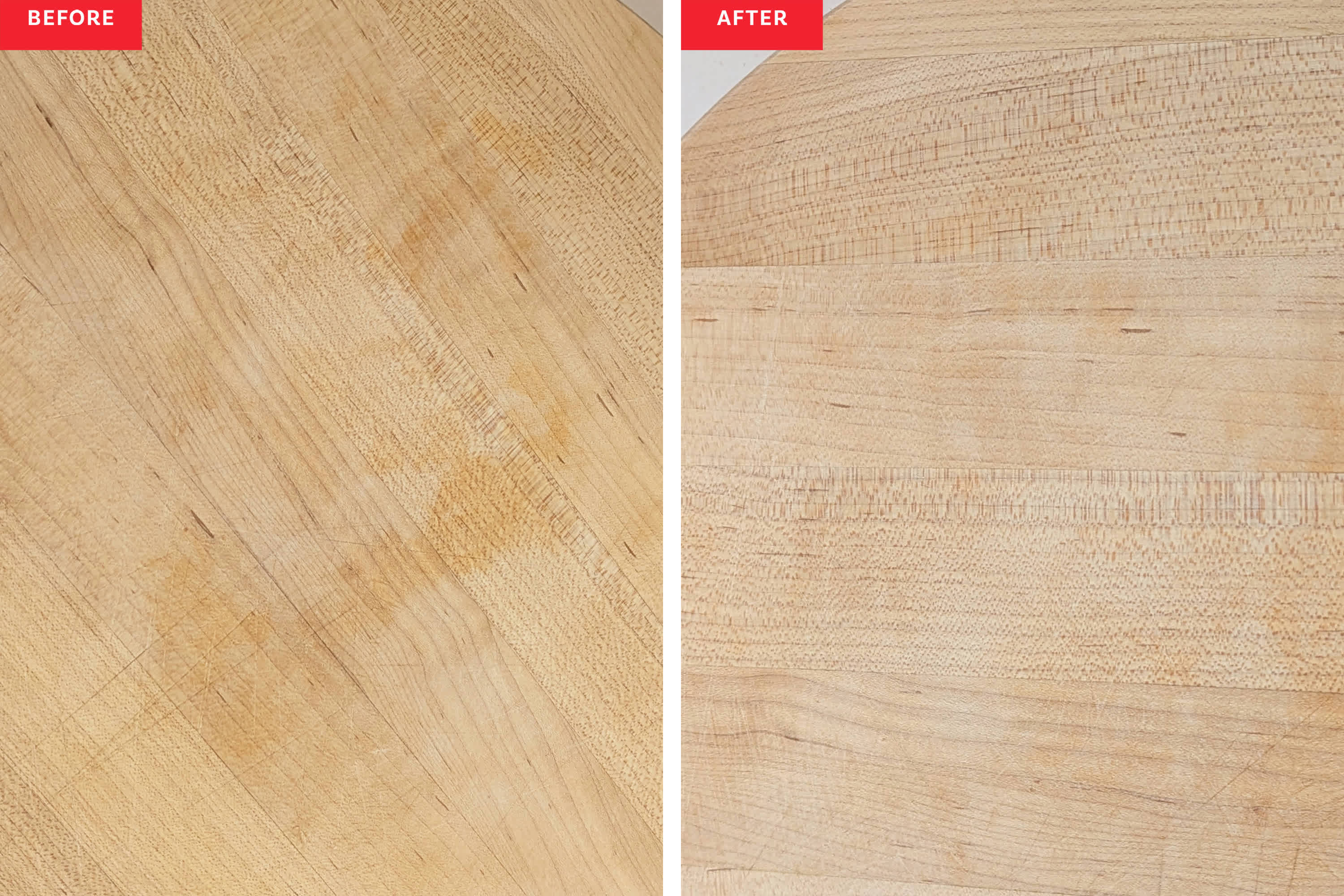
Coffee rings, sauce splatters, and oil stains become permanent if treated incorrectly. For light discoloration, the baking soda method works without altering bamboo’s texture. Combine 2 tablespoons baking soda with 1 teaspoon water to form a paste with toothpaste consistency. Apply directly to stained areas using circular motions with your fingertip or soft cloth. Let sit exactly 5 minutes (set a timer—overexposure dries bamboo), then rinse with damp sponge. This lifts most food-based stains while neutralizing odors. For dark sauce stains, repeat once if needed, but never leave paste on longer than 5 minutes.
Vinegar Treatment for Mold Spots Under Utensils
Mold often hides where utensil handles contact the holder’s interior. Mix equal parts white vinegar and water in a spray bottle and saturate affected areas. Let it bubble for 10 minutes—the acetic acid kills mold spores at the root. Wipe with a vinegar-dampened cloth, then rinse thoroughly with water. Any leftover vinegar smell dissipates within hours. Crucially, dry immediately with the fan method described earlier; residual moisture after treatment causes mold to return stronger. For recurring mold in the same spot, rotate utensil placement weekly to allow air circulation.
Prevent Future Buildup With Proactive Habits
Daily wiping prevents 80% of deep cleaning needs, but these strategies create long-term protection. After monthly deep cleaning, apply food-grade mineral oil to replenish natural oils lost during washing. Place 3-4 drops on a microfiber cloth and rub into bamboo using the grain direction until no shine remains. Let it absorb overnight—the oil creates an invisible barrier against stains. Reapply when the surface looks pale or feels rough. Never use olive or vegetable oils that turn rancid and attract pests.
Paper Lining Trick for Effortless Maintenance
Cut parchment paper to fit your holder’s base and replace it weekly. This catches drips before they contact bamboo, eliminating base stains. For extra protection, sprinkle 1/4 teaspoon baking soda under the paper—it absorbs moisture and neutralizes odors. When changing liners, wipe the bare bamboo base with a dry cloth to remove any residual oils. This simple habit extends time between deep cleans by 3-4 weeks. Avoid wax paper which melts under heat and leaves sticky residue.
Avoid These 3 Bamboo-Killing Mistakes
Soaking bamboo for “thorough cleaning” causes irreversible damage in under 5 minutes. Waterlogged fibers swell unevenly, creating permanent warping visible as cupped sides or raised grain. Even brief submersion weakens structural integrity, leading to cracks during normal use. Always clean with a damp (not wet) sponge and limit water exposure to 30 seconds. If your holder gets accidentally soaked, dry it immediately using the fan method and apply mineral oil within 24 hours to minimize damage.
Why Dishwashers Ruin Bamboo Utensil Holders
The intense heat and steam cycles in dishwashers cause microscopic fractures that worsen with each wash. Even “dishwasher-safe” bamboo holders fail within 2-3 cycles as detergents strip natural oils. High temperatures during drying cycles make bamboo brittle—most cracks appear after removal from the dishwasher. Always hand-wash with lukewarm water. If you must sanitize, wipe with a 70% isopropyl alcohol solution and dry immediately; never run bamboo through any dishwasher cycle.
Restore Dried-Out Bamboo Before Cracks Form
Pale gray patches and rough, splintery texture signal dangerously dry bamboo. Catch these early signs before cracks appear. Gently flex the holder—if it creaks or feels brittle, it needs immediate conditioning. For severe dryness, warm 1 tablespoon fractionated coconut oil (which stays liquid) for 10 seconds and massage into the surface. Let it absorb for 2 hours, then buff off excess. Repeat weekly until the honey color returns. For hairline cracks, work mineral oil into splits with a toothpick, then wrap rubber bands around the holder for 24 hours to encourage fibers to swell closed.
Your Bamboo Utensil Holder Care Cheat Sheet
| Frequency | Action | Critical Tip |
|---|---|---|
| Daily | Empty, shake, wipe interior | Blot spills within 60 seconds |
| Weekly | Soap solution cleaning | Never soak—max 15 sec rinse |
| Monthly | Deep clean + oil treatment | Use only food-grade mineral oil |
| As Needed | Stain removal | Test hydrogen peroxide on hidden spot first |
When mold appears, treat immediately with vinegar—delaying allows spores to penetrate deeper. At the first sign of warping, apply oil and place a heavy book inside to reshape while drying. Never store your holder in damp cabinets; display it where air circulates freely.
Consistent care transforms your bamboo utensil holder from a maintenance headache into a lasting kitchen heirloom. By dedicating just two minutes daily to shaking out debris and blotting spills, you’ll avoid 90% of deep cleaning emergencies. Remember: bamboo thrives with gentle, oil-based maintenance—not aggressive scrubbing. Within weeks, you’ll notice how quickly it develops a richer patina that tells the story of your kitchen adventures. Start tonight with that 30-second shake routine, and in six months, you’ll have a holder that looks better than the day you bought it—while keeping your cooking space truly hygienic.