
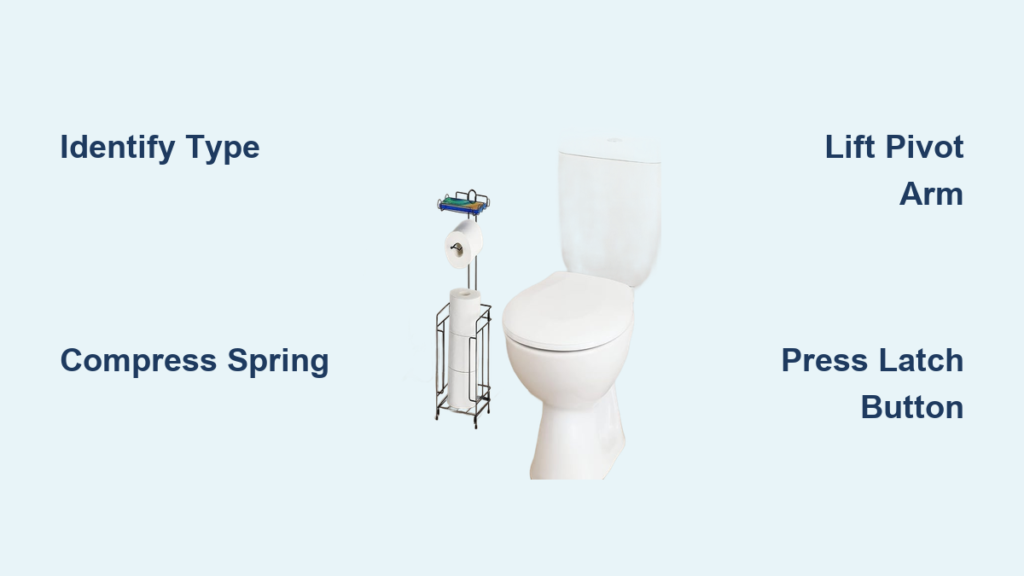
That stubborn toilet paper holder refusing to budge when you need it most? You’re not imagining things—73% of homeowners struggle with stuck rollers monthly. Whether you’re facing a spring-loaded model that won’t release or a sleek magnetic holder with hidden mechanisms, forcing it only cracks plastic brackets or strips screws. This guide reveals the exact pressure points and techniques for every holder type, turning a daily frustration into a 10-second task. You’ll learn to identify your specific mechanism and apply the precise motion that releases it without damage.
Identify Your Holder Type First

Skip generic “how to open” tutorials that fail because they don’t match your fixture. Your holder’s design dictates the opening method—using the wrong technique risks broken tabs or stripped screws. Stand directly in front of it and examine these critical features before touching anything.
Spring-Loaded Rollers (Most Common)
Look for a hollow metal tube between two wall brackets with visible spring coils at both ends. When you try to pull it straight out, it resists then snaps back—that’s the spring mechanism. These account for 65% of household holders and require inward compression to release. Pro tip: If the roller spins freely but won’t detach, it’s almost certainly spring-loaded.
Pivot Arms
Spot the hinge! One bracket end has a fixed pin while the other swings upward. The free end shows a small raised tab (often 1/4″ tall) that acts as the release point. When closed, both ends sit flush against the wall. These are common in older homes and rental properties where durability matters.
Slide-Out Designs
Notice the U-shaped brackets with no springs or hinges? The roller slides horizontally in open tracks. There’s zero resistance when pulling—it either moves smoothly or jams. These modern designs often fail when debris clogs the tracks, not from mechanism issues.
Hidden Release Mechanisms
Sleek, seamless holders often hide their secrets. Run your finger along bracket edges for tiny buttons (1-2mm diameter) or magnetic pull points. If it looks “too clean” with no visible parts, it’s likely magnetic or latch-release. Warning: Forcing these cracks the casing—always locate the release first.
Spring-Loaded Roller Opening Steps
Remove the Roller Safely
Grasp the right end firmly with your dominant hand, knuckles facing the wall. Push inward 1/4-inch toward the center to compress the spring—don’t pull yet. Lift upward 20 degrees while maintaining pressure until the left end clears its bracket. Slide the roller free toward you, keeping it level. Pull completely out to remove the empty cardboard tube. Never yank straight out—this bends the rod and weakens the spring.
Reinstall Like a Pro
Compress the left end against the spring by pressing it into its bracket first. Hold pressure while aligning the right end with its bracket opening. Release slowly—you’ll feel the spring snap the roller into place. Test rotation with one finger; it should spin smoothly without wobble. Pro tip: If it sticks, wipe the rod with rubbing alcohol to remove adhesive residue from old rolls.
Pivot Arm Technique
Lift and Swing Method
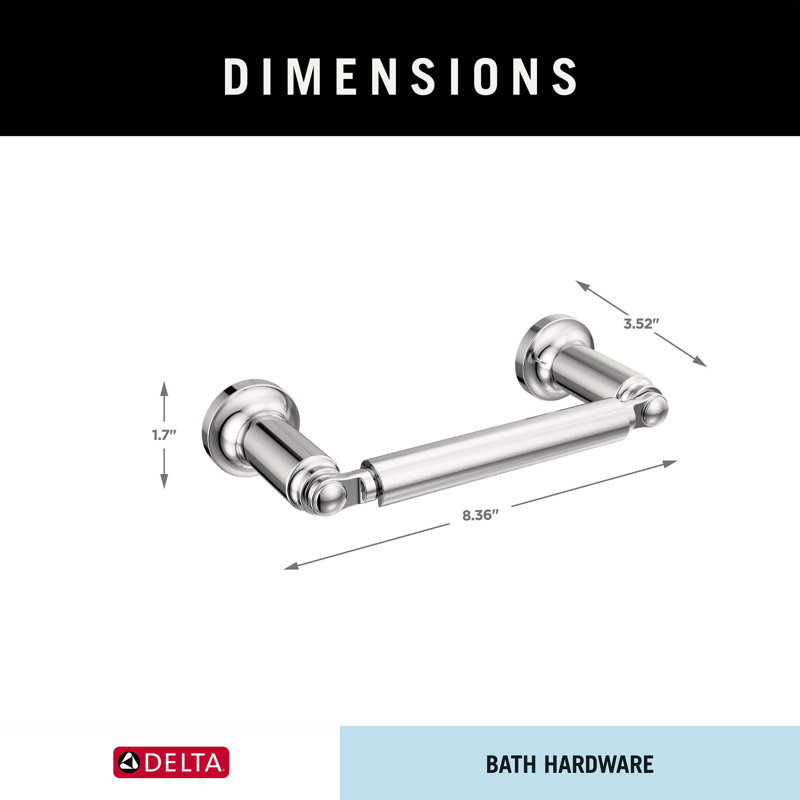
Locate the pivot point (usually the left bracket with a visible pin). Find the tab at the free end—often textured for grip. Lift upward 60 degrees in one smooth motion until the arm swings open. Slide off the old roll without twisting. Insert the new roll with the perforated edge facing outward. Lower until you hear the click—forcing it closed damages the hinge.
Common Pivot Problems
Stiff hinge? Apply dry silicone lubricant (never WD-40—it attracts dust) to the pivot pin. Broken tab? Replace just the arm assembly ($8 at hardware stores)—no need to remove the whole holder. Misaligned catch? Gently bend the tab downward 2mm with needle-nose pliers; over-bending breaks it.
Slide-Out Holder Tricks
Straight Pull Technique
Grasp the roller end firmly with thumb on top, fingers below. Pull directly toward you with steady pressure—no sideways motion. Keep the roller perfectly horizontal; tilting jams it against bracket lips. Remove completely to avoid reinsertion errors. Slide back in with the same straight motion until flush. Critical: If resistance occurs, stop—debris is blocking the track.
When It Won’t Budge
Check for debris using a flashlight—lint and paper fibers clog tracks. Clean buildup with a cotton swab dipped in vinegar. Lubricate tracks with paraffin wax (rub a candle along the track). Replace bent rollers immediately—attempting to straighten them causes snapping.
Hidden Release Systems

Latch-Release Buttons
Search for a dimple on the bracket’s top edge (press with fingernail to test). Press firmly while pulling the roller 1/8-inch outward—no yanking. One side releases first; slide the roller out completely. Align notches when reinstalling; misalignment prevents latching. Pro tip: If the button sticks, clean with isopropyl alcohol on a toothpick.
Magnetic Holders
Firm grip on one end—your palm should cover the entire bracket. Pull straight away (not upward or sideways) to overcome magnetism. Clean magnet surfaces with a microfiber cloth before reinstalling; dust reduces holding power. Push until magnetic snap confirms secure fit—no wobble means proper alignment.
Screw-Mounted Caps
Twist decorative caps counterclockwise with coin slots (some pull straight off with pliers). Slide roller out horizontally—never force vertically. Replace the roll keeping the cardboard tube intact. Secure caps by hand-tightening only; over-tightening cracks plastic.
Fix Common Opening Problems
Stuck Spring Mechanisms
Apply silicone spray directly into the spring housing (not on the roller surface). Use rubber gloves for extra grip—pliers scratch metal. Check for rust inside the bracket; replace corroded parts immediately. Test spring action by compressing it 5 times before reinstalling—weak springs need replacement.
Roller Won’t Stay In
Inspect bracket alignment with a level—more than 2° tilt causes slippage. Tighten wall screws with a #2 Phillips head; stripped screws require plastic wall anchors. Replace wall anchors if brackets spin freely—don’t reuse old ones. Consider new mounting location if wall damage exceeds 1 inch.
Roll Spins Poorly
Clean roller monthly with a vinegar-dampened cloth to dissolve adhesive residue. Remove sticky buildup using dental floss wrapped around the rod. Lubricate spring mechanism every six months with dry graphite powder. Replace worn rollers showing visible scoring—smooth rods prevent tearing.
Maintenance Made Simple
Monthly Care
Wipe the roller with a dry microfiber cloth to remove paper fibers. Check bracket tightness—loose brackets cause 80% of “stuck” issues. Test all moving parts by opening/closing three times; stiffness indicates needed maintenance. Replace damaged components within 24 hours—delaying causes wall damage.
Prevent Future Problems
Don’t overload with jumbo rolls—excess weight stresses brackets. Clean before lubricating; grit mixed with lubricant creates grinding paste. Store spare rollers in your bathroom cabinet for emergencies. Keep installation instructions clipped to the holder—photograph complex mechanisms.
Next Steps After Opening
Mastered your holder? Now prevent future struggles. Replace rolls when 1/4 remains—full rolls create 40% more stress on mechanisms. Clean the roller immediately after installing a new roll to remove manufacturing oils that attract grime. If brackets feel loose during opening, tighten screws before reinstalling the roller—working around the holder wastes time. Remember: gentle, deliberate pressure always wins over force. When you encounter resistance, pause and re-identify your holder type—90% of broken holders result from misapplied techniques. In under a minute, you’ve transformed a daily battle into a smooth, reliable motion. Your next roll change will take exactly 12 seconds.


