
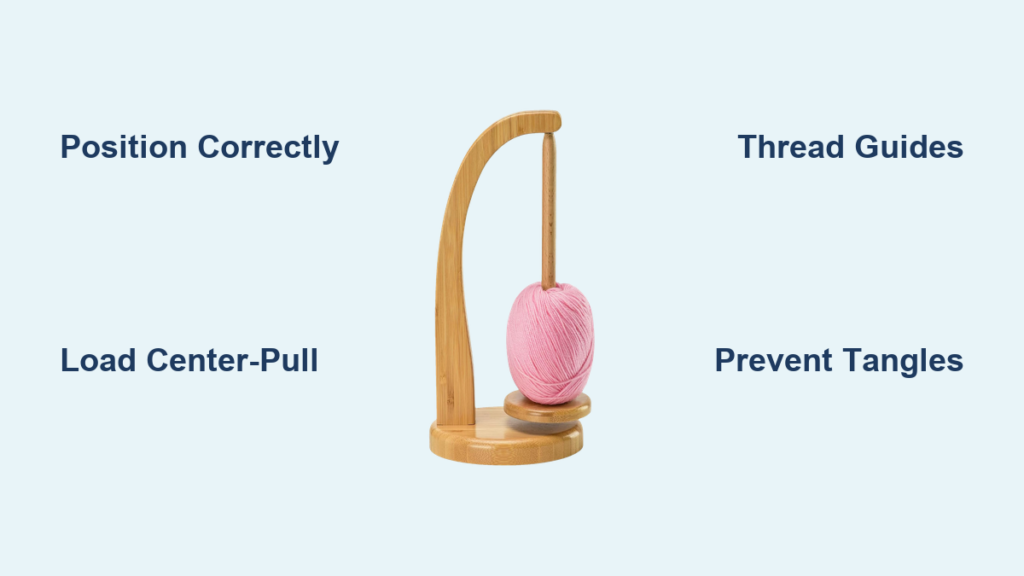
Your knitting needles fly as you create the perfect lace shawl, but suddenly your yarn ball zips across the room, unraveling through cat hair and under furniture. This frustration ends the moment you master how to use a yarn holder properly. These simple tools transform chaotic crafting into a smooth, meditative experience by keeping yarn contained, tension consistent, and your workspace pet-hair free. Whether you’re a beginner tackling your first scarf or an expert working intricate colorwork, understanding yarn holder techniques prevents wasted time and ruined projects. You’ll discover exactly where to position your holder, how to thread different yarn weights, and quick fixes for common tangles—all within this essential guide.
Stop wrestling with runaway skeins that snag on chair legs or collect dust bunnies. A properly used yarn holder maintains steady tension for even stitches while protecting delicate fibers from damage. By the end of this guide, you’ll load center-pull skeins like a pro, troubleshoot snags in seconds, and organize multi-color projects with confidence. Let’s transform your crafting chaos into calm efficiency.
Select Your Ideal Yarn Holder Type

Ceramic Bowls for Home Studio Stability
Choose ceramic yarn holders when crafting at home for unmatched stability and decorative flair. Their substantial weight prevents shifting during vigorous knitting, while the smooth glazed interior ensures snag-free yarn flow. Opt for medium-sized bowls with deep spiral grooves if you work with worsted-weight yarns, or select shallow, wide designs for bulky fibers. The curved cut-out along the rim guides yarn at the perfect angle—just ensure the groove width matches your yarn thickness to prevent jamming. These holders double as beautiful shelf decor when not in use, though their fragility makes them less ideal for travel.
Portable Wooden Holders for On-the-Go Projects
Pack lightweight wooden yarn holders for coffee shop knitting or vacation crafting sessions. Crafted from smooth hardwoods like maple or cherry, they prevent fiber snags while offering natural beauty through unique wood grain patterns. Look for models with multiple internal guides if you frequently work stranded colorwork—these keep strands separated and tensioned evenly. Always position the grain pattern perpendicular to the yarn path to minimize catching, and carry a small bottle of mineral oil for occasional conditioning. Unlike ceramic options, these withstand travel knocks while still providing enough weight to stay put on cafe tables.
Travel-Ready Plastic and Hanging Solutions
Grab snap-lid plastic holders with transparent bodies when commuting or traveling—these protect yarn from dust while letting you monitor remaining yardage. The lightweight design won’t weigh down your project bag, and top-rack dishwasher safety makes cleanup effortless. For complex multi-skein projects like Fair Isle sweaters, switch to hanging dispensers that suspend yarn from above. Clamp these to your chair or table edge to eliminate floor contact entirely, preventing pet hair collection and reducing yarn twist. Adjust the height so yarn feeds downward at a 45-degree angle for optimal tension control during color changes.
Position for Perfect Tension Control
Optimal Distance and Surface Setup
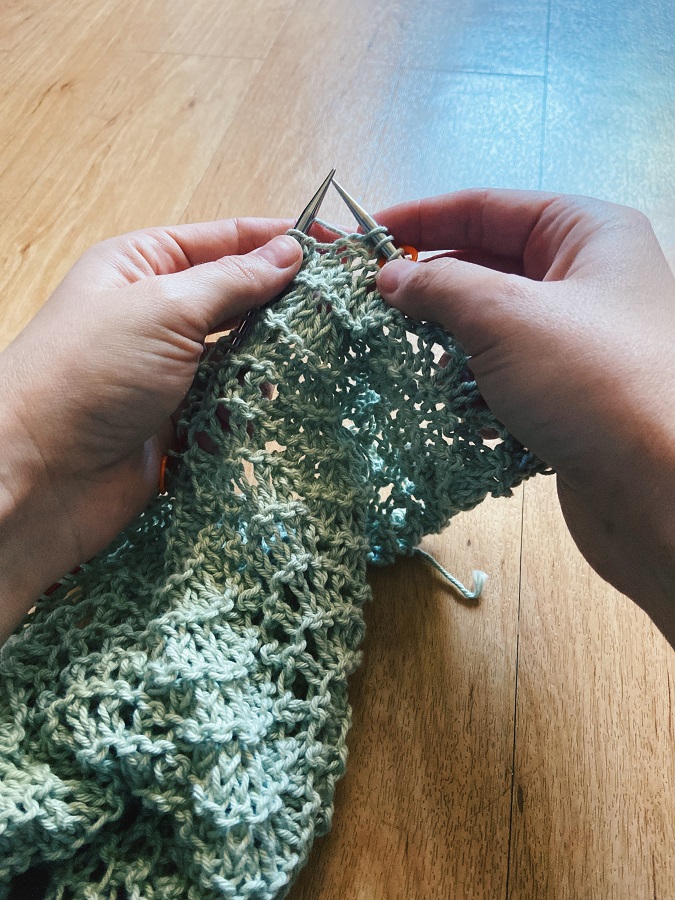
Place your yarn holder precisely 12-18 inches from your needles on a stable, flat surface—this critical distance maintains consistent tension without straining your wrists. If your table is slippery, anchor the holder with a non-slip mat or silicone trivet to prevent frustrating slides mid-row. Left-handed crafters should position the holder to their left and reverse the yarn path through guides. Test your setup by gently pulling yarn: it should glide smoothly with slight resistance, not snap taut or drag heavily. Adjust the distance in 2-inch increments until your stitches form evenly without constant tension adjustments.
Left-Handed Adjustments for Smooth Flow
Left-handed knitters must flip standard positioning guidelines to avoid twisted yarn disasters. Place your holder to the left of your work area and thread yarn through guides in reverse order. When testing tension, mimic your actual knitting motion—if the yarn feeds backward through the guide, rotate the entire holder 180 degrees. Some wooden holders feature symmetrical grooves that work equally well for both hand orientations; look for these “ambidextrous” designs if sharing tools with right-handed crafters. Always perform a 10-stitch test row before committing to complex patterns.
Load Yarn Without Creating Tangles
Pre-Loading Inspection Protocol
Before placing yarn in your holder, remove all packaging bands and gently shake the skein to loosen compressed fibers—this prevents internal tangles that surface mid-project. Check for knots by slowly unwinding the outer layer; if found, carefully untie them rather than cutting (which creates new ends to weave in later). For center-pull skeins, locate the inner end by feeling for the yarn tail tucked inside the bundle, then pull out 6-8 inches before placing in the holder. Outer-pull skeins need 2-3 feet unwound first. Never cram yarn into the holder—this compresses fibers and creates feeding resistance.
Center-Pull vs. Outer-End Loading Techniques
Master center-pull loading to avoid the “yarn tornado” effect: place the skein in the holder with the inner tail emerging upward, then thread that tail through the guide. For traditional skeins, position the yarn so the outer end feeds smoothly from the top layer without crossing over itself. Pull 8-12 inches of slack through the guide before starting your project—this prevents immediate tension spikes. If working with hand-dyed variegated yarn, note the color sequence as you load it to maintain intentional patterning. Pro tip: rewind problematic skeins into center-pull cakes using a swift and ball winder before loading.
Thread Guides for Snag-Free Stitching
Standard Threading Method for Smooth Feeding
Feed yarn through your holder’s guide from the inside to the outside—this critical direction prevents accidental doubling back. Pull 8-12 inches of slack through the guide, then test movement by gently tugging: yarn should glide with consistent resistance, not jerk or stick. If fibers catch at sharp edges, sand wooden guides with 400-grit paper or apply a drop of beeswax to ceramic grooves. For slippery silk or nylon blends, add a half-hitch knot around the guide point to create necessary friction. Always position the guide so yarn feeds at a downward angle toward your needles to prevent lift-off.
Managing Multiple Colors in Complex Projects
When working stranded colorwork, assign each color to a separate guide slot if your holder has them, or use individual holders arranged in color sequence. Place stitch markers on yarn tails with corresponding color names written on masking tape. Maintain 1-2 inches of space between strands to prevent accidental twisting—this is crucial for Norwegian knitting with 4+ colors. For large projects, label holders with project names and color codes using waterproof markers. If guides aren’t sufficient, consider bag-style holders with internal compartments that keep strands completely separated while allowing compact storage.
Maintain Consistent Tension Throughout Projects
Real-Time Tension Adjustment Tactics
If stitches suddenly tighten, move your holder 2-3 inches closer to your work area; if they loosen, increase the distance. For lightweight plastic holders that slide during use, add stability by placing them inside a heavier ceramic bowl. Rotate your yarn ball every 10-15 minutes to prevent over-twisting—this is especially critical with plied yarns that naturally torque. When tension feels uneven, pause and check if the yarn has looped around the holder’s rim; gently free it without yanking. Always maintain steady, rhythmic pulling motions—jerkiness creates inconsistent stitches that ruin drape.
Yarn Flow Optimization for Delicate Fibers
Fine laceweight or silk-blend yarns require special handling: use holders with narrow, polished guides to prevent splitting. Place a small clip on the yarn tail inside the holder to keep it from tangling with the working end. For high-twist yarns like sock weight, periodically flip the ball over to reverse torque direction. If fibers develop stubborn twists, remove the yarn completely, drape it over your shoulders to untwist, then reload. Never force tangled yarn through guides—this damages fibers and worsens snarls. Keep a dedicated “delicate yarn” holder with extra-smooth finishes for precious fibers.
Fix Common Problems Within 60 Seconds
Instant Tangle Resolution Protocol
When tangles strike, immediately stop pulling and gently shake the yarn holder to loosen snarls. If knots persist, remove the entire skein and drape it over your spread fingers (“butterflying”) to identify crossing points. Work knots loose with a blunt tapestry needle—never cut unless absolutely necessary. For recurring tangles, rewind the yarn into a center-pull cake before reloading. Prevention is key: always inspect new yarn for factory knots before loading, and rotate balls regularly during use. Keep a small container of yarn conditioner nearby for dry, brittle fibers prone to snagging.
Guide Snagging and Holder Stability Fixes
Address rough guide edges immediately by sanding wooden holders with fine steel wool or applying candle wax to ceramic grooves. For persistent snags on delicate mohair, thread yarn through a smooth plastic straw taped over the guide point. If your holder slides during use, attach non-slip drawer liner underneath or place it inside a silicone baking mat with the grippy side down. For travel emergencies, secure lightweight holders by wedging them between books in your project bag. Never ignore minor wobble—this accelerates into major tension issues within just a few rows.
Organize Colorwork Projects Like a Pro
Multi-Color Holder Systems for Seamless Transitions
Create a color map matching each yarn to a specific holder position (e.g., “Holder 1 = Main Color, Holder 2 = Contrast”). Use colored rubber bands around holder bases corresponding to your yarn shades. For complex patterns like intarsia, place holders on a tray with labeled compartments that you can rotate toward your dominant hand. When switching colors, always carry the unused strand loosely up the side—never cut unless changing every few stitches. Keep a small notebook tracking which holder holds each color batch to avoid mid-project confusion.
Travel-Proofing Your Yarn Setup
Before moving your project, secure yarn ends with locking stitch markers clipped to the holder’s edge. For lidded plastic holders, snap the lid shut with 6 inches of yarn tail protruding through the guide slot. Choose collapsible fabric holders for suitcase storage—they compress flat while keeping guides intact. Always pack an extra empty holder in your project bag; you’ll need it when joining new skeins mid-travel. Pro tip: wrap tension-sensitive yarns like alpaca in tissue paper before loading to prevent compaction during transit.
Clean and Store Holders for Longevity
Material-Specific Maintenance Routines
Hand-wash ceramic holders in lukewarm water with mild dish soap after every 3-4 projects, scrubbing guide grooves with an old toothbrush to remove fiber buildup. Dry completely upright for 24 hours before reuse to prevent moisture damage. For wooden holders, wipe guides with a barely damp cloth after each session and apply food-safe mineral oil monthly to prevent cracking. Plastic holders can go in the dishwasher’s top rack, but inspect for warping afterward. Never soak wooden or ceramic holders—this causes irreversible damage.
Smart Storage Solutions for Craft Rooms
Store holders completely dry in a climate-controlled space away from direct sunlight, which fades wood finishes and weakens ceramics. Nest smaller ceramic bowls inside larger ones to save shelf space, but place tissue paper between them to prevent chipping. Keep delicate decorative holders in their original boxes with silica gel packets to absorb humidity. For travel holders, store them open with the lid inverted to maintain shape. Label holders by yarn weight (e.g., “Lace,” “Worsted”) for instant project matching.
Safety and Daily Performance Checks
Pre-Use Safety Verification Steps
Before each crafting session, run your fingers along guide edges to detect hidden chips—especially critical for ceramic holders where sharp fragments could cut yarn or skin. Ensure hanging dispensers are securely clamped to stable surfaces above knee height to prevent falls. Keep all holders away from pets who may treat yarn as a toy, and never leave projects unattended where small children could entangle themselves. If using glass holders (not recommended), place them in low-traffic zones with soft landing surfaces below.
Five-Second Daily Readiness Checklist
Verify your holder passes these checks before starting:
– Clean guide (no fiber buildup causing snags)
– Stable placement (no sliding on surface)
– Smooth yarn flow (test-pull 6 inches)
– Correct distance (12-18 inches from needles)
– Tangle-free yarn (visually confirm no loops)
Skip this step, and you’ll waste precious crafting time untangling preventable messes. Reset your holder position every time you resume a project—yarn tension changes as skeins deplete.
Mastering how to use a yarn holder eliminates the #1 frustration in fiber arts: wasted time untangling runaway yarn. Start with proper positioning and threading techniques today to achieve professional-looking tension in every stitch. As you gain confidence, experiment with specialized holders for complex colorwork or delicate fibers—your future self will thank you when finishing that heirloom sweater without a single dropped stitch. Remember to perform quick safety checks before each session and clean guides monthly for lifelong tool reliability. Now grab your favorite skein, position your holder just right, and enjoy the smooth, meditative flow only perfect yarn management provides.


