
Few kitchen frustrations rival reaching for an egg only to discover a cracked shell or spoiled contents. An egg holder transforms this daily gamble into organized confidence, but only when used correctly. Whether you’re transferring fresh farm eggs or optimizing refrigerator space, mastering this simple tool prevents waste, extends freshness, and creates an intentional kitchen flow. You’ll discover that proper egg holder use isn’t just about storage—it’s about building a system that works with your cooking habits and kitchen layout.
This guide walks through every aspect—from loading technique to troubleshooting sticky situations—ensuring your egg holder becomes your most reliable kitchen ally. By the end, you’ll know exactly how to use an egg holder to maximize freshness, prevent waste, and streamline your meal preparation.
Select Your Perfect Egg Holder Type
Refrigerator vs Countertop Models
Refrigerator holders excel at long-term storage with their molded compartments and stackable designs. These clear plastic containers cradle each egg point-down, preventing rolling damage while maintaining 35-40°F temperatures. Most accommodate 12-18 eggs across two rows, fitting neatly on refrigerator shelves away from the temperature-fluctuating door.
Countertop holders prioritize daily access and aesthetic appeal. Wire baskets, ceramic dishes, and decorative containers store 6-12 eggs at room temperature (68-72°F), ideal for eggs you’ll use within days. Open designs allow air circulation while keeping eggs visible and accessible—perfect near your coffee maker or cooking station.
Critical consideration: Match holder capacity to your household’s egg consumption. A family of four might need an 18-egg refrigerator holder plus a 6-egg countertop model, while singles often find success with a single 6-egg countertop holder.
Specialty Options for Specific Needs
Egg skelters use gravity-fed rotation—load new eggs at the top, oldest roll forward naturally. Deviled egg trays feature molded indentations for serving. Insulated carriers protect eggs during transport with secure latching systems and foam padding.
Pro tip: If you frequently bake, consider a specialty holder with measurement markings for recipe accuracy. Some premium models even include egg timers for perfect hard-boiling.
Load Eggs Correctly Every Time

Point-Down Refrigerator Method
Store eggs pointed end down. This centers the yolk and prevents the air cell (located in the large end) from breaking internal membranes. The positioning keeps the yolk away from the air pocket, dramatically slowing aging.
Steps:
1. Remove eggs from carton
2. Inspect each shell for cracks
3. Place gently into individual compartments
4. Ensure pointed end faces downward
5. Close lid firmly to prevent door-shift damage
Warning: Never force eggs into compartments—they should fit snugly but without pressure that could cause microfractures.
Countertop Storage Technique
For countertop holders, create a single layer without stacking. Place holders on stable, level surfaces away from heat sources. If using an egg skelter, maintain the rotation system by always adding new eggs to the top tier.
Critical: Never store cracked eggs. Even hairline cracks allow bacteria entry—use these eggs immediately or discard. When in doubt, perform the water float test before consumption.
Master Rotation and Organization

First-In, First-Out System
Prevent waste by implementing simple rotation:
– Label sections with purchase dates using removable stickers
– Place new eggs behind existing ones in traditional holders
– Use egg skelters for automatic gravity rotation
– Number compartments 1-12, moving clockwise as eggs are used
Pro tip: Write the purchase date directly on your egg holder’s bottom with a dry-erase marker for quick reference.
Partial Carton Integration
When transferring from store cartons, maintain original orientation and date information. Keep the carton nearby as backup storage or reference for expiration tracking.
Quick method: Transfer eggs in batches—keep your most recent purchase in the holder while storing older eggs in the carton at the back of your refrigerator.
Clean and Maintain Your Holder
Daily Quick Maintenance
Spend 30 seconds each day:
– Wipe surfaces with clean, damp cloth
– Remove shell fragments or residue
– Check for leaks or broken eggs
– Ensure compartments are dry
Warning: Never place eggs back in the holder after they’ve been used in cooking—this invites cross-contamination.
Deep Cleaning Protocol
Weekly thorough cleaning:
1. Empty all eggs into original carton temporarily
2. Wash with warm, soapy water
3. Rinse completely to remove soap film
4. Sanitize with 1 tablespoon bleach per gallon water
5. Air dry 24 hours (ceramic/wood) or use dishwasher top rack (plastic)
Pro tip: Add white vinegar to your cleaning routine monthly to eliminate stubborn mineral deposits from hard water areas.
Material-Specific Care
Plastic: Dishwasher safe, avoid high heat
Ceramic: Hand wash only, prevent chips
Metal: Dry immediately to prevent rust
Wood: Oil monthly with food-grade mineral oil
Optimize Temperature Control
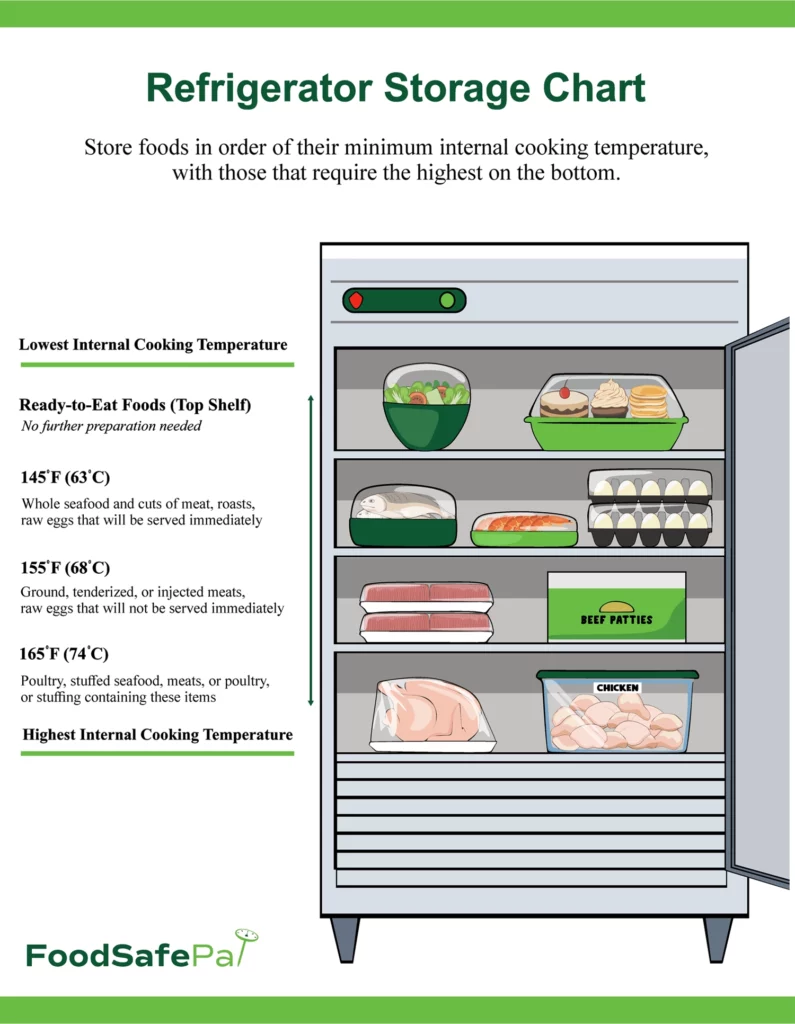
Refrigerator Zone Placement
Store holders in the main refrigerator body—never the door where temperature fluctuates. Ideal range: 35-40°F. Measure your fridge’s zones with an appliance thermometer to find the most stable spot.
Pro tip: Test multiple locations in your refrigerator over 24 hours to identify the most consistent temperature zone for your egg holder.
Room Temperature Guidelines
Countertop holders work best at 68-72°F. Avoid locations near:
– Ovens or stovetops
– Dishwashers
– Direct sunlight through windows
Warning: In hot climates (above 85°F), always refrigerate eggs regardless of holder type—room temperature storage becomes unsafe.
Temperature Transition Protocol
When moving eggs from refrigerator to countertop, leave them in the holder for 30 minutes at room temperature. This prevents condensation formation that can encourage bacterial growth.
Troubleshoot Common Problems
Fixing Stuck Eggs
Eggs stick when holders retain moisture. Solutions:
– Ensure complete drying before loading
– Lightly dust compartments with cornstarch
– Check for hairline cracks causing leakage
Pro tip: If an egg sticks, gently rotate it while pulling upward—never yank, which could break the shell.
Eliminating Persistent Odors
Plastic holders absorb odors over time. Eliminate them by:
1. Soaking in baking soda solution (2 tablespoons per cup water)
2. Letting sit for 4-6 hours
3. Rinsing thoroughly and air drying
Maximizing Limited Space
For small refrigerators:
– Use stackable models
– Measure shelf height before purchase
– Consider slimline designs for door storage
– Utilize vertical space with tiered holders
Special Storage Considerations
Farm Fresh Egg Protocol
Unwashed farm eggs retain natural protective bloom, allowing countertop storage for two weeks. Once washed, refrigerate immediately. Always verify local regulations for unwashed egg sales.
Critical: If you’re unsure whether farm eggs were washed, refrigerate them—better safe than sorry.
Size Variation Solutions
Jumbo egg problems: Standard compartments may not fit. Solutions include:
– Measuring existing holders before jumbo purchases
– Buying specialized jumbo-capacity models
– Using wire baskets for flexible sizing
Pro tip: When shopping for eggs, bring your holder along to test fit before purchasing specialty sizes.
Holiday Baking Adjustments
During high-usage periods:
– Deploy multiple holders rather than overfilling
– Switch to 18-24 egg capacity models temporarily
– Designate one holder for specific recipes
– Plan ahead for increased rotation needs
Time-saving trick: During holiday baking seasons, keep a small countertop holder with your most frequently used eggs near your workspace while storing backups in the refrigerator.
Your egg holder is more than storage—it’s a freshness management system. By implementing these techniques for how to use an egg holder properly, you’ll reduce waste, extend egg life, and create a more intentional kitchen routine. Start with proper loading technique today, then layer in rotation systems and cleaning schedules as habits form. The perfect breakfast egg awaits, safely cradled and properly aged in your expertly managed holder. Remember that consistency matters more than perfection—small daily improvements in how you use an egg holder will compound into significant kitchen efficiency gains over time.


