
That moment when your meditation session gets ruined by ash scattering across your coffee table? Or when the smoke alarm shrieks because you placed the holder too close to the curtain? Proper incense holder technique transforms these frustrations into serene, hazard-free experiences. Knowing exactly how to use an incense holder prevents fire hazards, extends your incense’s lifespan, and ensures clean, consistent smoke flow. This guide cuts through guesswork with actionable steps for every holder type—so you get the calming ambiance without the cleanup headaches or safety scares.
Select Your Incense Holder Based on Burn Style
Stick Incense Ash Catchers: Prevent Messy Spills
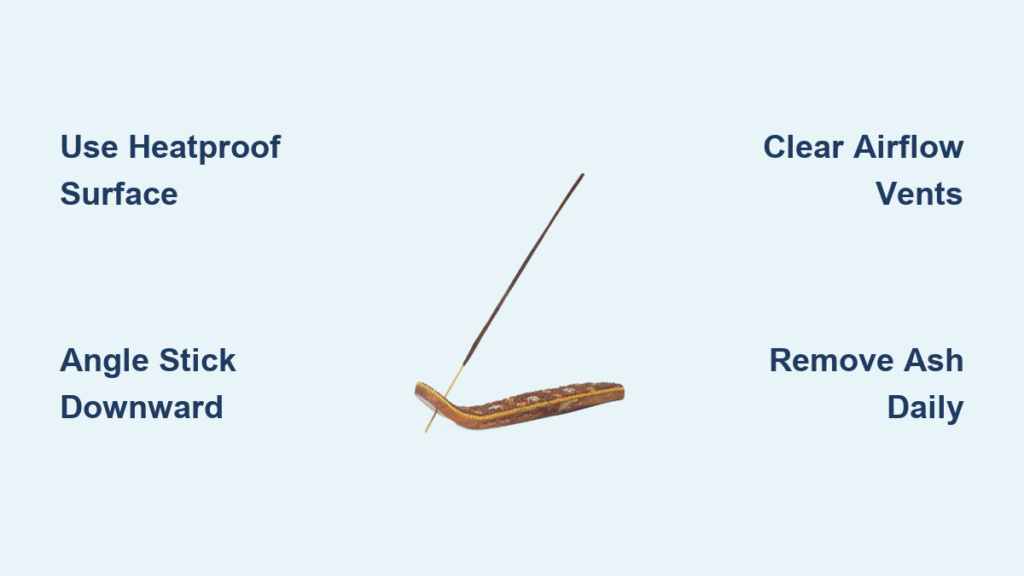
Wooden or ceramic stick holders feature a narrow groove and angled hole designed to trap ash before it hits your surfaces. Place it on heatproof stone or ceramic tiles—never bare wood or plastic. Insert the uncoated end at a 45-degree downward angle into the hole. Light the tip for 5 seconds, then blow out the flame until only glowing embers remain. Watch ash collect neatly in the groove as it burns. Critical mistake: Forcing the stick straight up causes ash to scatter sideways. Always angle downward.
Cone Holders: Stop Ash Overflow Instantly
Bowl-shaped ceramic or stone holders with 1-inch raised edges contain cone ash effectively. Center the cone flat-side down on the holder’s base—never tilt it. Light only the pointed tip until it glows red (10 seconds max), then blow out flames. Cones burn downward in a spiral, so uneven placement makes ash spill over edges. Pro tip: Place a folded paper towel under the holder during first-time use. If ash leaks, reposition the cone immediately.
Backflow Holders: Create Smoke Waterfalls Correctly
These tiered ceramic holders only work with specialized backflow cones (regular cones won’t cascade). Insert the cone’s flat base into the top chamber hole. Light the tip, and within 30 seconds, smoke should flow downward like a waterfall. Why it fails: Humid air or blocked airflow holes stop the cascade. Blow gently through the holder’s bottom vents before lighting to clear debris.
Execute Fire-Safe Lighting Procedures

Avoid Burns and Surface Damage
Hold sticks ONLY at the uncoated end—coated sections ignite instantly when touched. Use a 6-inch safety lighter to keep fingers clear. After lighting, blow horizontally across the tip (not downward) to avoid ash scattering. Test surface heat after 2 minutes: if the holder feels hot to touch, move it to a stone slab immediately. Never place holders on windowsills—drafts tip them over.
Emergency Readiness Checklist
Keep these within arm’s reach before lighting:
– A ceramic bowl filled with sand (to smother flames)
– Metal tongs for moving hot holders
– Damp microfiber cloth (to douse sparks)
– Timer set for 25 minutes (max safe unattended time)
Critical rule: If smoke becomes thick within 60 seconds, extinguish immediately—this indicates poor ventilation.
Troubleshoot Burning Failures in Under 5 Minutes
Fix Damp Incense That Won’t Stay Lit
Humidity is the #1 cause of sputtering incense. Store sticks/cones in airtight jars with silica gel packs. If incense won’t ignite:
1. Rub the tip vigorously with coarse sandpaper for 10 seconds
2. Hold near (not over) a hairdryer on low for 20 seconds
3. Relight while shielding from drafts with cupped hands
Do NOT use matches twice—residual chemicals cause uneven burns.
Stop Ash Overflow During Long Burns
Standard stick holders overflow after 15 minutes. Solve this:
– For 30+ minute sessions: Use a holder with a 3-inch ash groove
– Mid-burn rescue: Gently tap the stick over the groove to dislodge ash buildup
– Never blow on ash—it scatters hot embers
Warning: Overflowing ash means your holder is too small—upgrade immediately.
Clean Holders to Prevent Scent Contamination
Daily Ash Removal Protocol
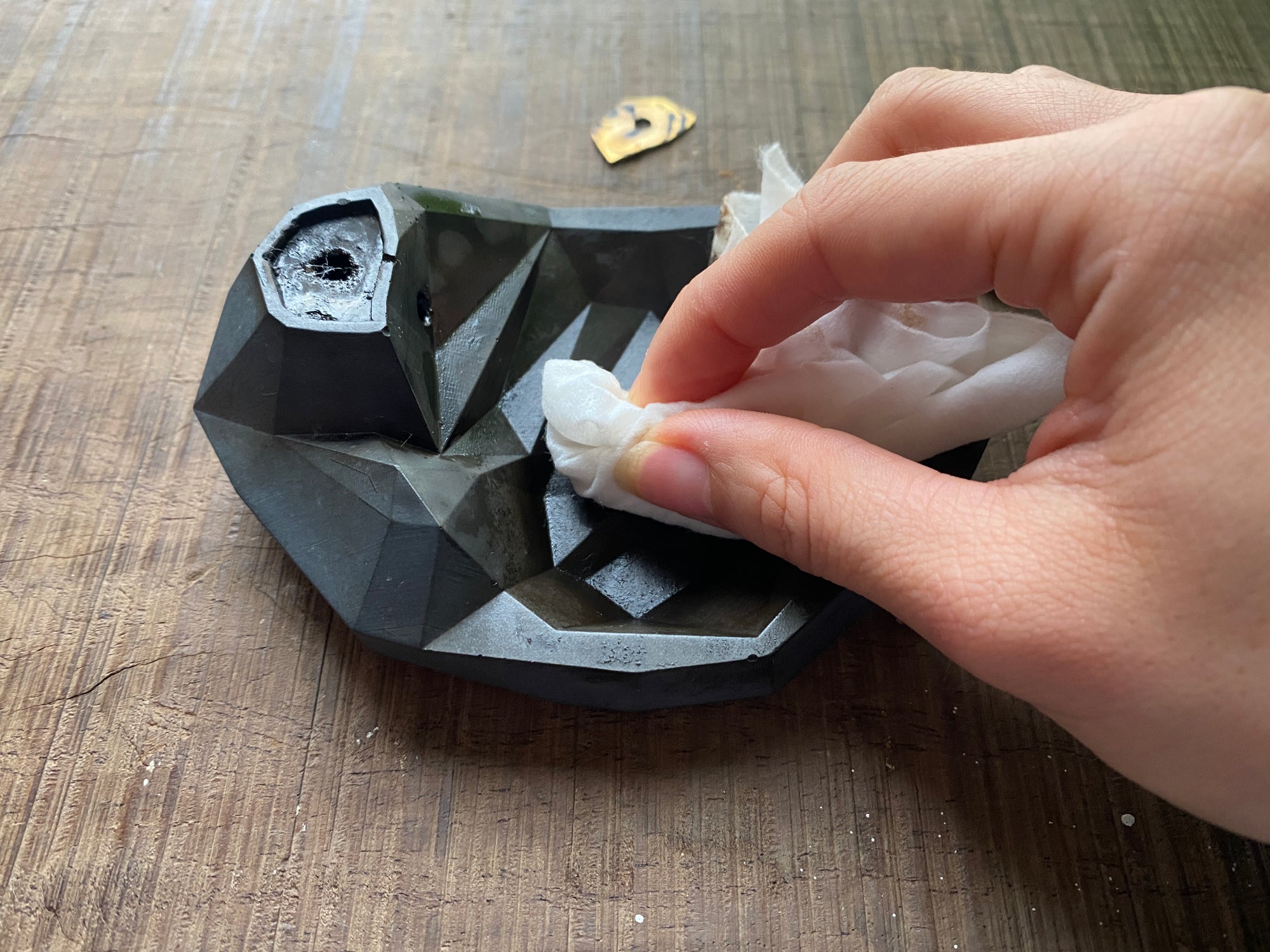
Wait 30 minutes after burning—ash looks cool but can reignite. Use metal tongs to transfer ash into an outdoor metal bucket. Wipe surfaces with a dry microfiber cloth (damp cloths trap oils). Check for cracks along grooves—hairline fractures cause ash leaks.
Material-Specific Deep Cleaning
Do this weekly to avoid “burnt toast” smells:
– Ceramic holders: Soak in warm vinegar-water (1:1) for 10 minutes. Scrub with soft toothbrush.
– Wood holders: Rub with lemon half, then apply beeswax polish. Never submerge in water.
– Metal holders: Polish with baking soda paste to remove rust spots.
Never use: Bleach or ammonia—they leave toxic residues that alter future scents.
Optimize Placement for Maximum Scent Distribution
Position Holders for Even Fragrance Flow
Place holders 3-4 feet from windows with curtains closed. This creates gentle airflow that distributes smoke without drafts. Avoid corners—the scent pools unevenly. Best spots: Center of dining tables or flanking bookshelves. Never in hallways—foot traffic disrupts smoke patterns.
Time Burns to Match Your Routine
Standard sticks burn 35 minutes; cones last 22 minutes. Sync sessions:
– Morning focus: Light at 7:00 AM (burns until 7:35)
– Meditation: Start at top of the hour (ends when session finishes)
– Evening wind-down: Light 45 minutes before bed
Pro hack: Place holder on a small mirror—it reflects light and contains stray ash.
Store Incense and Holders to Preserve Quality
Prevent Scent Mixing in Storage
Separate strong and light scents in different containers:
– Sandalwood/jasmine: Store in opaque ceramic jars
– Citrus/floral: Use glass jars away from heat sources
– Always include silica gel packs in humid climates
Critical error: Storing cones upright—they loosen and crumble. Lay flat in divided tins.
Protect Delicate Holders During Off-Seasons
Wrap ceramic holders in acid-free tissue paper, not newspaper (ink transfers). Nest small bowls inside larger ones with cloth padding between layers. Store vertically in cabinets—not under sinks where humidity damages wood. Test holders before reuse: check for hairline cracks by holding against light.
Respect Space Boundaries in Shared Environments
Avoid Scent Conflicts with Housemates
Always announce burning sessions 10 minutes beforehand via text or note. Use low-smoke sandalwood or lavender in common areas—avoid heavy musks. Limit sessions to 20 minutes in shared spaces. If someone complains: Switch to incense cones labeled “mild scent” or use an essential oil diffuser instead.
Emergency Shutdown Protocol
If smoke alarms activate or someone coughs persistently:
1. Blow out incense immediately
2. Open all windows wide
3. Place holder outside on non-flammable surface
4. Run ceiling fan on high for 10 minutes
Never leave the room until air clears completely.
Mastering how to use an incense holder turns chaotic smoke into intentional calm. Start with a heavy ceramic stick holder on a stone tile—this combo prevents 90% of common issues. Remember the 12-inch clearance rule from flammables, and always have sand nearby for emergencies. Within one week of applying these steps, you’ll notice cleaner burns, longer-lasting incense, and zero ash cleanup. For your next session, try lighting near an open window (but not in the draft) to watch smoke flow like liquid—this simple adjustment creates the smoothest scent distribution. Your sanctuary awaits; burn safely.


