
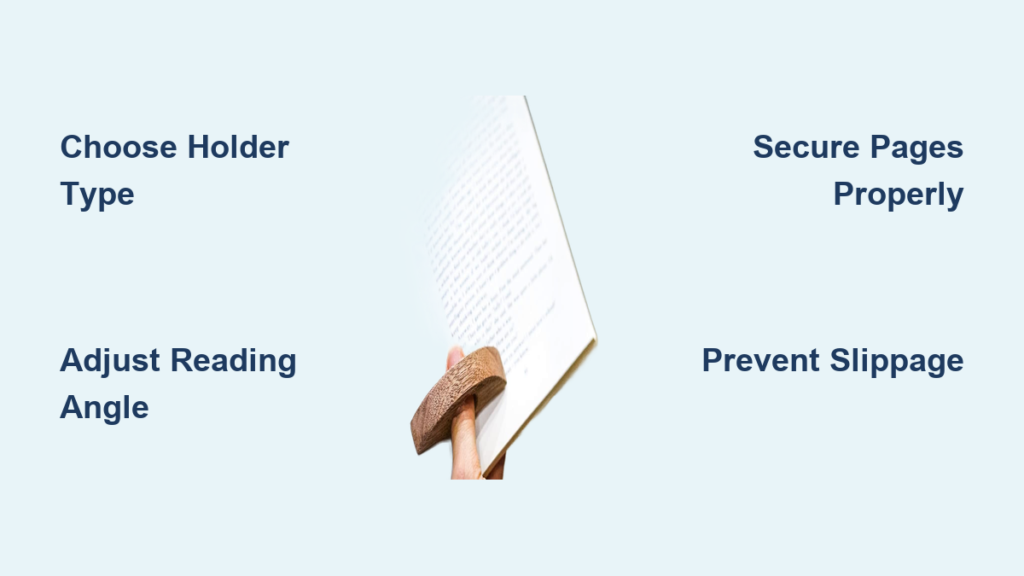
Have you ever struggled to keep your cookbook open while measuring ingredients, only to have it snap shut as you reach for the next item? Or found yourself constantly adjusting heavy textbooks during study sessions, leaving your fingers sore and your concentration broken? Learning how to use book page holder properly transforms these frustrating moments into seamless, hands-free reading experiences. These ingenious devices do far more than simply prop books open—they prevent spine damage, accommodate physical limitations, and create ergonomic reading stations that enhance both comfort and productivity.
Whether you’re a student juggling multiple reference books, a musician following sheet music, or someone who simply loves reading while sipping coffee, mastering book page holder techniques will revolutionize your reading experience. This guide covers everything from selecting the perfect holder for your needs to advanced multi-book setups that professional researchers swear by—all designed to help you implement proper book page holder usage immediately.
Choose Your Ideal Book Holder

Match Holder Type to Reading Style
Your reading environment dictates which holder category serves you best. Freestanding holders excel for desk-based study sessions with heavy textbooks, featuring weighted bases that remain stable regardless of book size. These typically accommodate books from pocket-sized paperbacks to oversized atlases without tipping, making them ideal when you need to know how to use book page holder for academic purposes.
Clip-on holders attach directly to your book or headboard, making them perfect for bedtime reading. Their portability lets you move from bedroom to couch without disassembly, and most fold down to wallet size for travel convenience. If you frequently read in multiple locations, this type offers the most flexibility in your book page holder usage.
Easel-style holders position books at optimal viewing angles like music stands. These shine in kitchen environments where recipe visibility meets splash resistance. Look for acrylic models that wipe clean easily while maintaining clear text visibility—essential for proper kitchen book page holder usage where spills are inevitable.
Assess Your Specific Needs
Consider your primary reading scenarios before selecting a holder. Students benefit from freestanding metal holders with adjustable width arms spanning 6-15 inches to accommodate various textbook sizes. Nighttime readers need lightweight clip-on models under 8 ounces that won’t damage book edges during extended use. Kitchen enthusiasts require water-resistant materials like powder-coated metals or sealed woods positioned at least 8 inches from heat sources for safe book page holder usage.
Pro Tip: Measure your most frequently used books before purchasing a holder—especially the thickest ones. This prevents the common mistake of buying a holder that can’t accommodate your reference materials, undermining your book page holder usage effectiveness.
Quick Holder Inspection Checklist
Before first use, examine these critical components to ensure proper book page holder usage:
– Test hinge smoothness and clamp tension—stiff mechanisms make page turning difficult
– Verify rubber padding integrity on contact points to prevent page tearing
– Check adjustment mechanism range for your typical book thickness
– Ensure weighted base stability (for freestanding models) by gently testing resistance to tipping
Position for Perfect Reading Angles

Desktop Ergonomic Setup
Position your holder 20-26 inches from your eyes at eye level to prevent neck strain. For seated reading, elevate the base 8-10 inches above desk surface using stable platforms or adjustable stands. Mark your optimal height settings with small adhesive labels for instant repositioning during future study sessions—this simple step dramatically improves your book page holder usage efficiency.
Warning: Never position your holder too close to your eyes, as this causes eye strain and reduces peripheral vision. Maintain at least an arm’s length distance for comfortable reading sessions.
Bedroom Reading Configuration
Angle your holder 15-20 degrees backward to eliminate overhead lighting glare. Clamp-on headboard holders provide ultimate stability, eliminating surface dependency entirely. Position these 12-18 inches above mattress level for comfortable supine reading—this precise height prevents neck strain during extended bedtime book page holder usage sessions.
Kitchen Counter Placement
Place holders at least 8 inches from stove edges to prevent heat damage. Use magnetic base holders on metal surfaces for stability, ensuring easy repositioning as workspace requirements change. Acrylic easel holders excel here, resisting cooking splashes while maintaining recipe visibility—critical for effective kitchen book page holder usage where spills happen frequently.
Master Hands-Free Reading Techniques
Book Placement Fundamentals
Position the book spine-first into the holder’s central groove, ensuring even spine rest without lateral pressure. Open to your desired section, then engage page-holding mechanisms gradually from center outward. This distributes pressure evenly across both page spreads, preventing binding stress and extending your book’s lifespan through proper book page holder usage.
Pro Tip: For hardcover books, slightly flex the spine inward before placing in the holder—this creates natural tension that helps pages stay open without excessive clamp pressure.
Smooth Page Transition System
Develop this systematic approach for seamless page turning:
1. Release the outermost clip first to minimize resistance
2. Support the page with your free hand while turning to prevent tearing
3. Guide page corners along holder edges using your index finger
4. Re-engage clips progressively from center outward
5. Ensure each new page lies flat without wrinkles
Practice this sequence with old magazines before attempting with valuable books. Most users develop muscle memory within 3-4 practice sessions, significantly improving their book page holder usage experience.
Prevent Common Usage Problems

Eliminate Page Slippage
When pages refuse to stay flat during book page holder usage, first clean gripping surfaces with microfiber cloths dampened with water. Increase tension gradually on adjustable mechanisms, testing each increment to avoid over-compression. For glossy magazine pages, use low-tack removable tape at corners to supplement holder grip without damaging pages.
Ensure Surface Stability
On uneven surfaces, use adjustable feet or wedge shims to level holder bases. Add supplementary weights to lightweight holders when using large books in drafty environments. Clamp-on headboard holders eliminate surface dependency entirely, providing consistent stability regardless of where you’re implementing book page holder usage.
Maintenance for Longevity
Weekly Cleaning Routine
Clean holder surfaces weekly using microfiber cloths slightly dampened with water. For kitchen-use holders exposed to grease, use mild dish soap solutions followed by thorough rinsing and complete air drying. Avoid harsh chemicals that degrade rubber padding or plastic components—proper maintenance extends your holder’s life and ensures consistent book page holder usage performance.
Quarterly Mechanical Inspection
Check all screws, bolts, and adjustment mechanisms for proper tightness. Apply silicone-based lubricants to metal joints, avoiding petroleum products that attract dust. Replace worn rubber padding immediately to prevent book damage—this simple quarterly maintenance task prevents 90% of common book page holder usage failures.
Quick Troubleshooting Reference
Problem: Pages keep springing closed during book page holder usage
Solution: Increase tension gradually, clean gripping surfaces, check for oil residue
Problem: Book won’t fit in holder
Solution: Extend arms incrementally, use dual-holder system for oversized books
Problem: Holder keeps tipping
Solution: Add base weights, use clamp-on models, check surface stability
Problem: Page edges tearing
Solution: Reduce grip tension, replace worn padding, check for sharp edges
Optimize Your Reading Experience
Lighting Integration Techniques
Position holders to minimize shadows by aligning with primary light sources at 45-degree angles. Use adjustable desk lamps with gooseneck designs for precise illumination. For bed reading, clip-on book lights attach directly to holders, providing focused light without disturbing others—this simple addition dramatically improves nighttime book page holder usage.
Develop Efficient Page-Turning
Practice single-handed page turning during short reading sessions. Use 25-minute Pomodoro intervals to establish rhythm between page turning and note-taking. Create standardized positioning protocols for different book types to minimize setup time when switching materials—these small adjustments compound into significant time savings during regular book page holder usage.
Pro Tip: Document your optimal settings for various book types using small labels on adjustment mechanisms. Most users achieve 50% faster setup times after two weeks of consistent book page holder usage.
Mastering how to use book page holder transforms reading from a physical struggle into a comfortable, efficient experience. Whether you’re conducting intensive research or simply enjoying leisure reading, these techniques ensure your books remain pristine while your posture stays comfortable. Start with basic placement methods, gradually incorporating advanced techniques as your confidence grows. Your books—and your neck—will thank you for making this simple yet powerful investment in reading comfort. With proper book page holder usage, you’ll wonder how you ever read without one.


