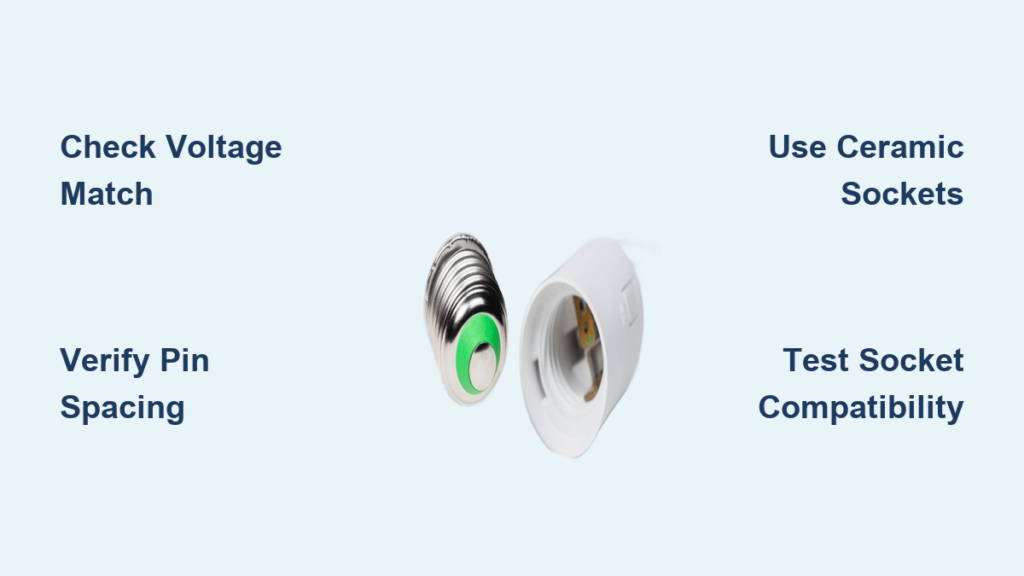
Swapping an LED bulb should take seconds—but mismatched lamp holders turn it into a frustrating puzzle. You’ve probably stood in a hardware aisle holding two nearly identical bulbs that refuse to fit the same fixture, or replaced a flickering bulb only to discover the socket itself is the culprit. With over 15 common LED lamp holder types in circulation today, confusion is inevitable. This guide cuts through the complexity with field-tested identification methods and compatibility hacks. You’ll learn exactly which socket matches your bulb, how to spot dangerous mismatches before they melt fixtures, and why some “universal” adapters actually create fire hazards. Stop guessing—start installing with confidence.
The wrong lamp holder doesn’t just prevent installation; it risks overheating, electrical shorts, and premature LED failure. Voltage mismatches can vaporize bulbs instantly, while subtle pin variations cause intermittent flickering that’s maddening to diagnose. Whether you’re retrofitting vintage chandeliers, upgrading parking lot fixtures, or troubleshooting recessed lighting, knowing these 10 critical LED lamp holder types saves costly callbacks and safety hazards. We’ve distilled manufacturer specs and electrician field notes into a visual reference you can use on the job site—no engineering degree required.
Screw-In LED Lamp Holder Types: E26, E27, E12 & E17 Compared

North American E26 and European E27 sockets appear identical but differ by 1mm in diameter. Crucially, LED bulbs work interchangeably in both because thread pitch remains identical—voltage matters more than diameter. Check your bulb’s label: “120V” bulbs belong in E26 fixtures, while “230-240V” requires E27. Forcing mismatched voltage causes immediate failure.
Why E12 Candelabra Holders Fail in Enclosed Fixtures
Chandeliers and wall sconces commonly use E12 candelabra bases with 12mm threads. Standard LED candles overheat in enclosed fixtures because plastic sockets can’t dissipate heat like incandescents. Critical fix: Only install bulbs labeled “Enclosed Fixture Rated.” Look for aluminum heat sinks near the base—these survive 5x longer in tight globes. If your existing LED flickers or dims prematurely, swap to a ceramic-bodied E12 holder rated for 90°C+ temperatures.
E17 Intermediate Socket Pitfalls in Microwaves
That 17mm E17 socket in your microwave or appliance requires specialized LEDs. Standard bulbs fail within weeks due to vibration damage. Pro solution: Seek bulbs with epoxy-coated drivers (not wire-wound components) and confirm “appliance rated” on packaging. When replacing, gently wiggle the bulb—if pins feel loose, the socket’s spring contacts are worn. Replace the holder before installing new LEDs to prevent arcing.
Pin-Base LED Sockets: GU10, GU5.3, G4 & G9 Compatibility Guide
GU10 twist-lock sockets power track lighting and downlights with two thick 10mm pins. Installation requires precise alignment: match the bulb’s flat edge to the socket’s wide slot, then rotate clockwise 90 degrees until it clicks. Never force it—bent pins cause poor contact and flickering. If the bulb spins freely, the socket’s internal spring tabs are broken. Replace the entire holder; bending tabs back rarely works long-term.
GU5.3 vs. GU10: The 12V/120V Explosion Risk
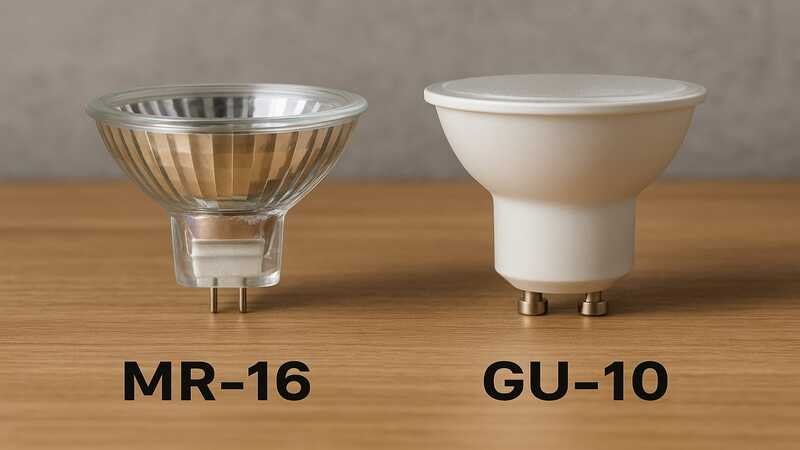
This is the most dangerous mismatch. GU5.3 sockets (for 12V MR16 LEDs) have 5.3mm pins and require a transformer. Plugging a 120V GU10 bulb into a GU5.3 socket causes instant bulb explosion due to voltage overload. Verify with a multimeter: GU5.3 sockets read 10-12V AC, while GU10 delivers line voltage. Always label low-voltage fixtures clearly during installation.
G4 & G9 Mini-Pin Confusion Solved
G4 (4mm pin spacing, 12V) and G9 (9mm spacing, 120V) bases look nearly identical but aren’t interchangeable. G4 bulbs often have bent pins for tight fixtures like under-cabinet lights, while G9 uses straight pins in vanity mirrors. Quick ID: G9 bulbs draw 3-7W; G4 draws 1-3W. Never swap them—G4 in 120V sockets melts the base within minutes.
Bayonet Cap Holders: B22 & BA15d Automotive/UK Sockets
B22 bayonet holders dominate UK/Australian fixtures with two side pins that push in and twist 30 degrees clockwise. Modern LED B22 bulbs include anti-flicker circuits, but older magnetic dimmers still cause strobing. Fix flickering: Install trailing-edge dimmers compatible with low-wattage LEDs, or add a 1W dummy load resistor across the fixture wires.
BA15d Double-Contact Base Hazards in Landscape Lighting
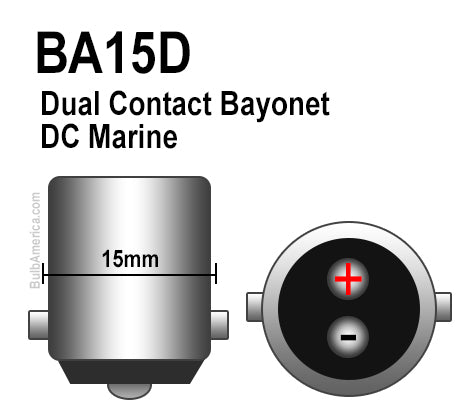
Common in automotive and outdoor path lights, BA15d bases have two bottom contacts requiring correct polarity. Some LEDs only work with positive-ground systems. Test before installing: Temporarily wire the bulb—reverse polarity causes instant failure. In damp locations, use silicone-sealed BA15d holders to prevent corrosion-induced flickering.
Specialty Holders for Tubes, High-Bay & Track Lighting
T8 LED tube retrofits demand non-shunted G13 tombstone sockets. Shunted versions short the pins together, preventing single-end powered LEDs from working. Test with a multimeter: Non-shunted sockets show open circuit between pins; shunted read near zero ohms. Always replace both tombstones simultaneously—mixing types causes uneven lighting.
MR16 GY6.35 Base: Straight-In 12V Fixtures
Unlike GU5.3, GY6.35 sockets (6.35mm pins, 6mm spacing) accept straight insertion—no twist. Common in display lighting, these require 12V AC transformers. Critical check: Measure pin diameter with calipers—GY6.35 pins are thicker (1.65mm) than GU5.3 (1.45mm). Forcing a GU5.3 bulb into GY6.35 sockets cracks the LED housing.
Socket Adapters: Safe Conversions vs. Fire Risks
E26 to GU24 twist adapters let you use standard bulbs in energy-code-compliant fixtures, but raise clearance issues. In shallow recessed cans, the adapter protrudes 1.5 inches—measuring fixture depth before buying prevents bulb contact with housing. Only use UL-listed adapters with ceramic bases; plastic versions melt under high heat.
E12 to E26 Extenders: Solving Deep Socket Problems
When candelabra bulbs won’t seat fully in vintage fixtures, E12-to-E26 extenders add 1-2 inches of reach. Safety first: Choose PBT plastic (not PVC) holders rated 150°C. PVC degrades at 80°C, causing brittle cracks. Install by screwing the extender into the original socket, then adding your E12 bulb—never force it if resistance is felt.
Voltage Checks That Prevent Meltdowns
Match voltage exactly: A 12V LED in 120V socket fails catastrophically. Check both bulb and socket labels—don’t assume based on base type. For high-bay E39 mogul fixtures (39mm), verify voltage tolerance: parking lot LEDs must handle 277-480V surges. Pro tip: Use a Kill-A-Watt meter to log actual voltage fluctuations—cheap bulbs fail during brownouts.
Heat Dissipation Fixes for Enclosed Fixtures
Plastic sockets in enclosed fixtures trap heat, reducing LED lifespan by 70%. Immediate upgrade: Replace with aluminum-bodied holders featuring finned heat sinks. For existing fixtures, drill 3-4 small ventilation holes in the housing top—never the sides where moisture enters.
Step-by-Step Socket Replacement in 5 Minutes
- Cut power at the breaker—test wires with a non-contact tester.
- Remove old socket: Unscrew retaining ring, then pull straight down while noting wire colors (black=hot, white=neutral).
- Prepare new holder: Strip 1/2 inch of insulation; twist stranded wires tightly.
- Secure connections: Match black to brass screw, white to silver; tighten until no copper shows.
- Test before final install: Restore power briefly to confirm no flickering.
Warning: Push-in wire connectors only accept solid-core 14 AWG wire. For stranded wire (common in fixtures), use Wago lever nuts—they prevent loose connections that cause arcing.
Troubleshooting Flickering & Melting Sockets
Flickering with tight bulbs? Corroded screw-shell contacts are likely. Unplug the fixture, then clean the socket’s center tab and threads with 220-grit sandpaper. Bend the center tab upward 2mm for firmer contact. If flickering persists, check for loose wire nuts in the junction box.
Browning or melted plastic? This signals dangerous overheating from wattage overload. Immediately replace with a ceramic socket and downsize your LED wattage. For example, swap a 15W-equivalent bulb (actual draw 2.5W) for a 10W-equivalent (1.8W draw)—the lower heat output prevents recurrence.
Quarterly Maintenance That Doubles Socket Life
- Clean contacts: Spray socket interiors with electronic contact cleaner (not WD-40!) quarterly.
- Tighten terminals: Vibration loosens screws—re-torque to 15 in-lbs annually.
- Inspect for cracks: Discard plastic holders with hairline fractures—they’re fire hazards.
- Check wire integrity: Frayed wires inside sockets require full replacement.
Pro tip: Label high-heat fixtures (like enclosed globes) with a “MAX 10W LED” sticker to prevent future overloads.
Final Note: Matching LED lamp holder types isn’t about guessing—it’s about precise voltage, pin, and thermal compatibility. When in doubt, measure pin spacing with calipers, verify voltage at the socket, and prioritize ceramic over plastic holders in high-heat zones. For specialty bases like E39 mogul or GY6.35, invest in industrial-grade sockets rated 105°C—they cost 20% more but last 3x longer. Bookmark this guide for your next bulb swap: you’ll cut installation time by 75% and eliminate dangerous mismatches for good.