That frustrating vibration during a critical cut? The mysterious runout ruining your surface finish? More often than not, the problem isn’t your expensive carbide end mill—it’s the connection between your tool and machine. Tool holder types serve as the critical interface that secures your cutting tool, transmits power from the spindle, and maintains precision during operation. Without selecting the right tool holder type for your specific application, even the highest-quality cutting tools become ineffective.
Whether you’re running high-speed aluminum work on a modern CNC or dialing in a manual Bridgeport for prototype work, understanding the strengths and limitations of different tool holder types makes the difference between profitable parts and expensive scrap. This guide cuts through the confusion with actionable information about every major tool holder system, helping you match the right holder to your machining requirements.
Bridgeport Mills and Drill Press Taper Systems
R8 Taper: The Manual Mill Workhorse
When you fire up your Bridgeport-style manual mill, the R8 taper is likely holding your tool in place. Despite common misconceptions, this isn’t technically a true taper according to Machinery’s Handbook standards. The R8 system uses a 3-1/16″ long straight shank secured by a 7/16″-20 threaded drawbar. Its 15/16″ long taper section features a precise 16.85° included angle that ensures reliable alignment during manual machining operations.
Unlike CNC tapers, the R8 relies on drawbar tension rather than centrifugal force for retention. This makes it ideal for manual operations where tool changes happen less frequently. You’ll notice the distinctive R8 taper when you see the tapered shank with its characteristic undercut section just above the flange.
Morse Taper Options for Drill Presses
Your drill press likely uses one of eight standardized Morse taper sizes (MT1 through MT8). The MT2 taper is most common for standard ½” capacity drill presses. These tapers come in three distinct configurations that dramatically affect how you use them:
- Tang style: Features a small protrusion that allows easy removal with a drift pin
- Threaded version: Designed for drawbar retention in vertical applications
- Flat configuration: Lacks both tang and threads for specialized mounting requirements
When selecting Morse taper tool holder types, always match the specific configuration to your machine’s requirements. Using a tang-style holder in a threaded spindle can cause dangerous ejection during operation.
CNC Machine Taper Systems Decoded
7:24 Taper Standards for CNC Operations
Most CNC machines use 7:24 taper systems, named for their 3.5:12 ratio. This shallow angle provides excellent repeatability and fast tool changes—the key reason CAT, BT, and NMTB holders dominate CNC shops. The 7:24 taper creates a reliable friction fit between holder and spindle while allowing quick automatic tool changer cycles.
These single-flange or dual-flange systems form the foundation of modern CNC tool holding. You’ll encounter them in spindle sizes 30, 35, 40, 45, and 50—numbers that correspond to the taper’s large end diameter in millimeters.
CAT vs BT Holder Compatibility Issues

Don’t assume CAT and BT holders are interchangeable—they’re not. While they look nearly identical at first glance, critical differences affect your machining results:
- CAT holders use inch-based retention knob threads (1-1/4″-12)
- BT holders feature metric threads (M16x2) and symmetrical construction
- Flange thickness variations prevent cross-compatibility despite similar appearances
BT holders generally offer superior balance for high-speed applications above 10,000 RPM. If you’re running aluminum at 15,000 RPM, the BT’s balanced design will deliver noticeably better surface finishes than a comparable CAT holder.
HSK System for High-Speed Demands
When your spindle speeds exceed 20,000 RPM, the HSK system becomes essential. Its 1:10 taper is significantly shallower than the 7:24 systems, and the dual-contact design engages both the spindle taper and face simultaneously. This creates dramatically improved rigidity and concentricity during high-speed operations.
Unlike traditional holders with external drawbars, HSK uses an internal mechanism that expands gripping fingers to secure the holder. You’ll immediately notice the difference when running small-diameter tools at extreme RPMs—the elimination of tool “chatter” makes HSK worth the investment for high-speed applications.
High-Speed Machining Tool Holder Requirements
Balance Failures Cost You Time and Money
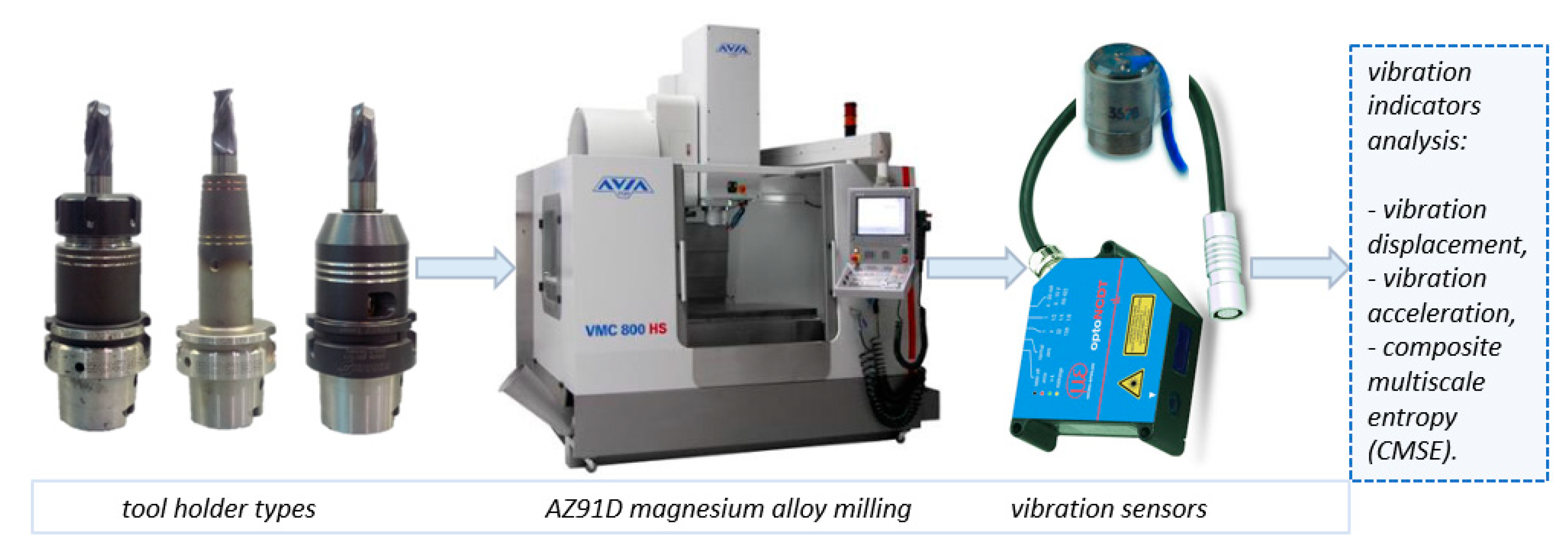
As your spindle speeds climb above 10,000 RPM, even minor imbalances in your tool holder types create major problems. Unbalanced holders cause:
- Poor surface finishes requiring additional finishing passes
- Accelerated tool wear that doubles your cutting tool expenses
- Premature spindle bearing damage costing thousands in repairs
- Chatter vibrations that force you to reduce cutting parameters
A simple rule: the higher your RPMs, the more critical balance becomes. For 30,000 RPM operations, you need holders balanced to G2.5 or better—don’t waste money on high-speed cutting if your holders aren’t properly balanced.
Precision Runout Solutions for Critical Work
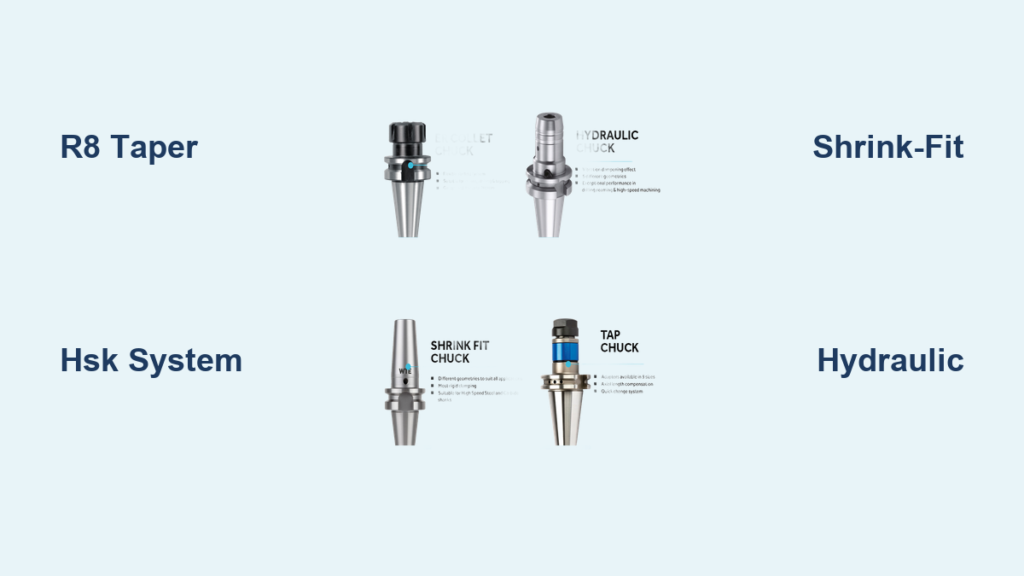
When your tolerance requirements drop below 0.0005″, standard collet chucks often can’t deliver. For these precision applications, three specialized tool holder types excel:
- Collet chucks (ER style) for general high-speed work up to 30,000 RPM
- Shrink-fit holders delivering under 0.0001″ runout for critical applications
- Hydraulic holders providing vibration damping for extended tool life
Each system offers different trade-offs between setup time, runout accuracy, and gripping force—choose based on your specific tolerance requirements.
Collet Chuck Systems Compared
ER Collet Chuck Versatility
The ER collet system remains the most versatile option for general machining. Its key advantages include:
- Safe operation up to 30,000 RPM (size-dependent limitations apply)
- Excellent concentricity under 0.0005″ with proper maintenance
- Single nut design simplifies balancing for high-speed work
- Wide availability of collet sizes from 1mm to 20mm
When using ER collets, always tighten to the manufacturer’s specified torque—over-tightening deforms the collet and actually increases runout. You’ll get the best results by using the smallest collet size that accommodates your tool shank.
TG/PG Heavy-Duty Performance
For heavy drilling applications where grip strength matters most, TG/PG collets deliver superior performance. Their unique nut design provides maximum clamping force while maintaining good concentricity—typically under 0.0008″. However, the nut geometry limits high-speed capability, making them best suited for applications under 8,000 RPM.
If you regularly drill deep holes in stainless steel or titanium, TG/PG collets will prevent tool slippage that ruins expensive drills. Just don’t try to run them at high speeds where their balance limitations become apparent.
Specialized Precision Holders
Hydraulic Toolholder Advantages
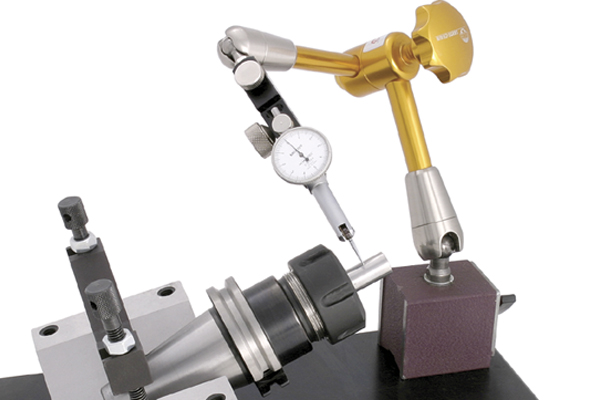
When every micron counts in your close-tolerance work, hydraulic toolholders deliver exceptional performance. Their liquid-based clamping mechanism provides:
- Vibration damping that extends carbide tool life by 20-30%
- Runout accuracy consistently under 0.0001″
- Simple operation requiring only moderate wrench force
- Excellent balance characteristics up to 20,000 RPM
The initial investment pays off quickly when running expensive indexable tools or micro-diameter cutters where tool breakage is costly. You’ll notice immediate improvements in surface finish and dimensional consistency.
Shrink-Fit Holder Performance
For ultimate rigidity in high-speed applications, shrink-fit holders are unmatched. Their zero-moving-parts design delivers:
- Perfect concentricity under 0.0001″ when properly maintained
- Thin nose profile for excellent clearance in tight spaces
- Unlimited speed capability—centrifugal force actually improves grip
- Maximum torque transmission for heavy milling operations
The main drawback is requiring a dedicated heat-shrink machine, but the performance gains justify the investment for production environments. Always follow proper heating and cooling procedures to maintain holder longevity.
Application-Specific Selection Guide
Matching Tool Holder Types to Your Work
Stop guessing which holder to use—follow this simple decision matrix:
- High-speed aluminum work: HSK or shrink-fit holders
- Heavy steel roughing: Hydraulic or end mill holders
- General purpose milling: ER collet chucks
- Precision drilling: Hydraulic holders with micro-adjustment
Remember that your spindle interface determines your starting point—don’t try to force a CAT40 holder into a BT40 spindle. Always verify compatibility before purchasing new tool holder types.
Maintenance Practices That Extend Holder Life
Daily Inspection Protocol
Protect your investment with these simple daily checks:
- Clean all taper surfaces with a lint-free cloth before installation
- Inspect for chips or damage on both holder and spindle tapers
- Verify retention knob torque to manufacturer specifications
- Check collets for wear—replace if they show visible scoring
A single piece of debris between taper surfaces can cause runout exceeding 0.002″—more than enough to ruin precision work. Make cleaning part of your standard tool change procedure.
Proper Storage Techniques
Store your precision tool holder types correctly to maintain accuracy:
- Keep holders in dedicated storage racks or cases
- Protect taper surfaces with protective caps
- Store collets lightly oiled in sealed containers
- Rotate stock regularly to prevent moisture buildup
Never stack holders directly on each other—this damages the critical taper surfaces. Investing in proper storage pays dividends in extended holder life and consistent performance.
Choosing the Right Tool Holder Type for Your Needs
Selecting appropriate tool holder types requires matching your specific machining challenges to holder capabilities. High-speed aluminum work demands different solutions than heavy steel roughing. Consider your spindle interface, required accuracy, cutting forces, and speed requirements before making a decision.
While ER collets serve most general purposes adequately, specialized applications benefit significantly from purpose-built holders like shrink-fit or hydraulic systems. Remember that the tool holder represents a small investment compared to scrapped parts or broken tools. Your surface finish, tool life, and overall productivity depend on this critical connection between machine and tool—choose wisely based on your most demanding application requirements.