
Nothing disrupts your bathroom routine like a wobbly or missing toilet paper holder. That daily scramble for accessible tissue turns a simple task into a frustrating ordeal. Installing a new holder takes just 30 minutes with basic tools, yet transforms your bathroom experience from chaotic to seamless. Whether you’re replacing a broken fixture or installing one for the first time, this guide delivers professional results without calling a plumber. You’ll learn exactly how to put a toilet paper holder on the wall securely—whether mounting into studs or drywall—with positioning secrets that prevent future headaches.
Most homeowners waste time guessing at placement or skip critical stability checks, leading to loose holders within months. The difference between a temporary fix and decade-long reliability comes down to precise measurements and choosing the right mounting method. By the end of this guide, you’ll know exactly where to position your holder for ergonomic comfort, how to anchor it securely in any wall type, and crucial troubleshooting steps when things go wrong. Let’s solve this daily annoyance permanently.
Gather Essential Tools Before Starting
Skipping proper preparation causes 70% of installation failures. Before touching your wall, verify you have every item ready:
Critical Tools Checklist:
– Electric drill with 1/4-inch and 1/8-inch drill bits
– Phillips head screwdriver (or drill bit adapter)
– Reliable stud finder (magnetic or electronic)
– 2-foot level (laser levels work but aren’t essential)
– Measuring tape with clear markings
– Pencil for precise markings
– Safety glasses (non-negotiable for eye protection)
Materials You Can’t Skip:
– Complete toilet paper holder kit (bracket, holder, screws)
– Wall anchors rated for 50+ lbs (plastic for standard drywall, metal for heavy holders)
– 1.5–2 inch mounting screws (kit usually includes these)
– Decorative screw covers (prevents corrosion and looks professional)
Pro Tip: Test your stud finder on a known stud location first. Cheap models often give false readings near electrical boxes, leading to disastrous “secure” mounts that pull right out of drywall.
Pinpoint Perfect Holder Placement in 3 Steps
Wrong positioning causes constant reaching or awkward elbow bumps. Follow these exact measurements for universal comfort:
-
Height Measurement: Measure 26 inches vertically from the floor to the center point of where the holder will sit. For comfort-height toilets (17-19 inches tall), increase this to 28-30 inches—this aligns with your natural arm position when seated.
-
Toilet Proximity Check: Position the holder 8-12 inches horizontally from the front edge of your toilet bowl. Less than 8 inches forces you to lean forward; more than 12 inches requires excessive stretching.
-
Lateral Positioning: Center the holder 10-12 inches forward from the toilet’s side edge. This creates optimal hand clearance without hitting your hip on the fixture.
Test Before You Drill: Sit on the toilet and reach naturally toward your marked spot. If you have to twist your torso or fully extend your arm, adjust the position now. This ergonomic check prevents daily frustration.
Locate Wall Studs or Plan Anchor Strategy
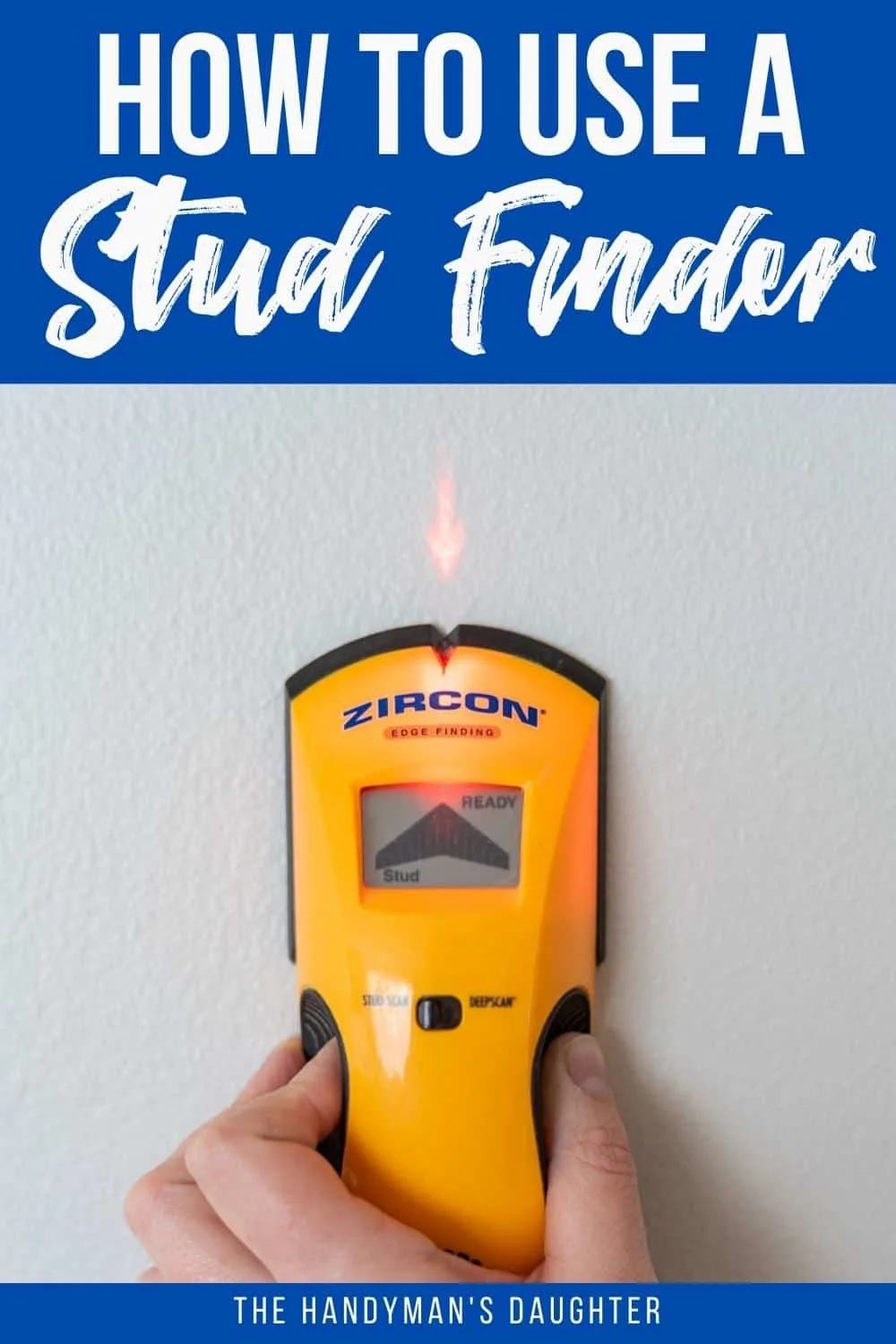
Mounting directly into studs is the ONLY way to guarantee lifelong stability. Here’s how to find them reliably:
-
Run your stud finder horizontally across the wall at your marked height. Mark both edges of each stud with pencil lines.
-
Verify findings by driving a 1-inch finish nail through the drywall at your mark. If you feel solid wood resistance (not hollow give), you’ve hit a stud. Warning: Avoid areas within 12 inches of electrical outlets—wires often run vertically through stud centers.
-
If no stud aligns with your ideal position (common in narrow bathroom walls), switch to heavy-duty anchors. Standard plastic anchors fail under constant holder stress—opt for toggle bolts rated for 75+ lbs minimum.
Why This Matters: A stud-mounted holder withstands years of aggressive paper-pulling. Drywall anchors work but require perfect installation—skip this step and your holder will sag within months.
Mark Mounting Points with Pro-Level Accuracy
Misaligned brackets cause crooked holders that ruin your bathroom aesthetic. Achieve perfect positioning:
-
Hold the mounting bracket firmly against the wall at your verified height and position. Rest a 2-foot level across the top edge—adjust until the bubble sits perfectly centered.
-
Mark only the screw holes through the bracket onto the wall with a sharp pencil. Use dots, not circles, for precision.
-
Measure the distance between marks twice. If your bracket has two screws, they should be exactly 2.5 inches apart (standard spacing). Mismeasurement here guarantees a wobbly install.
Critical Check: Place the level vertically against the bracket. If it’s even slightly askew, the holder will droop toward the lower side every time you grab tissue.
Drill Flawless Pilot Holes for Maximum Grip
Drilling technique determines whether your holder stays put for decades or fails in weeks:
For Stud Mounting:
– Use a 1/8-inch drill bit (smaller than your screw diameter)
– Drill straight in at 90 degrees to the wall for 1 inch depth
– Key Tip: Wrap tape around the bit at 1-inch depth—this prevents drilling too deep and weakening the stud
For Drywall Anchors:
– Drill 1/4-inch holes (match anchor specifications exactly)
– Depth = anchor length + 1/8 inch (allows anchors to seat flush)
– Hold the drill perfectly perpendicular—any angle creates weak spots
Safety Non-Negotiable: Always wear safety glasses. Drywall dust causes 20,000+ eye injuries yearly during DIY projects. Keep a damp cloth nearby to wipe dust from the hole before inserting anchors.
Secure the Bracket with Fail-Proof Tightening

Overtightening strips screw holes; undertightening causes immediate wobble. Master the perfect tension:
Stud Installation Process:
1. Align bracket holes with your pilot holes
2. Drive screws clockwise with moderate pressure—stop when the bracket sits flush against the wall
3. Give each screw one final 1/8-turn “snug” (no more)
4. Test stability by pulling downward with 10 lbs of force
Drywall Anchor Installation:
1. Tap plastic anchors gently with a hammer until flush with the wall
2. For toggle bolts: Insert through bracket, fold wings, push through hole, then tighten until snug
3. Drive screws into anchors until resistance increases slightly—stop immediately to avoid cracking drywall
Stability Test: Grab the bracket and pull straight down with firm pressure. Any movement means you must restart with larger anchors or relocate to a stud.
Attach the Holder Without Common Mistakes
90% of “loose holder” complaints stem from improper final assembly:
-
Slide the toilet paper holder onto the mounted bracket until it seats fully.
-
Locate the set screws (usually hidden on the underside or back of the holder tube).
-
Insert the provided Allen wrench and tighten just until resistance increases. Over-tightening bends the metal tube, causing binding.
-
Load a standard toilet paper roll and test rotation. The roll should spin freely with light finger pressure but not spin uncontrollably.
Pro Adjustment: If the roll binds, loosen set screws by 1/8-turn. If it spins too freely, tighten incrementally—never force beyond gentle resistance.
Fix These 3 Common Installation Failures Immediately
Stop a Wobbling Holder in 60 Seconds
- Remove the toilet paper roll and inspect set screws—they’re usually loose
- Tighten set screws in 1/16-turn increments while testing rotation
- If wobble persists, check wall anchors: Insert new toggle bolts through the existing holes (no extra drilling needed)
Correct Crooked Installations Without New Holes
- Loosen mounting screws by 1 full turn (don’t remove)
- Place level on the holder and gently nudge bracket into alignment
- Re-tighten screws while holding position—have a helper assist if possible
- Test with downward pressure before final tightening
Repair Stripped Drywall Holes Properly
- Remove bracket and clean debris from hole
- Insert a plastic anchor 1 size larger than original (e.g., switch from 1/4″ to 3/8″)
- Tap anchor in with hammer—do not reuse old anchor holes
- Re-mount bracket with 1/8-inch shorter screws to avoid bottoming out
Handle Special Wall Types Like a Pro
Tile Wall Installation Without Cracks
- Cover drilling spot with masking tape to prevent bit slippage
- Use carbide-tipped masonry bit (standard bits shatter tile)
- Drill at 200 RPM maximum with light, consistent pressure
- Insert plastic anchors designed for tile—they expand sideways without outward pressure
Pedestal Sink Clearance Solutions
- Maintain minimum 3-inch gap between holder and sink plumbing
- If space is tight, mount holder on the adjacent wall 6 inches from the toilet
- Test roll rotation with sink present—some holders require 1/2-inch left/right adjustment
ADA-Compliant Positioning for Universal Access
- Mount holder 19 inches minimum from toilet centerline
- Position within 36 inches of the rear wall for seated reach
- Ensure holder clears all obstructions when extended arm reaches forward
Prevent Future Problems with 2-Minute Maintenance
Skip these checks and your “permanent” install fails prematurely:
Monthly:
– Grab holder and pull downward firmly—any movement means immediate tightening
– Wipe metal surfaces with vinegar-dampened cloth to prevent mineral buildup
– Check set screws with Allen wrench (they loosen from paper-roll motion)
Yearly:
– Replace plastic anchors with metal versions if any wobble develops
– Apply clear nail polish to screw heads to prevent corrosion
– Re-measure height—holders gradually sink 1/8 inch yearly in drywall
Critical Reminder: Mark your calendar for quarterly stability checks. A loose holder damages drywall exponentially—the longer you wait, the more extensive the repair becomes.
Your perfectly installed toilet paper holder now delivers effortless access exactly where your hand naturally reaches. That daily moment of bathroom convenience you’ve been missing? It starts today. Remember these positioning rules and mounting techniques—they’re the difference between temporary fixes and decade-long reliability. The next time a friend struggles with a wobbly holder, you’ll know exactly how to put a toilet paper holder on the wall the right way. Take pride in this small upgrade; it’s the thoughtful details that transform a house into a home.


