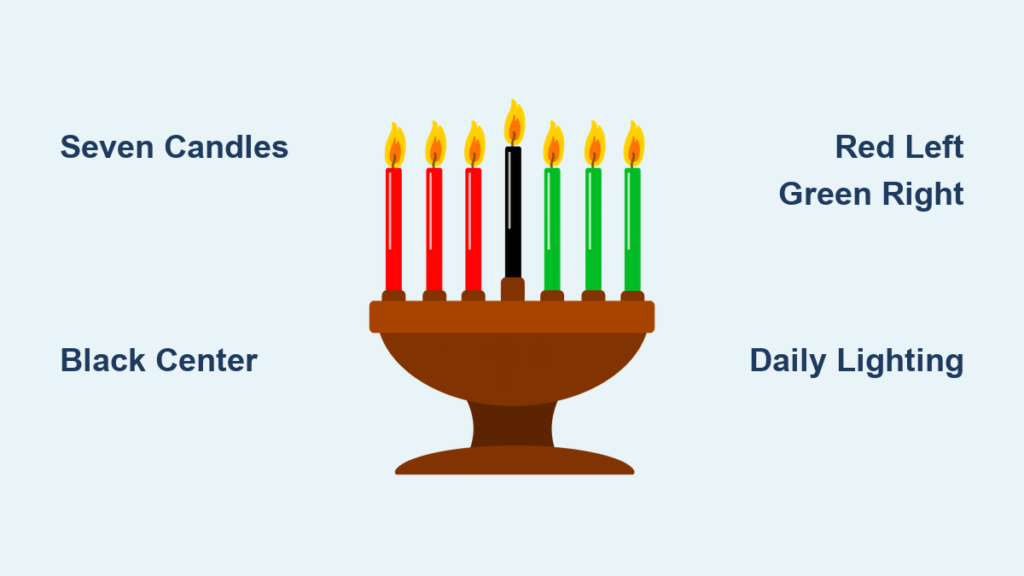
You’ve probably seen the striking seven-candle display during December celebrations but wondered: what is the Kwanzaa candle holder name? This essential Kwanzaa element has a specific name—kinara—that carries deep cultural significance beyond its functional purpose. Unlike generic candle holders, the kinara serves as the centerpiece of Kwanzaa celebrations from December 26 to January 1, representing African heritage through its distinctive design and daily lighting ritual.
Many people mistakenly call this fixture a menorah, creating confusion between Jewish and African American traditions. Understanding the proper Kwanzaa candle holder name prevents cultural appropriation while honoring the intentional symbolism behind Dr. Maulana Karenga’s 1966 creation of Kwanzaa. Whether you’re attending your first Kwanzaa celebration or incorporating this tradition into your family’s holiday routine, knowing the kinara’s true name and meaning transforms it from mere decoration to a powerful teaching tool that connects seven days of celebration to centuries of African heritage.
Why It’s Called a Kinara: Swahili Roots and Cultural Significance
Dr. Maulana Karenga deliberately chose Swahili terms for Kwanzaa elements to connect African Americans with pan-African linguistic traditions. The word kinara comes directly from Swahili, where it translates literally to “candle holder.” This linguistic choice wasn’t arbitrary—it created a cultural bridge to African heritage while establishing Kwanzaa as a distinctly African American celebration.
When you hear “kinara” pronounced (kee-NAH-rah), you’re speaking a word rooted in East African language that now represents a uniquely American cultural tradition. The term entered documented usage beginning in 1975, solidifying its place in African American cultural vocabulary. Understanding the Kwanzaa candle holder name helps preserve the tradition’s authenticity and prevents the common mistake of misidentifying it as a menorah.
First Kinara Creation Story
For the inaugural Kwanzaa celebration in 1966, Dr. Karenga faced a practical challenge—he couldn’t locate a seven-branched candle holder. In a resourceful improvisation, he modified a Hanukkah menorah by removing two branches to create space for seven candles. This modified menorah served as the first kinara, though it bore little resemblance to the purpose-built versions available today.
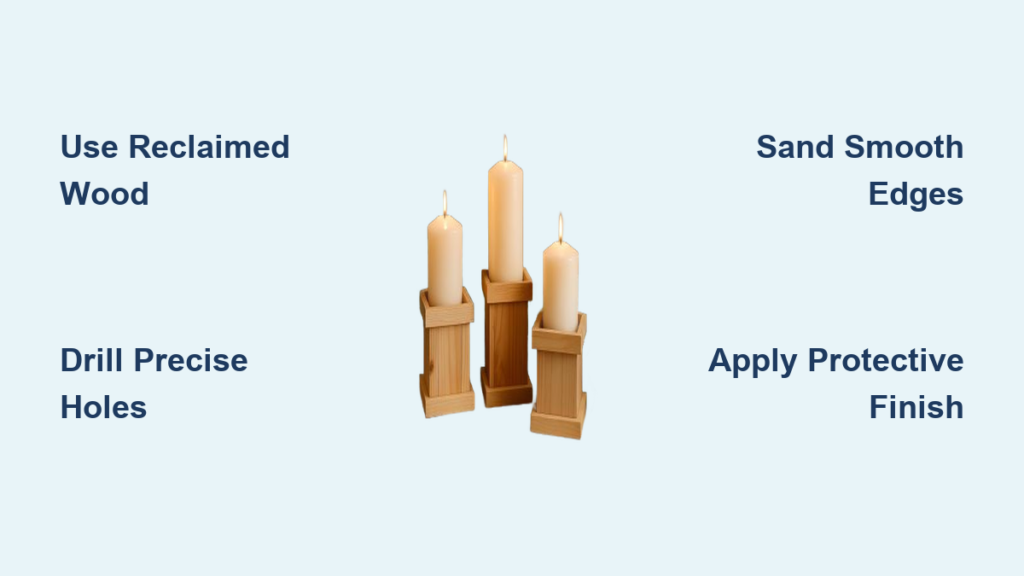
The following year, US Organization member Buddy Rose-Aminifu crafted the first authentic kinara—a simple wooden log with hand-drilled holes. Early photographic documentation reveals this humble beginning, establishing the kinara as a distinct cultural artifact separate from religious candle holders used in other traditions. This evolution from improvised solution to purpose-built symbol marks an important chapter in understanding the proper Kwanzaa candle holder name and its significance.
Kinara vs. Menorah: Clearing Up Critical Confusion

You’ve likely seen both seven-branched candle holders and wondered about the difference. The kinara and menorah serve entirely different cultural purposes, and confusing the Kwanzaa candle holder name with “menorah” erases important cultural distinctions. Understanding these differences demonstrates respect for both African American and Jewish traditions.
Side-by-Side Comparison
| Feature | Kinara | Menorah (Hanukkiah) |
|---|---|---|
| Branch Count | 7 (3 red, 3 green, 1 black) | 9 (8 days + shamash) |
| Usage Period | December 26 – January 1 only | 8 nights of Hanukkah |
| Cultural Purpose | African heritage celebration | Religious Hanukkah observance |
| Origin | Created 1966 by Dr. Karenga | Ancient Jewish tradition |
| Lighting Pattern | One new candle daily | One new candle nightly |
Why the Distinction Matters
The kinara emerged specifically as a cultural symbol for African Americans to celebrate their heritage, while the menorah dates back thousands of years as a religious artifact in Judaism. This fundamental difference shapes how each object is used, displayed, and respected within its community. Calling the Kwanzaa candle holder a menorah isn’t just inaccurate—it’s culturally insensitive and diminishes the intentional creation of Kwanzaa as a celebration of African American identity.
Kinara Design: The Meaning Behind Seven Candle Positions

Every aspect of the kinara’s design carries symbolic weight. Traditional kinaras feature seven candle positions arranged in a specific pattern that reflects the core principles of Kwanzaa. When you set up your kinara, the arrangement isn’t decorative—it’s deeply intentional.
Color Configuration Rules
- Three red candles: Positioned on the left side
- Three green candles: Positioned on the right side
- One black candle: Center placement, slightly elevated
This precise arrangement creates a visual narrative of African heritage. The black candle always represents African people worldwide, while the red candles symbolize the blood and struggle of African ancestors. The green candles represent hope and the prosperous future emerging from past struggles. Understanding this color code transforms your Kwanzaa candle holder from simple decoration to a powerful teaching tool.
Daily Lighting Protocol: How to Properly Light Your Kinara
Each evening during Kwanzaa, families gather to light the kinara following specific steps that connect them to the seven principles (Nguzo Saba). Getting the lighting sequence right matters—this ritual brings the kinara’s symbolism to life throughout the seven-day celebration.
Step-by-Step Lighting Process
- December 26: Light the center black candle (Umoja – Unity)
- December 27: Add the first red candle (Kujichagulia – Self-Determination)
- December 28: Light the first green candle (Ujima – Collective Work)
- December 29: Light second red candle (Ujamaa – Cooperative Economics)
- December 30: Light second green candle (Nia – Purpose)
- December 31: Light third red candle (Kuumba – Creativity)
- January 1: Light third green candle (Imani – Faith)
The black candle always burns first, representing African people as the source of all principles. Each additional candle corresponds to that day’s specific principle, creating a progressive illumination that builds throughout the week. This lighting pattern ensures your Kwanzaa candle holder becomes an active participant in your celebration rather than mere decoration.
Modern Kinara Styles: From Traditional to Pyramid Designs

Today’s market offers diverse kinara options ranging from traditional wooden designs to elaborate pyramid structures. Knowing what to look for helps you select an authentic Kwanzaa candle holder that honors the tradition while fitting your celebration style.
Popular Design Categories
Pyramid Design ($102.78, reduced from $120.00)
– Seven Symbols of Kwanzaa brand
– Engraved with all seven Kwanzaa symbols
– African-inspired pyramid structure
– Durable finish with secure candle slots
Classic Sets ($64.99 – $84.99)
– Traditional rectangular wooden designs
– Natural wood or painted finishes
– Essential seven-candle capacity
Celebration Sets ($69.99 – $89.99)
– Include matching unity cup
– Coordinated candle sets
– Decorative African patterns
What to Look for When Buying
When selecting your first kinara, check these authenticity markers:
– Seven branches: Non-negotiable requirement
– Proper color placement: Black center, red left, green right
– Quality construction: Stable base prevents tipping
– Appropriate size: Proportional to your display space
Avoid kinaras that mix up the color order or include eight or nine branches—these indicate poor understanding of Kwanzaa tradition. A properly designed kinara should make the Kwanzaa candle holder name more than just a label—it should embody the cultural significance behind the tradition.
Proper Kinara Care: Maintenance for Annual Celebrations
Your kinara deserves proper care to preserve both appearance and cultural significance for annual celebrations. Following these simple maintenance steps ensures your Kwanzaa candle holder remains in good condition year after year.
Cleaning Protocol
- Daily: Remove wax drippings while warm for easier cleaning
- Post-celebration: Wipe with soft, dry cloth only
- Stains: Avoid harsh chemicals that damage finishes
- Storage: Wrap in soft cloth, store in dry location
Preservation Tips
- Avoid moisture: Prevents wood warping and finish damage
- Limit sunlight: Prevents color fading on painted versions
- Candle selection: Use proper Kwanzaa taper candles for correct fit
Proper maintenance shows respect for the cultural significance behind the Kwanzaa candle holder name. A well-cared-for kinara becomes a family heirloom that connects generations through its enduring symbolism.
Your kinara serves as both functional candle holder and powerful cultural symbol, connecting seven days of celebration to centuries of African heritage. Whether choosing your first kinara or replacing a well-loved family heirloom, understanding the proper Kwanzaa candle holder name and meaning enriches your celebration while honoring the tradition’s authentic origins. Remember—the kinara isn’t merely decorative; it’s a teaching tool that brings the seven principles into daily conversation and practice throughout Kwanzaa week.