
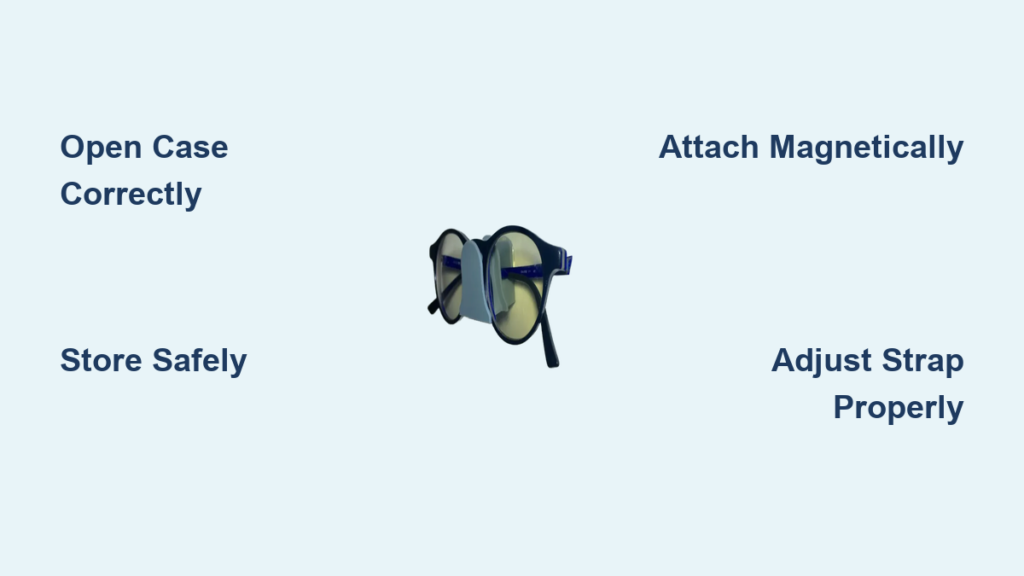
Your $300 prescription glasses deserve better than being tossed on the nightstand. Scratches, bent frames, and mysterious disappearances plague glasses that lack proper storage. Learning how to use eyeglass holder systems correctly isn’t just about organization—it’s about protecting your investment and ensuring your vision stays crystal clear.
Whether you’re switching between reading glasses and sunglasses or simply need a safe spot for your everyday pair, the right holder makes all the difference. This guide transforms you from a glasses-abuser into a storage expert, covering everything from magnetic clips to protective cases.
Hard Cases: Your Glasses’ Fortress
Open Cases Without Breaking Nails
Forget the frustrating claw-at-the-seam technique. Hold the case firmly in your non-dominant hand, placing your thumb dead-center on the front seam. With your dominant hand, lift straight up—no sideways wiggling needed. Magnetic closures pop open with gentle pressure; hinge cases should open to exactly 110 degrees. If you’re fighting the case, you’re doing it wrong.
Position Glasses Perfectly Every Time
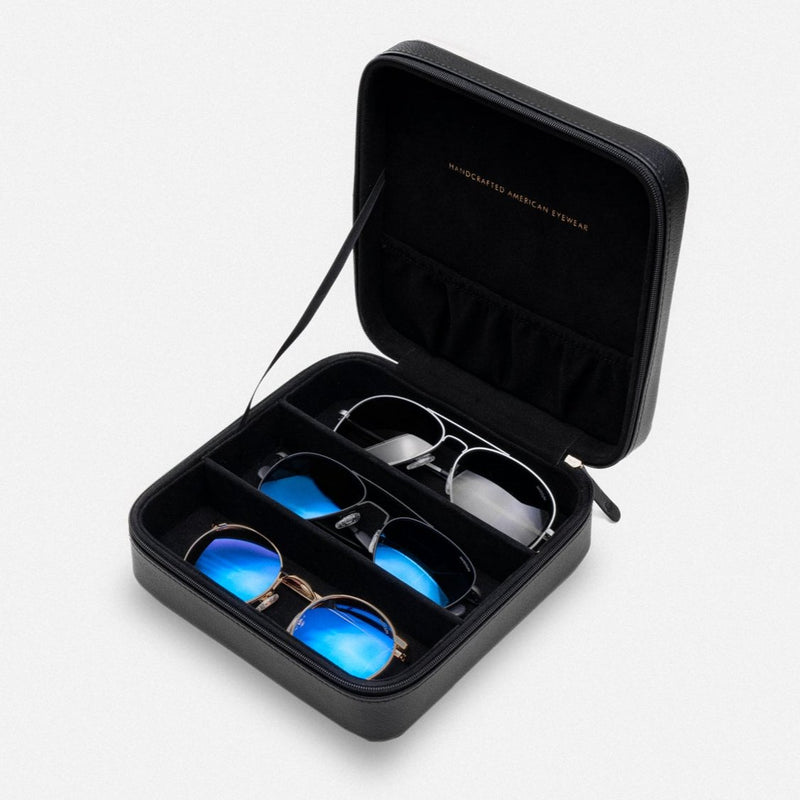
Place lenses face-down toward the soft lining—this prevents dust from settling on your prescription surface. Fold temples completely until they click parallel in the case grooves. Center the bridge over the support ridge; off-center placement creates pressure points that warp frames over time. Close the case and give it a gentle shake—silence means you’ve mastered placement.
Store Cases Like Temperature Matters
Because it does. Keep cases between 59-77°F to prevent frame warping. Avoid bathroom counters (humidity kills lens coatings) and sunny windowsills (UV radiation damages anti-reflective coatings). Store cases on shelves above floor level—nothing ruins your morning like finding your glasses case crushed underfoot.
Soft Pouches: Portable Protection
Master the Insertion Technique
Spread the pouch opening with both hands like you’re opening a gift bag. Insert folded temples first, then guide the bridge in. Lenses settle naturally—never force them. Pull drawstrings evenly from both sides, creating a 1-2 inch closure. Tie a double bow knot that releases with one pull but won’t loosen during movement.
Maintain Pouch Performance
Machine wash pouches weekly in cold water on gentle cycle. Air dry flat—dryers shrink fabric and loosen drawstrings. Use a fabric shaver monthly to remove interior pilling that can scratch lenses. Replace pouches when fabric thins or drawstrings fray; damaged pouches cause more harm than good.
Magnetic Holders: Instant Access

Attach Clothing Clips Correctly
Position the magnetic backplate inside shirt pockets, waistbands, or collar areas. Test the hold by gently tugging your glasses—if they slide, reposition. Standard magnets handle frames up to 50 grams; heavier frames need dual-magnet systems. Align magnets parallel for maximum holding force.
Position for Lifestyle Needs
Chest placement: Attach at sternum level for quick access during daily activities. Collar attachment: Position at the collar’s midpoint for following your neck’s natural curve. Vehicle mounting: Stick adhesive magnetic holders on sun visors, avoiding airbag zones. Never mount on dashboards—temperature extremes demagnetize holders over time.
Neck Straps: Hands-Free Security
Adjust Straps for Perfect Fit
Measure from ear-to-ear across your neck, adding 2 inches for comfort. Use adjustment sliders to create snug fit without constriction. Ensure both sides maintain equal length—uneven straps tilt your glasses and cause headaches. Practice quick-release mechanisms until muscle memory kicks in.
Attach Straps Without Damage
Thread straps through temple tips, creating loops 1 inch from ends. Verify strap width matches temple thickness (3-5mm standard). Slide silicone grips over temple ends before attaching straps—this prevents scratching and enhances security. Position attachment points to balance frame weight evenly across your neck.
Desktop Stands: Multi-Pair Organization

Set Up Stable Storage
Clean your designated surface with isopropyl alcohol—dust creates wobbling. Apply rubber pads to holder bases if not pre-installed. Position stands at seated eye level for grab-and-go accessibility. Test stability by pressing the base—any wobble means glasses will crash to their doom.
Organize Multiple Pairs Strategically
Store daily-use glasses in front positions. Maintain 2-inch spacing between pairs to prevent frame contact. Label stands with small adhesive tags identifying different prescriptions. Implement weekly rotation to ensure even usage—your backup pair shouldn’t become your “forgotten” pair.
Travel Storage That Actually Works
Fly Without Fear of Damage
Place hard cases in carry-on bags for TSA screening—checked luggage equals crushed glasses. Use magnetic holders on seat-back trays during flights. Keep glasses with you during flights; cargo holds reach temperature extremes that warp frames. Never store glasses in seat pockets—previous passengers’ crumbs scratch lenses.
Vehicle Integration Solutions
Install dashboard mounts outside airbag deployment zones. Use temperature-rated sun visor clips (rated -20°C to 80°C). Designate a foam-padded glove compartment section for emergency storage. Keep backup cases in center consoles for spontaneous trips.
Fix Common Holder Problems Fast
Restore Magnetic Strength
When glasses start sliding, test magnet strength with a paperclip. Replace holders when force drops below 0.5 kg holding capacity. Note that cold weather temporarily reduces magnetic strength—this isn’t permanent damage. Clean magnetic surfaces with adhesive tape to remove metal debris that weakens hold.
Repair Case Lid Issues
Hinges failing to stay open at 110 degrees need replacement. Weak magnetic closures requiring multiple attempts indicate demagnetization. Replace cases showing structural cracks or permanent deformation—compromised cases provide false security.
Safety Rules Everyone Ignores
Protect Against Physical Hazards
Keep small magnetic components away from children under 3—choking hazard. Use breakaway neck straps for children and elderly users to prevent strangulation. Exercise caution with spring-loaded mechanisms in clips—pinch points hurt. File down rough edges on metal holders immediately to prevent cuts.
Prevent Environmental Damage
Keep magnetic holders away from credit cards and electronic devices—interference kills both. Never leave holders in vehicles during extreme weather—temperature swings damage components. Avoid ammonia-based cleaners on fabric holders—they weaken fibers. Store holders away from direct sunlight to prevent UV degradation.
Master Your Glasses Storage System
Perfect eyeglass storage isn’t about buying the fanciest holder—it’s about consistent, correct usage. Your glasses spend more time in holders than on your face, making proper technique essential for prescription accuracy and frame longevity.
Start with one holder type that matches your lifestyle. Master its use before expanding your system. Track performance metrics: note any drops, damage, or accessibility issues over 30-day periods. Replace holders proactively—waiting for failure means risking your vision investment.
Remember: the best eyeglass holder is the one you’ll actually use every single day. Implementing these techniques ensures your glasses remain protected, accessible, and ready when you need them most. With proper usage, your eyeglass holder becomes an extension of your daily routine rather than an afterthought.


