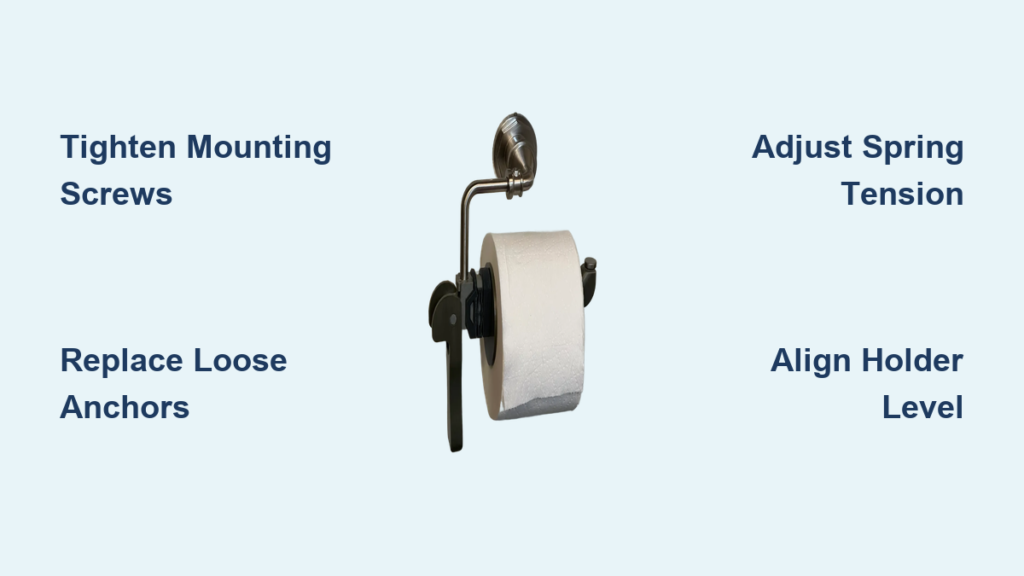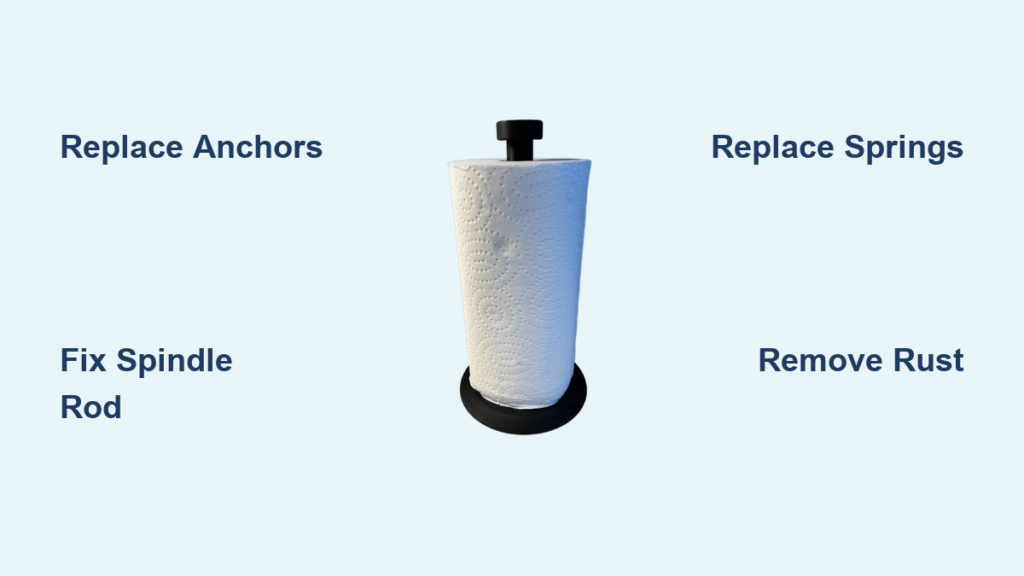
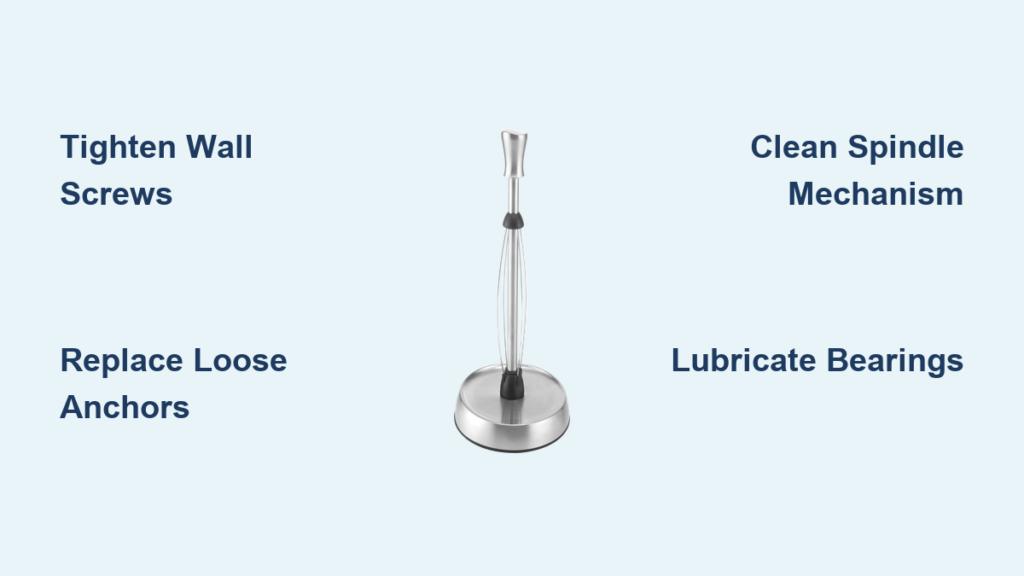
That moment when your paper towel holder starts wobbling or the rod won’t spin freely is more frustrating than it should be. One day you’re tearing off a sheet, and suddenly the whole roll clatters to the counter. Whether your Kamenstein holder has developed a sticky spindle, loose base, or broken spring mechanism, these common issues have surprisingly simple solutions that’ll save you from buying a replacement.
Most Kamenstein paper towel holder problems stem from three areas: the mounting system, the spinning mechanism, or the tension spring. The good news? These repairs typically take under 15 minutes and require only household tools. Let’s walk through exactly what to look for and how to fix each issue step-by-step.
Identify Your Holder Model

Before grabbing tools, determine which Kamenstein design you’re working with. Wall-mounted models feature a bracket system with visible screws, while countertop versions have weighted bases or suction cups. Freestanding holders use either a spring-loaded center post or gravity-fed spindle. Knowing your specific model prevents wasted effort on incompatible repair methods.
Check Model Number Location
Look underneath the base or inside the mounting bracket for a small white sticker. Common models include the Kamenstein 3800 series (wall-mount), 4500 series (countertop weighted), and 7200 series (freestanding). This number determines which replacement parts you’ll need. If you can’t find a model number, take clear photos of your holder from multiple angles before visiting hardware stores—staff can often identify compatible parts visually.
Visual Problem Clues
A holder that tilts sideways usually indicates loose wall anchors. If the roll won’t spin smoothly, debris has likely built up in the spindle mechanism. Sudden drops during use point to worn spring tension or cracked plastic components. Pay attention to when the problem occurs—does it happen only with full rolls, or does it worsen after kitchen humidity increases? These details help pinpoint the exact failure point.
Common Failure Points
Kamenstein holders fail in predictable patterns based on their design. Wall-mounted units suffer from anchor loosening over time, especially in humid kitchens. Countertop models develop wobbles when weighted bases crack or rubber feet deteriorate. Freestanding holders face spindle wear and spring fatigue from daily use. Recognizing these patterns helps you diagnose issues faster.
Wall Mount Issues
The most frequent problem involves drywall anchors pulling loose from repeated towel tearing force. This creates a wobbly mount that eventually tilts downward. Screws may also strip the plastic wall bracket, causing the entire holder to sag. Warning: If you notice cracks spreading in your drywall around the mounting area, stop using the holder immediately to prevent further damage.
Countertop Problems
Weighted bases crack when dropped or exposed to temperature extremes. The rubber grip ring underneath can harden and lose its non-slip properties. Center posts may bend if excessive force is applied when changing rolls. You’ll notice these issues when the holder slides across your countertop during normal use, creating both inconvenience and potential safety hazards.
Quick Visual Inspection Steps
Start every repair with a systematic check to pinpoint the exact issue. This prevents unnecessary disassembly and ensures you have the right tools ready before you begin your Kamenstein paper towel holder repair.
Test Mount Stability
Gently pull the holder away from the wall or lift the countertop base. Any movement indicates loose hardware. For wall mounts, check if the entire bracket shifts or just the holder wiggles on the bracket. If the bracket moves independently from the wall, your anchors have failed. If only the holder moves on the bracket, you likely need to tighten connection points rather than replace anchors.
Spin the Spindle
Rotate the paper towel rod by hand. It should turn smoothly with slight resistance. Grinding sounds or stickiness suggest debris buildup. Complete immobility might indicate a bent spindle or seized bearing. Pay attention to where the resistance occurs—consistent resistance throughout rotation points to lubrication issues, while intermittent sticking often means debris caught in specific spots.
Required Repair Tools
Gather these basic tools before starting any repair. Most households already have everything needed for standard Kamenstein paper towel holder repair jobs.
Essential Toolkit
- Phillips head screwdriver (most common)
- Flathead screwdriver (for prying covers)
- Pliers (needle-nose work best)
- Small hammer (for anchor adjustments)
- Level (for wall mount repositioning)
You’ll complete 90% of repairs with this basic set. Keep these tools organized in a dedicated container so they’re ready when your holder starts acting up.
Fix Loose Wall Mount

A shaky wall mount ruins the entire holder’s functionality. This repair takes 10 minutes and prevents future drywall damage. Don’t ignore this problem—continued stress can create large holes that require professional patching.
Tighten Existing Anchors
Remove the holder from the wall bracket by lifting it straight up. Check if the bracket screws have loosened. Tighten clockwise with a screwdriver until snug, but avoid over-tightening plastic anchors. Apply gentle pressure while tightening—you should feel resistance increasing steadily. If the screw suddenly becomes loose again after tightening, the anchor has failed and needs replacement.
Replace Failed Anchors
If anchors spin freely in the drywall, they need replacement. Remove old anchors by pulling straight out or pushing through the wall. Install new plastic anchors rated for 10+ pounds, ensuring they sit flush with the wall surface. Pro tip: For heavy-duty mounting, use toggle bolts instead of standard plastic anchors—they distribute weight across a wider area of drywall.
Repair Countertop Base Wobble

Countertop holders develop wobbles when their weighted bases crack or rubber feet deteriorate. This 5-minute fix restores stability and prevents your holder from sliding across the counter during use.
Tighten Base Screws
Turn the holder upside down and locate the screws securing the weighted base. Tighten any loose screws clockwise. Check for cracked plastic around screw holes—this requires epoxy repair. If screws won’t tighten because the threads are stripped, apply a small drop of thread-locking compound before reinserting.
Replace Rubber Feet
Peel off worn rubber feet and clean the adhesive residue with rubbing alcohol. Apply new adhesive-backed rubber pads, ensuring even placement for balanced support. Heavy-duty furniture pads work as substitutes. For a temporary fix, double-sided tape with strong adhesive properties can hold until proper replacements arrive.
Clean Sticky Spindle Mechanism
When the paper towel rod won’t spin freely, debris buildup is usually the culprit. This cleaning process takes just 3 minutes and dramatically improves functionality.
Disassemble Spindle
Remove the roll and lift the spindle straight up. Most models have a top cap that pops off to reveal the bearing mechanism. Note the assembly order for reinstallation—take a photo with your phone if you’re unsure. Some models require twisting the cap counterclockwise rather than pulling straight up.
Remove Built-up Debris
Use a toothpick or compressed air to clear lint and grease from the bearing surfaces. Pay special attention to the small ball bearings in rotating models. Wipe with a damp cloth, then dry completely. For stubborn buildup, dip a cotton swab in rubbing alcohol—it evaporates quickly without leaving residue.
Lubricate Moving Parts
Apply one drop of silicone lubricant to the bearing surfaces. Avoid petroleum-based products that attract more debris. Spin the mechanism several times to distribute lubricant evenly. Important: Never use WD-40—it’s not a true lubricant and will gum up your mechanism faster than leaving it dry.
Replace Worn Spring Mechanism
Spring-loaded holders lose tension over time, causing rolls to slide down. Replacing the spring restores proper function and prevents wasted paper from uncontrolled unwinding.
Access Spring Housing
Remove the top decorative cap by twisting counterclockwise or prying gently with a flathead screwdriver. The spring assembly sits directly beneath, typically held by a small retaining clip. If the cap won’t budge, wrap a rubber band around it for better grip before twisting.
Install New Spring
Insert the replacement spring with the tight-coil end facing down. Reinstall the retaining clip, ensuring it seats fully in its groove. Test tension by pressing down—the spring should return smoothly without binding. If tension feels too weak, you may need a spring with thicker wire gauge; too strong, and you’ll struggle to insert paper towel rolls.
Prevent Future Issues
Simple maintenance habits dramatically extend your holder’s lifespan and prevent common failures. A few minutes of preventative care saves you from emergency repairs when you need paper towels most.
Monthly Maintenance
Wipe the spindle monthly with a damp cloth to prevent grease and dust buildup. Check wall mount screws for tightness, especially in humid environments. Inspect rubber feet for hardening or wear—replace them at the first sign of deterioration. This routine maintenance takes less time than troubleshooting a complete failure.
Proper Use Techniques
Always tear paper towels with a downward motion, never sideways, to reduce stress on the mounting system. Avoid over-tightening when installing new rolls. Support the holder base when changing rolls on countertop models. Teaching everyone in your household these techniques prevents unnecessary wear and tear.
Environmental Considerations
Keep holders away from direct steam sources like stovetops or dishwashers. In coastal areas, wipe metal components monthly to prevent salt-air corrosion. Store spare springs and hardware in a labeled bag for quick future repairs. These small adjustments to your environment significantly extend your Kamenstein paper towel holder’s service life.
Your Kamenstein paper towel holder should now function like new. These repairs not only save money but also reduce waste by extending product life. Keep this guide handy—most holders need similar attention every 2-3 years, making these skills valuable for future maintenance. By addressing issues promptly and performing regular checks, you’ll avoid the frustration of a malfunctioning holder when you need it most. Whether you’re fixing a wobbly mount or restoring smooth spindle rotation, these targeted solutions get your kitchen back to normal with minimal effort.