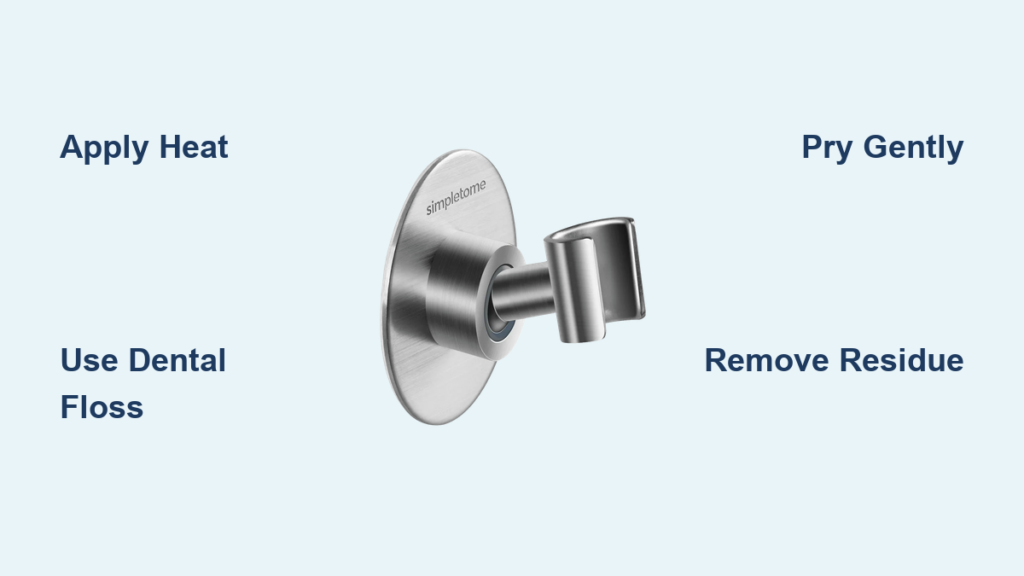
That stubborn shower holder you installed years ago has overstayed its welcome, but removing it feels like a potential disaster waiting to happen. You’re staring at that plastic mount fused to your bathroom wall with what feels like industrial-strength adhesive, dreading the paint chips or tile cracks that might follow your removal attempt. The truth is, most adhesive shower holders can be removed cleanly with the right approach—no professional help required. This guide reveals the exact techniques that work on tile, painted walls, and even delicate wallpaper, saving you from costly repairs and bathroom renovation nightmares. You’ll learn why heat is your secret weapon, how everyday dental floss becomes your precision removal tool, and when it’s smarter to call in a professional.
Separate Holder from Mounting Base Before Attacking Adhesive
Most adhesive shower holders use a two-part design where the visible holder detaches from its mounting plate—this critical first step often gets overlooked. Grab the shower caddy firmly and try sliding it upward, downward, or sideways; different brands use different release mechanisms. If you feel even slight movement, you’ve hit the jackpot. Once separated, you’ll work with just the flat adhesive plate rather than the bulky holder, dramatically reducing leverage that could damage your wall. This simple step cuts your removal time in half and prevents unnecessary stress on the adhesive bond. If your holder doesn’t separate easily, don’t force it—proceed to heat application with the entire unit still intact.
How to Identify Your Holder’s Release Mechanism
Different manufacturers use distinct release systems: Kohler models typically slide downward, Moen units often lift upward, and generic brands usually require sideways movement. Gently wiggle the holder in all directions while applying moderate pressure—most will release with less force than you’d expect. If you hear a clicking sound during movement, that’s your cue to continue in that direction until the holder disengages completely.
Apply Controlled Heat to Soften Adhesive Without Surface Damage
Heat application makes or breaks your removal attempt—too little and the adhesive stays stubbornly bonded, too much and you’ll melt plastic or blister paint. Set your hair dryer to medium heat (never high) and maintain a 3-4 inch distance from the mounting plate. Move in slow circles for 2-3 minutes while periodically testing the plate’s temperature with your finger—it should feel warm but not uncomfortable to touch. This precise heat level softens the adhesive without risking surface damage. Skip this step and you’ll inevitably face paint peeling or tile cracking during removal.
Testing Adhesive Softness Correctly
After heating, gently press against one edge of the mounting plate with your thumbnail. If the adhesive yields slightly under pressure, you’ve achieved the perfect softening point. If the plate remains rigid, apply another minute of heat. Rushing this stage causes 90% of removal failures—patience here prevents hours of repair work later. For larger mounts, focus heat on one quadrant at a time rather than the entire plate to maintain consistent softening.
Cut Through Adhesive with Dental Floss Like a Pro
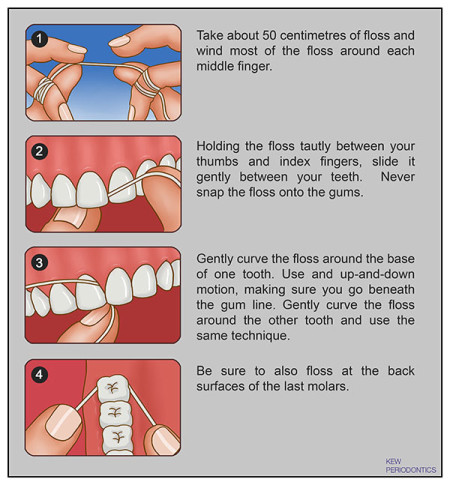
Standard dental floss transforms into your most effective removal tool when working with stubborn adhesive. Take a 12-inch piece and thread one end behind the mounting plate at a corner—use tweezers if needed for initial insertion. Employ a gentle sawing motion (back and forth, not up and down) while keeping the floss flush against your wall surface. This technique slices through the softened adhesive without gouging your tile or paint. Work methodically around the entire perimeter, replacing floss as it becomes coated with adhesive residue. This method works exceptionally well on smooth surfaces where traditional scrapers would slip.
Alternative Cutting Tools for Different Surfaces
- Thick adhesive layers: Use fishing line for extra strength when dealing with heavy-duty mounting systems
- Curved surfaces: Wrap guitar string around your fingers for better tension control on rounded mounts
- Large surface areas: Employ the edge of a plastic putty knife for wider adhesive contact points
- Delicate surfaces: Try thin sewing thread for wallpaper or freshly painted walls requiring minimal pressure
Gently Pry and Lift Mounting Plate Without Wall Damage
Once you’ve cut through most of the adhesive perimeter, carefully insert a thin plastic scraper under one edge of the mounting plate. Apply gradual upward pressure while continuing to heat stubborn spots—never use metal tools that can scratch surfaces. On tile, the plate should lift cleanly within 30-60 seconds of proper heating. Painted walls require more caution: expect resistance as paint adhesion sometimes exceeds the adhesive bond strength. Work in small sections, reheating as you progress around the plate’s edge.
Warning Signs That Require Immediate Stoppage
- Paint bubbling or peeling at the edges (indicates bond failure between paint layers)
- Wallboard paper tearing (visible fibers separating from drywall)
- Mounting plate cracking (means you’re applying too much force)
- Unusual popping sounds (suggests underlying wall damage)
Remove Residual Adhesive Based on Your Surface Type

You’ll almost always encounter sticky residue after removing the mounting plate—this is normal and manageable with surface-specific techniques. The right approach depends entirely on your bathroom wall material, so identify your surface before proceeding.
Tile Surface Cleanup Protocol
Spray adhesive remover directly onto the residue, wait exactly 2-3 minutes (longer risks grout damage), then wipe with a microfiber cloth using circular motions. Rinse thoroughly with water to eliminate chemical residue that could discolor grout over time. For stubborn spots, use an old toothbrush with gentle scrubbing motions—never metal brushes that can scratch tile glaze.
Painted Wall Residue Removal
Apply adhesive remover to a cloth first, never directly on painted surfaces. Dab gently while testing in an inconspicuous area first—some removers react poorly with certain paint finishes. Work in small sections with minimal pressure, replacing the cloth as it becomes saturated with adhesive. Expect to touch up paint afterward, especially with older paint jobs where the adhesive bond exceeded paint adhesion.
Handle Built-In Peel Tabs for Hassle-Free Removal
Many modern adhesive mounts include hidden peel tabs designed specifically for easier removal. Check the mounting plate edges for a small plastic flap—often colored differently than the main plate. Heat the area thoroughly for 2 minutes, then grip the tab firmly and pull slowly at a 45-degree angle away from the wall. These tabs provide controlled removal without tools, but only work effectively after proper heat application. Never yank the tab vertically—this concentrates force and increases damage risk.
Prevent Paint Damage on Drywall During Removal
Painted drywall presents the highest removal risk since adhesive often bonds more strongly to paint than paint does to wallboard. Minimize damage by maintaining consistent heat throughout the process and working in small sections. Keep removal tools completely flat against the wall surface to distribute pressure evenly. Have matching paint ready before starting—most removals require at least minor touch-ups. For valuable or historically significant paint finishes, consider professional assistance to avoid costly restoration.
Clean and Restore Wall Surface After Adhesive Removal
Complete your project with proper surface restoration to avoid visible scars from your former shower holder. Wash tile surfaces with mild soap and water to remove any adhesive remover residue that could discolor grout over time. For painted walls, lightly sand any rough spots with 220-grit sandpaper before applying touch-up paint in thin, even coats. Allow paint to cure for 48 hours before installing new hardware to prevent re-adhesion issues. Inspect your work under multiple lighting angles to catch any missed residue or imperfections.
Critical Surface Inspection Checklist
- No visible adhesive residue remains (run your palm over the area)
- Surface texture matches surrounding wall (no noticeable bumps)
- Paint color blends seamlessly (view in both natural and artificial light)
- Area is completely dry before new installation (prevents mold growth)
When to Call Professional Removal Services Immediately
Certain situations demand professional intervention to avoid catastrophic damage. Wallpaper installations should almost always involve professionals—patching damaged wallpaper is nearly impossible due to pattern matching issues. High-value surfaces like antique tile, custom murals, or stone installations warrant expert handling. If you’ve already attempted removal and caused damage, stop immediately—further DIY attempts will only expand the problem area. Large mounts (over 6 inches) on painted surfaces also typically require professional tools and experience for clean removal.
Removing a sticky shower holder doesn’t have to become a bathroom renovation project. By applying controlled heat to soften the adhesive, using dental floss as your precision cutting tool, and working patiently around the mounting plate, you can remove most adhesive mounts with minimal surface impact. Remember the golden rule: heat softens, floss cuts, and gentle pressure lifts. For painted walls, always have touch-up paint ready, and never hesitate to call a professional when dealing with wallpaper or valuable surfaces. The few extra minutes spent heating properly and working methodically will save you hours of repair work and hundreds of dollars in restoration costs—your walls will thank you for taking the careful approach rather than the quick-and-dirty yank method.